


| Quantity: | |
|---|---|
metal
TOYOE
Most warehouses carry three kinds of storage demand at once: hand-picked parts that weigh a few kilograms, cartons that move by the layer, and heavy stock that only a pallet truck should touch. Buying a different system for each fragments the warehouse into incompatible parts and habits. A boltless shelving range built on one hole pitch solves this: the same posts and shelf format scale from light to heavy duty without changing how the warehouse works.
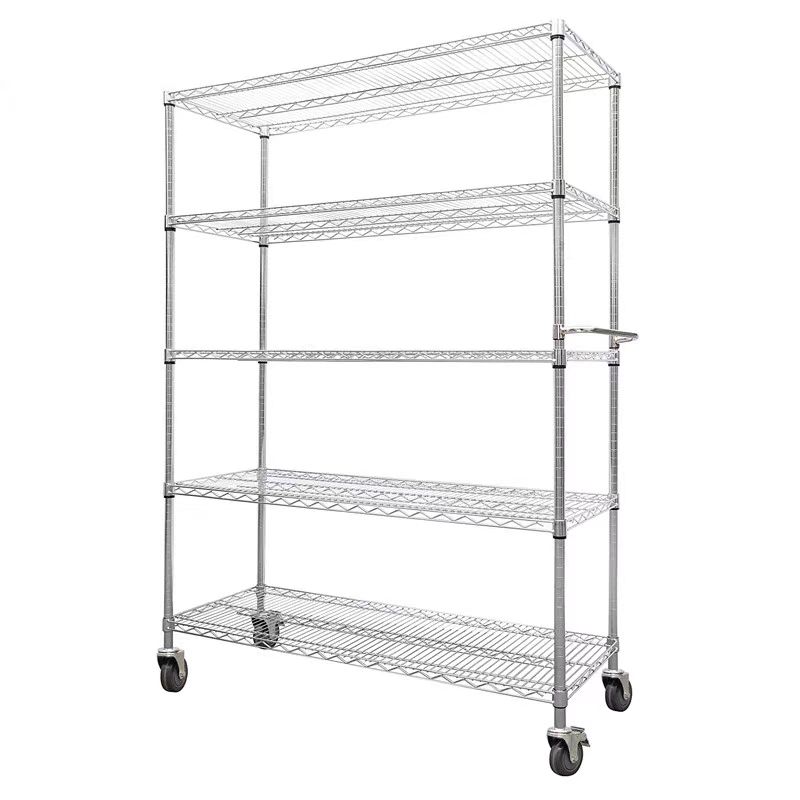
The pitch is the platform. Posts carry a standard hole spacing along their full height, and shelves tap into position without screws or special tools, so a level moves in seconds when the stock profile changes. Because every frame in the range shares the pitch, a shelf from a light bay fits a heavy bay, and spare parts stay common across the whole installation instead of per system.
Duty classes are selected by load, not by guesswork. Light duty shelves carry 100 to 300 kg per layer where operators pick by hand, medium duty holds 300 to 800 kg for carton and tote flows, and heavy duty bays rated to 5000 kg per layer take palletised stock. Posts keep the same footprint across classes; gauges and bracing change with the rating, so duty can mix on one aisle without redesign.
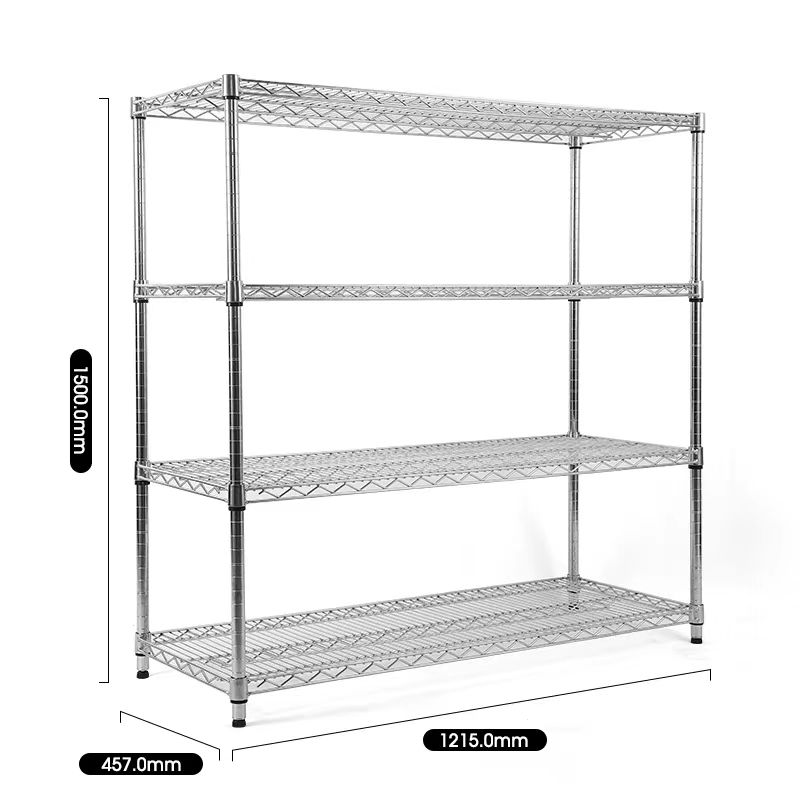
Layer pitch is planned, not adjusted ad hoc. Levels are set to the tallest item plus clearance, so space is not wasted on gaps. Fast moving goods take levels between knee and shoulder height, slow movers go high or low, and pitch can be re-set without unloading the bay.
Capacity discipline keeps the system honest. Each shelf carries its rated load on a label, heavy stock sits at the bottom of a bay where deflection matters least, and any change in the stored mix triggers a capacity review before the first new pallet goes up. A shelf that states its limit prevents the slow overload that bends levels out of true.
The finish protects the investment. Steel posts and shelves are treated with electrophoresis followed by powder coating, a combination that resists rust through cleaning cycles and damp corners, in standard blue and orange or any RAL colour. Colour can mark duty class or zone, so an operator reads the bay before reading a label.
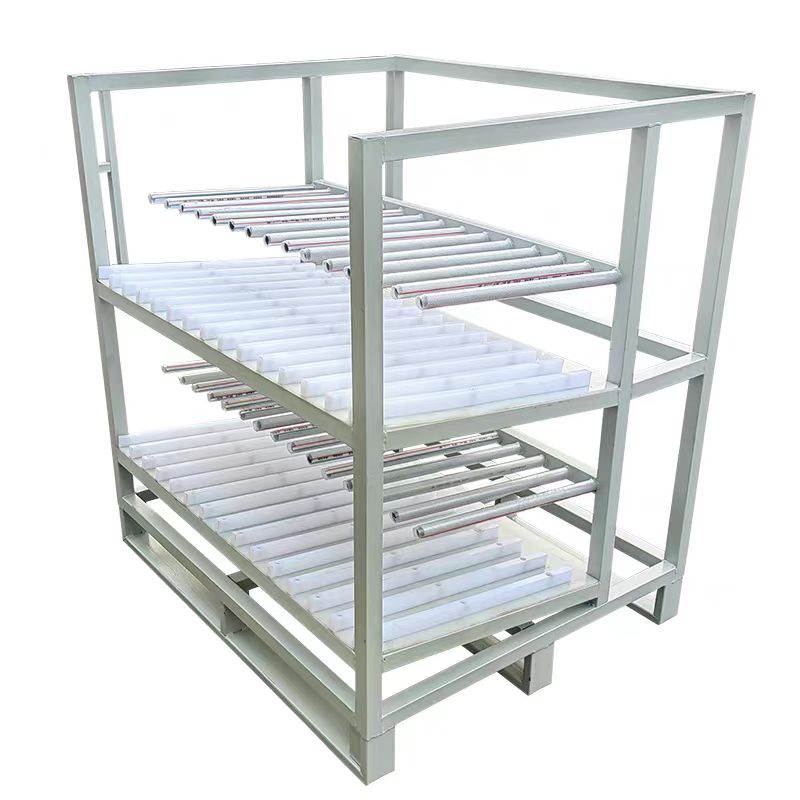
Each batch is checked before it reaches the site. Posts and shelves are sampled for steel gauge and hole pitch, completed bays are load tested at their class rating, and coating is inspected at edges and holes where protection is thinnest. The result is one shelving language across the warehouse: the same pitch, the same assembly habit and the same spare parts, from the lightest shelf to the heaviest bay.


