


| Quantity: | |
|---|---|
Plastic
TOYOE
Some of the most expensive failures in precision manufacturing never show on the surface. A static discharge too small to feel can degrade a sensor, a control board or a servo drive, and the component ships looking perfect and fails weeks later in the field. An anti-static storage crate exists to close that gap: it turns transport and storage into a controlled ESD zone instead of a lottery.
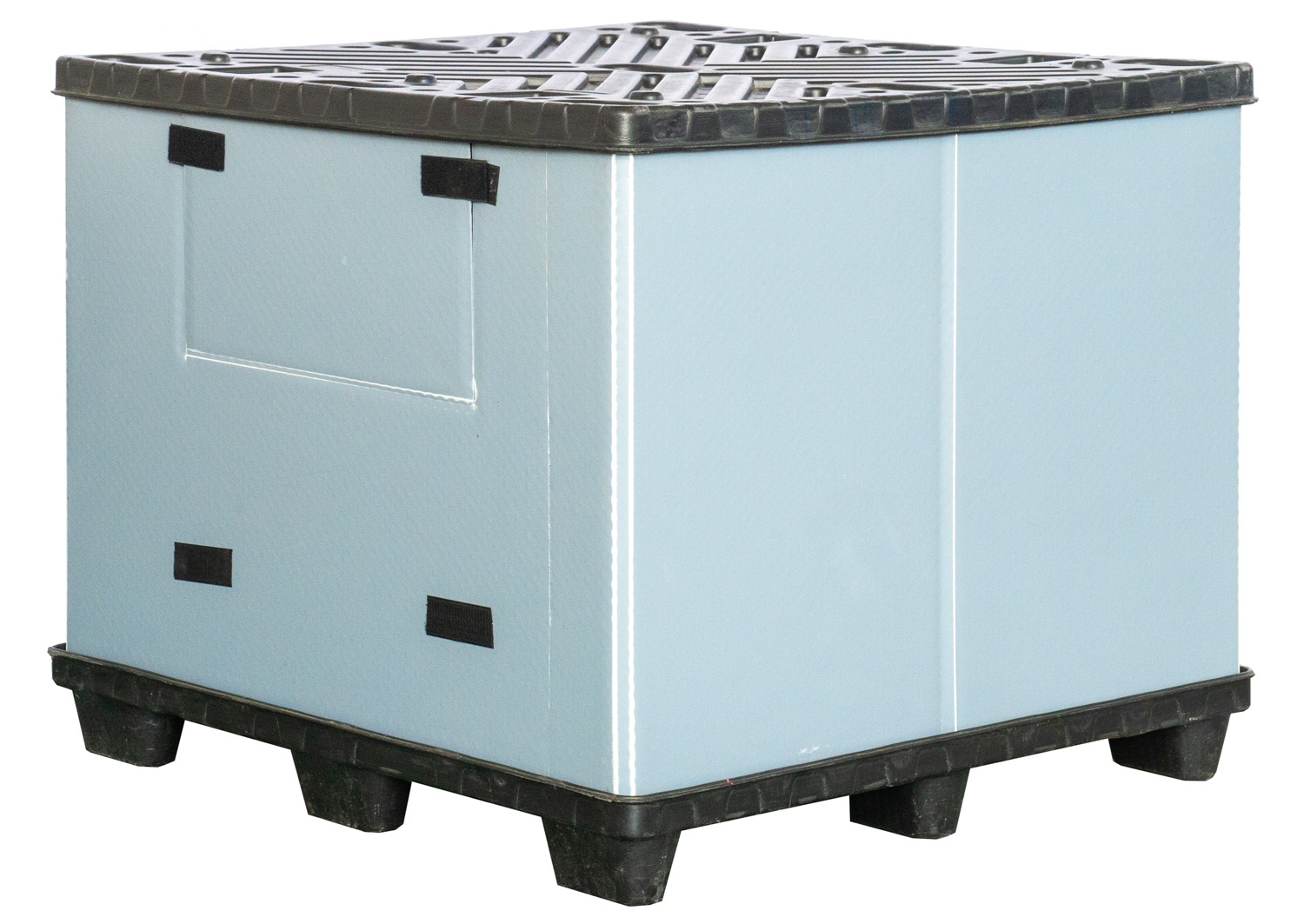
The protection starts in the material. The crate walls and lid are moulded from compounds whose surface resistance sits in the dissipative range, high enough to avoid hard shorts to ground and low enough to bleed charge away before it accumulates. Because the property is in the compound itself, it does not wear off the way topical anti-static sprays do, and it stays effective after cleaning. Ratings are specified per project against the sensitivity class of the parts being carried.
A safe zone only works if the whole path holds. Crate, liner and lid form one continuous conductive envelope, and resistance is checked across the joints rather than measured on a single flat panel. Handling points include a marked grounding position, so a crate entering or leaving the area is connected before it opens, and the sequence becomes habit at the dock instead of a rule on a poster.
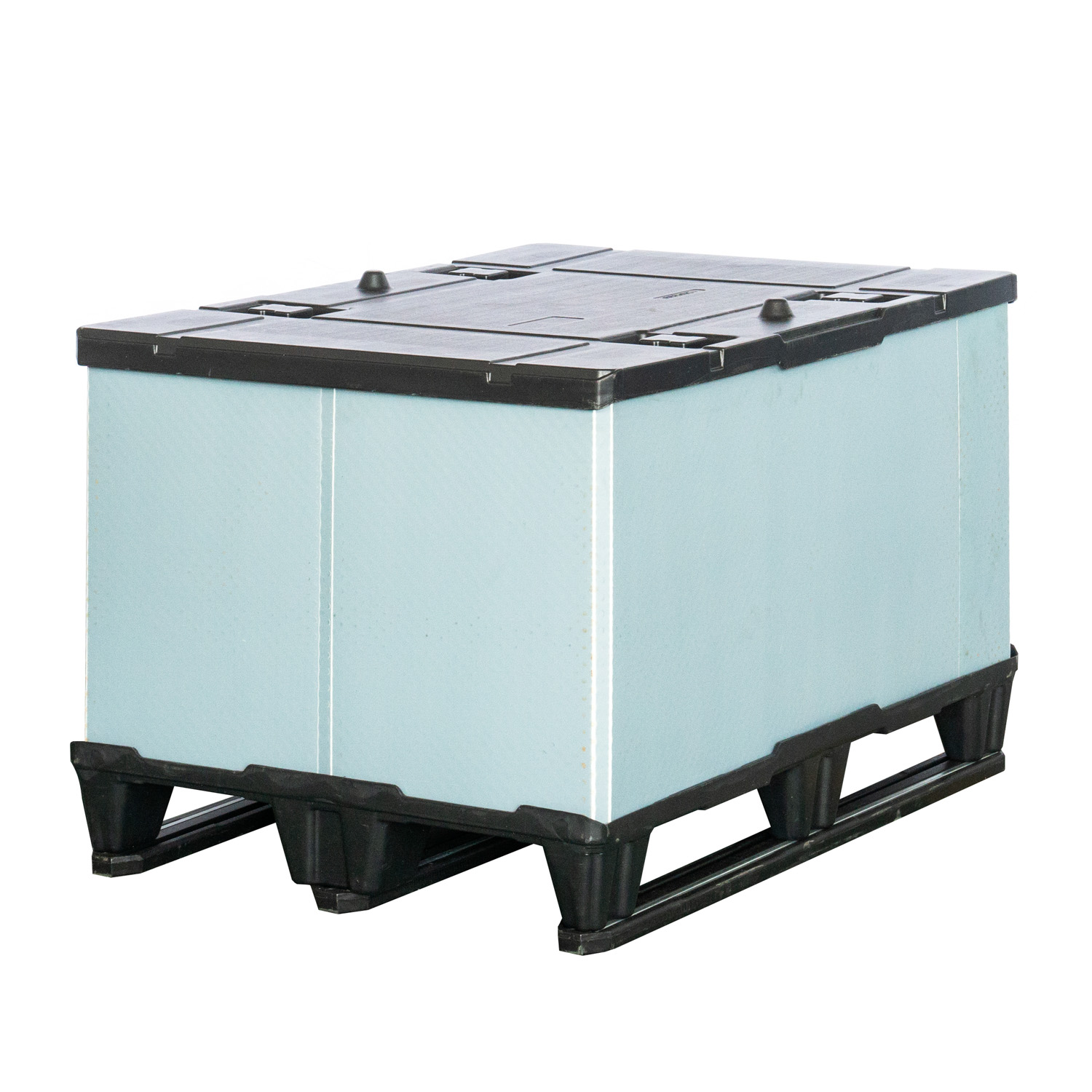
Performance is independent of humidity, which matters most in the season when risk peaks. Dry winter air turns ordinary packaging into a charge generator, while dissipative compounds keep their ratings in heated, low humidity storage. The crate does not rely on the air being humid to work, so the protection plan does not change between January and July.
Around the ESD core, the crate is built for precision parts. Custom liners locate components so they cannot shift against each other, the lid seals against dust that would contaminate optics or assemblies, and the design stacks so that filled crates protect the parts below rather than crushing them. Rounded edges protect both the parts and the people carrying them.
Process fit is part of the design. Flat marking fields take labels and part numbers that survive handling, colour options separate ESD-safe flows from ordinary packaging at a glance, and surfaces wipe clean for shared tooling or returned crates. A crate that carries its own identification is easier to audit than one whose label lives only in a spreadsheet.
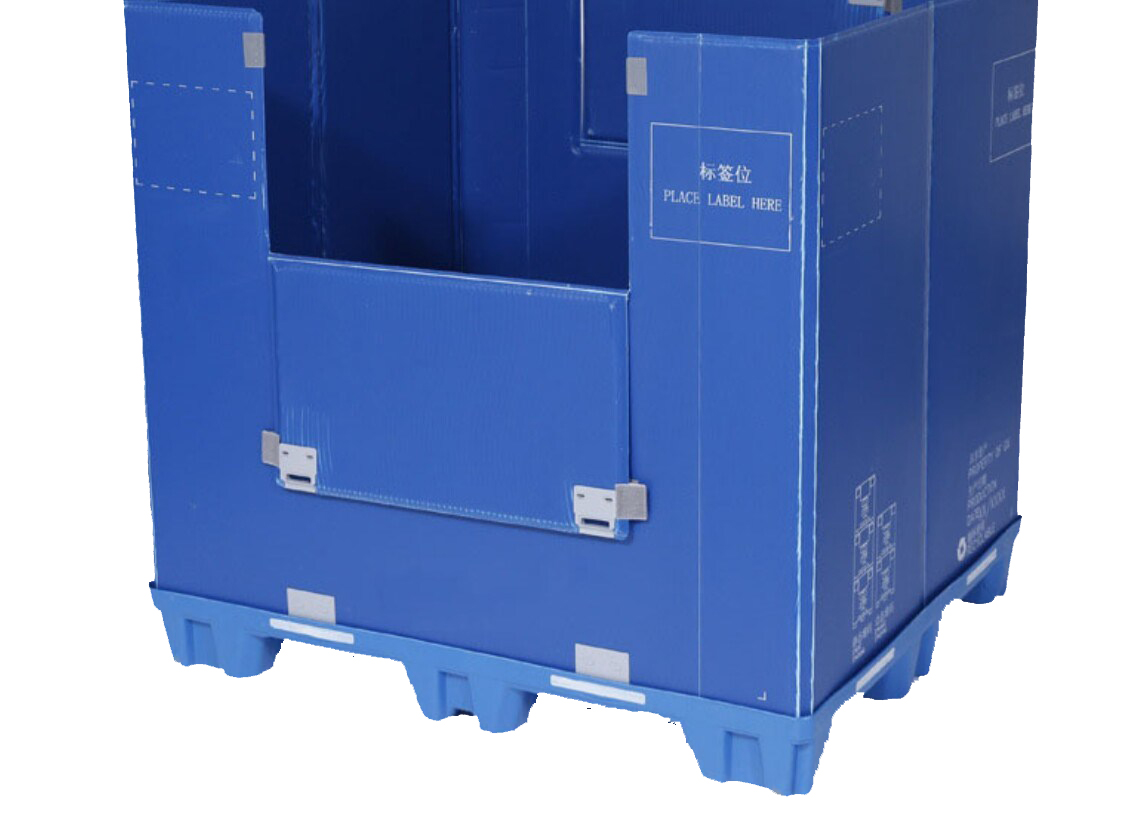
Verification happens before the crate enters service. Surface resistance is sampled per batch against the dissipative specification, lid fit and sealing are checked on production tooling, and stacking performance is confirmed under full load. The measured values ship with the batch, so an ESD audit inside the receiving plant starts from documented numbers instead of assumptions.


