


| Quantity: | |
|---|---|
metal
TOYOE
Bolts are the quiet enemy of a steel shelf. They need a crew, a torque check, and a decade later they seize with rust exactly when the layout has to change. A boltless shelving unit removes the hardware from the story: posts carry a punched slot pattern, beams lock into those slots by hand, and the whole rack assembles with nothing more than a rubber mallet and two people.
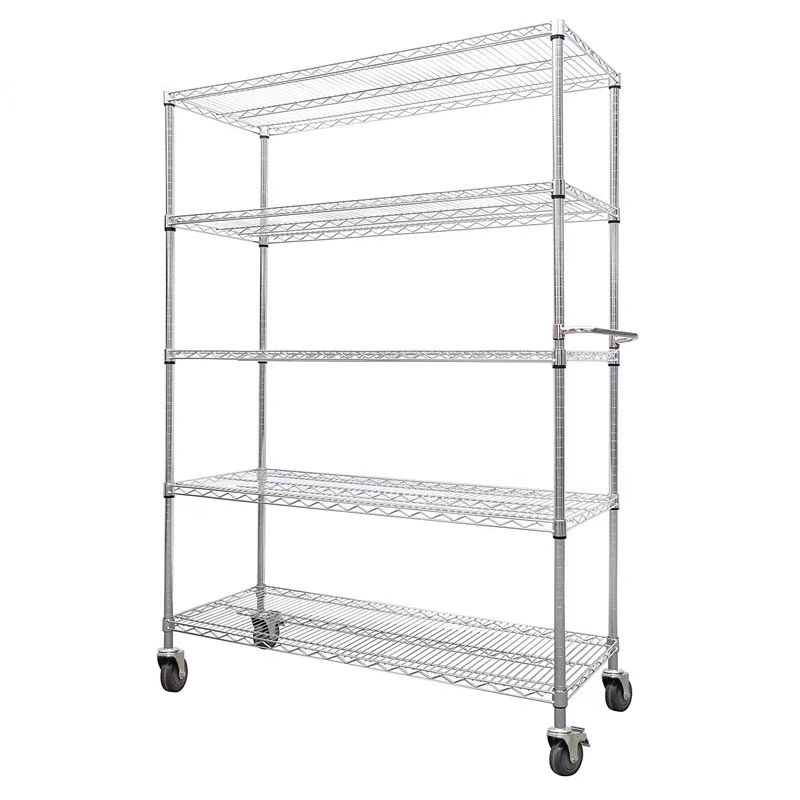
The lock lives in the beam end. Each beam carries clip tabs formed to match the post slots, and the tabs click into place as the beam drops, seating with one firm tap. Nothing can back out in service, because the load pressing down on a beam presses the clips deeper into their slots. Removing a beam is deliberate: lift it clear of the slots and the clips release.
Adjustment is where the design pays for itself. Shelf height resets in seconds: lift the beams, drop them at the slots that clear the load, done. No threads to strip, no holes to drill, no fasteners to lose in the aisle. A rack that carried tall drums last quarter is re-slotted for shallow bins this quarter without a maintenance ticket.
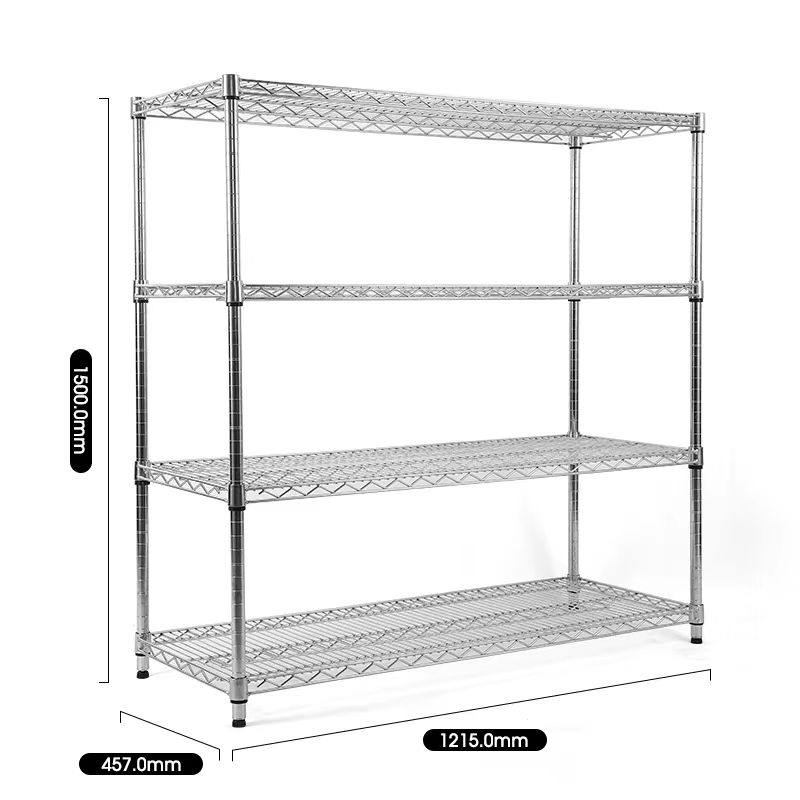
Load capacity is stated per level and verified, not implied. The posts carry the column, and each pair of beams is rated for the load it holds with deflection kept inside its limit, so a buyer knows exactly what one shelf accepts before the first box goes up. Levels are labelled with that rating, and the label travels with the beam when heights change.
Moving is part of the life of the unit. The whole rack disassembles flat, clips and beams travel in the same crate, and it reassembles in a new plant at full rating, because nothing about the structure depends on a bolted joint that loosens across moves. Fixed partitions are demolished at relocation; a boltless rack is an asset that follows the business.
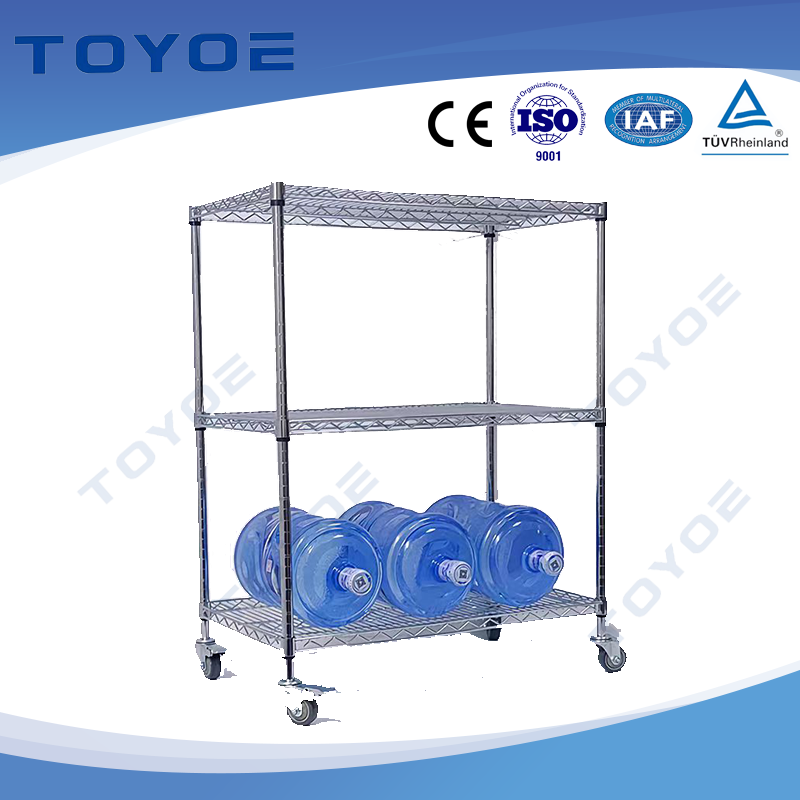
The finish matches the duty. Cold rolled steel posts and beams take a powder coat that shrugs off knocks and daily wiping, and a galvanized option serves the corners of a plant where humidity never quite leaves. Colours follow RAL numbers, so zones and flow directions read at a distance.
Verification runs on the clips, not just the steel. Beam retention is pull tested to prove the tabs hold under side loads, levels are loaded and measured for deflection at rating, and sample units are assembled and torn down through repeated cycles to confirm slots and clips do not wear loose. The result is shelving whose easiest feature, hand assembly, is also its most tested one.


