In the fast-paced world of automotive manufacturing and distribution, selecting the right packaging materials for parts is critical. Whether you’re an OEM supplier, an aftermarket parts distributor, or a repair shop owner, how you package your automotive components significantly impacts their safety, quality, and your bottom line. At Lamar Packaging Systems, we understand the unique challenges faced by businesses in the automotive industry. This comprehensive guide will walk you through everything you need to know to choose the best packaging materials for your automotive parts.
Innovative Packaging Solutions for the Automotive Industry
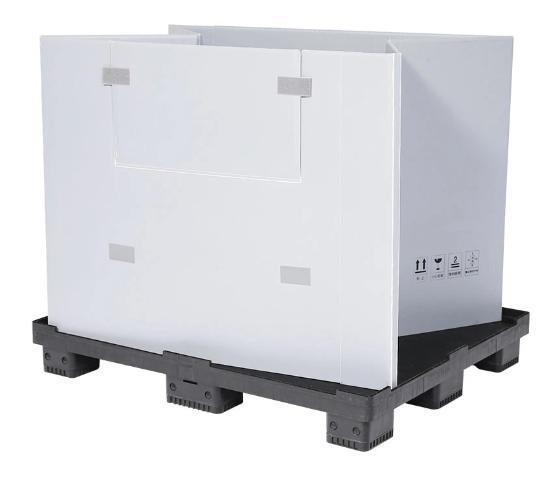
The automotive industry is a complex ecosystem, where the safe transportation and storage of components play a critical role in maintaining product quality and customer satisfaction. By 2025, the global automotive parts market is projected to reach $2.3 trillion—a scale that underscores the immense importance of proper packaging. From tiny electronic sensors to large body panels, the diverse nature of automotive parts presents unique packaging challenges. Each component demands tailored protection against physical damage, environmental exposure, and contamination.
Moreover, with growing emphasis on sustainability and cost-efficiency, selecting the right packaging materials has become more critical than ever. For over three decades, Lamar Packaging Systems has been at the forefront of delivering innovative packaging solutions tailored to the automotive sector. Our deep industry expertise enables us to offer valuable insights to help you identify the ideal packaging materials for your specific needs.
Understanding Automotive Parts Packaging Requirements
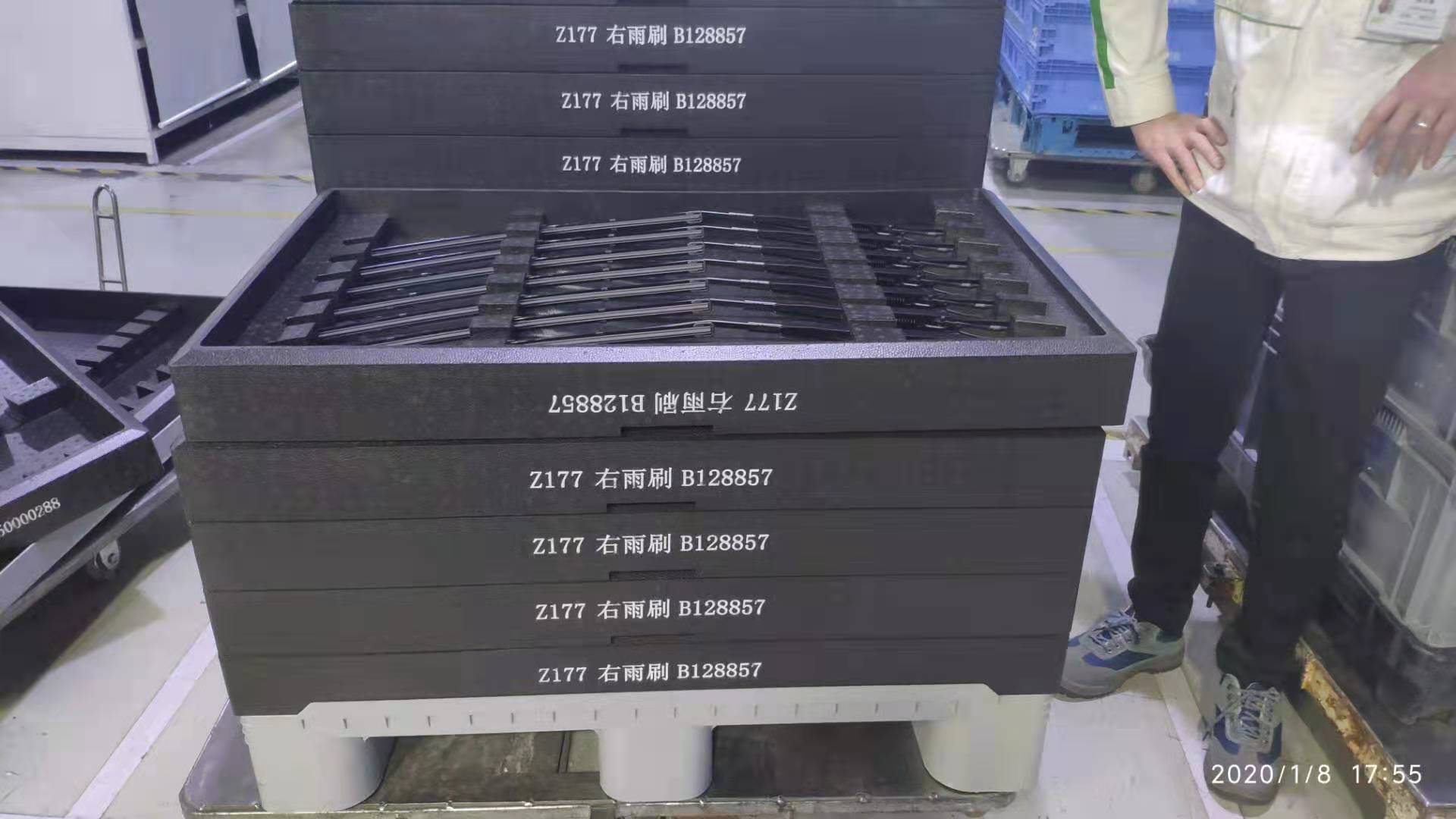
Before exploring the various packaging materials available, it’s essential to understand the key requirements for effective automotive packaging:
Protection from physical damage: Automotive parts must be safeguarded against impacts, vibrations, and compression during handling, storage, and transit.
Resistance to environmental factors:
Moisture: Many components are prone to rust and corrosion, requiring moisture-resistant or vapor-barrier packaging.
Temperature fluctuations: Packaging must retain its structural integrity and protective qualities across a wide range of temperatures.
Dust and contaminants: Maintaining part cleanliness is critical to ensure proper performance and service life.
Compliance with industry standards and regulations: Packaging must adhere to relevant automotive industry specifications (e.g., VDA, AIAG) as well as international shipping and safety regulations.
Cost-effectiveness and sustainability: With growing pressure to optimize costs and minimize environmental impact, packaging solutions must strike a balance between affordability and eco-friendliness—ideally using recyclable, reusable, or biodegradable materials.
Ease of handling and storage: Thoughtful packaging design enhances logistics efficiency, enabling smooth stacking, labeling, and integration into automated assembly lines or warehouse systems.
Common Packaging Materials for Automotive Parts
Corrugated Cardboard
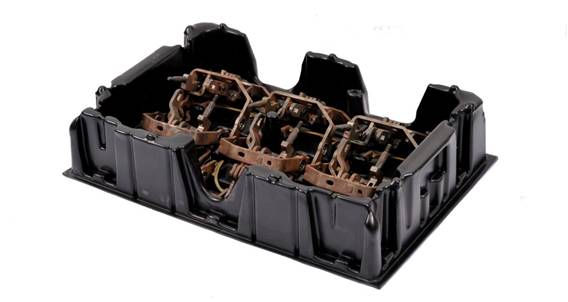
Corrugated cardboard is one of the most widely used packaging materials in the automotive industry—especially for aftermarket parts and smaller, less sensitive components.
Advantages:
Lightweight and cost-effective: Reduces shipping costs and material expenses without compromising basic protection.
Highly customizable and printable: Easily die-cut, folded, or printed with branding, barcodes, and handling instructions.
Sustainable: Fully recyclable and biodegradable, supporting environmental and corporate sustainability goals.
Limitations:
Limited impact resistance: Not suitable for heavy or high-value parts that require robust shock absorption.
Vulnerable to moisture: Can lose structural integrity when exposed to humidity or water unless treated with moisture-resistant coatings.
Ideal Applications:
Best suited for lightweight, non-fragile components such as air filters, drive belts, hoses, and small plastic or rubber parts that do not require stringent environmental protection.
Plastic Materials
A variety of plastic materials are commonly used in automotive packaging, each offering distinct performance characteristics tailored to specific needs:
Polyethylene (PE)
Advantages: Excellent moisture resistance, high flexibility, and cost-effective.
Limitations: Offers limited protection against sharp impacts or punctures.
Typical Applications: Protective bags, shrink wraps, and moisture-barrier covers for components like gaskets, seals, and small hardware.
Polypropylene (PP)
Advantages: Durable, resistant to chemicals and fatigue, and widely recyclable.
Limitations: Can become brittle at very low temperatures, potentially compromising impact resistance in cold environments.
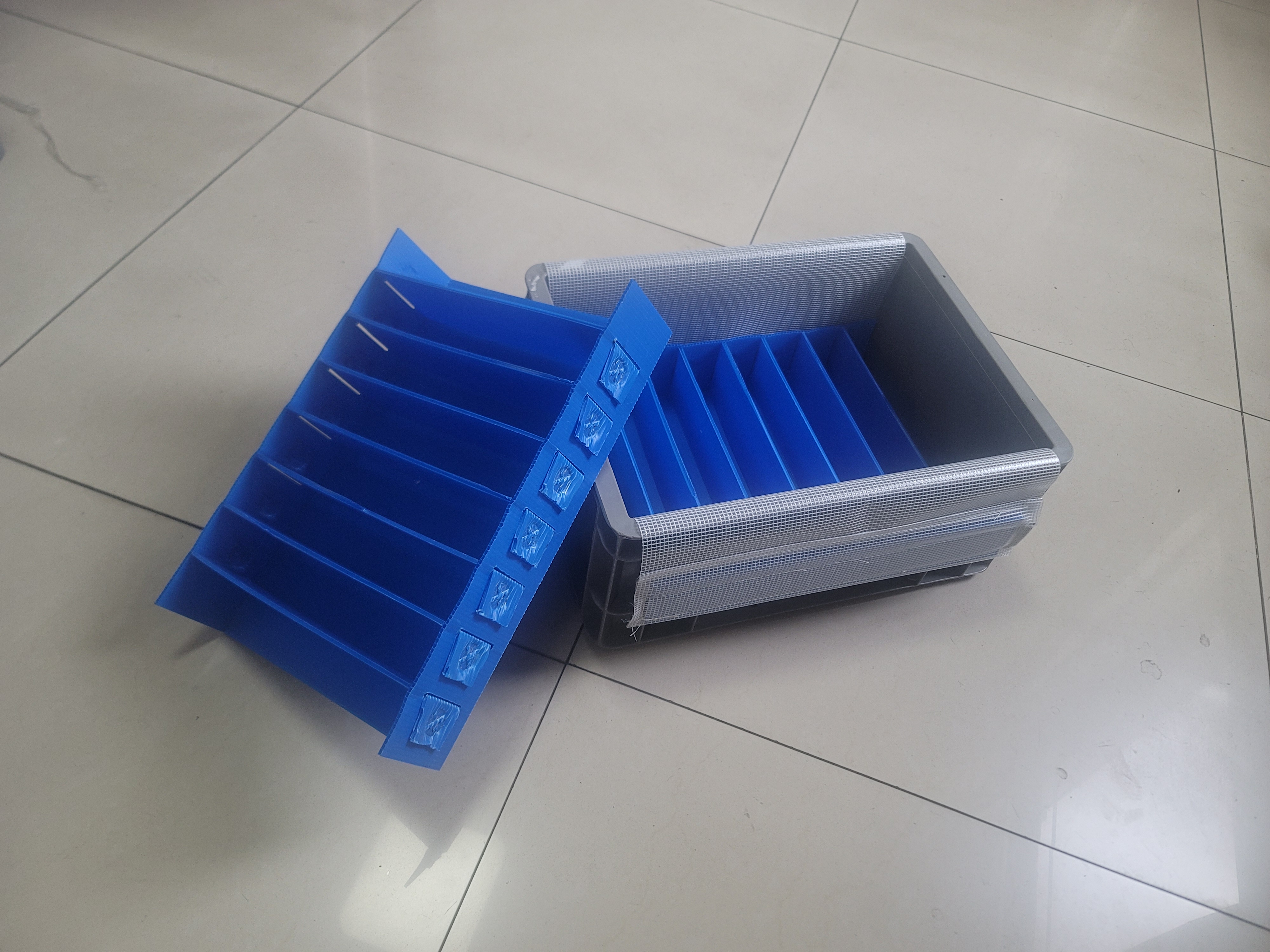
Typical Applications: Reusable totes, component trays, dividers, and protective sheets in both logistics and assembly-line settings.
Polyethylene Terephthalate (PET)
Advantages: Crystal-clear visibility, high tensile strength, and excellent resistance to oils, greases, and solvents.
Limitations: Generally more expensive than PE or PP, which may affect cost-sensitive applications.
Typical Applications: Blister packs, clamshell containers, and retail-ready packaging where product visibility and tamper resistance are important—commonly used for filters, sensors, and electronic modules.
These materials enable automotive suppliers to balance protection, functionality, sustainability, and cost based on the specific requirements of each part.
Foam Materials
Foam packaging offers superior cushioning and impact protection—making it ideal for delicate or high-value automotive components.
Expanded Polystyrene (EPS)
Advantages: Extremely lightweight, excellent shock absorption, and good thermal insulation properties.
Limitations: Difficult to recycle in many regions and can generate static electricity, which may be a concern for sensitive electronic parts.
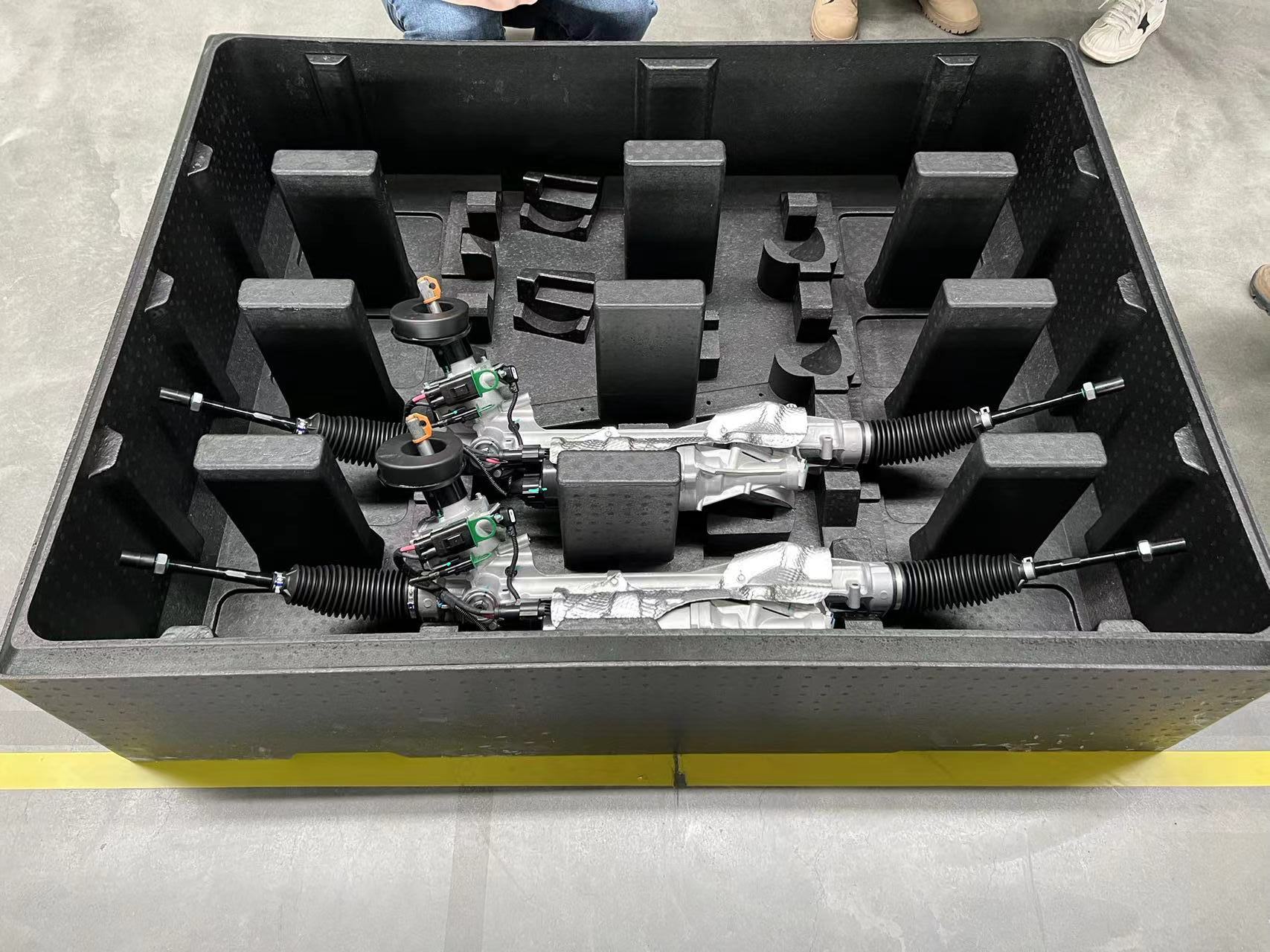
Typical Applications: Custom-molded inserts for fragile items such as sensors, lighting assemblies, and precision-engineered components.
Polyurethane Foam (PU Foam)
Advantages: Highly customizable in density and firmness, with outstanding energy-absorbing and conformal cushioning characteristics.
Limitations: Generally more expensive than EPS and not biodegradable; however, some formulations support reuse or controlled disposal.
Typical Applications: Precision-cut inserts for high-value or mission-critical parts—including ECUs, instrument clusters, and advanced driver-assistance system (ADAS) components—where maximum protection is essential.
Both foam types play vital roles in automotive packaging strategies, with the choice depending on part sensitivity, logistics conditions, sustainability goals, and cost considerations.
Wood and Wooden Crates
Wooden packaging provides robust, reliable protection for large, heavy, or high-value automotive components.
Advantages:
High strength-to-weight ratio: Offers exceptional load-bearing capacity while remaining manageable for handling and transport.
Customizable and reusable: Can be tailored to specific part geometries and often reused multiple times in closed-loop logistics systems.
Ideal for export: Widely accepted for international shipments when properly treated and certified.
Limitations:
Heavier than alternatives: Adds more weight compared to plastic or corrugated solutions, potentially increasing freight costs.
Requires phytosanitary treatment: Must comply with ISPM 15 regulations for international shipping—typically involving heat treatment or fumigation to prevent pest transfer.
Typical Applications:
Commonly used for shipping and storing heavy-duty components such as engine blocks, transmissions, axles, and large body panels—especially in OEM and overseas distribution channels where durability and regulatory compliance are paramount.
Metal Containers
Metal packaging solutions—typically fabricated from steel or aluminum—deliver the highest level of protection for valuable, sensitive, or mission-critical automotive components.
Advantages:
Exceptional durability and security: Provides superior resistance to impact, crushing, and tampering, ensuring parts arrive in pristine condition.
Reusable and long-lasting: Designed for repeated use over years, making them ideal for closed-loop supply chains and returnable packaging programs.
Outstanding environmental resistance: Impervious to moisture, dust, UV exposure, and temperature extremes—offering reliable protection in demanding industrial environments.
Limitations:
Higher initial investment: Upfront costs are significantly greater than those of plastic, foam, or corrugated alternatives.
Increased weight: Adds logistical weight, which can affect handling efficiency and transportation costs.
Typical Applications:
Commonly used for high-value electronic modules (such as ECUs and ADAS sensors), precision tooling, calibration equipment, and reusable containers in Just-In-Time (JIT) and Just-In-Sequence (JIS) manufacturing systems—where reliability, traceability, and long-term cost efficiency outweigh initial expenses.
Factors to Consider When Choosing Packaging Materials
Nature of the Automotive Part
-
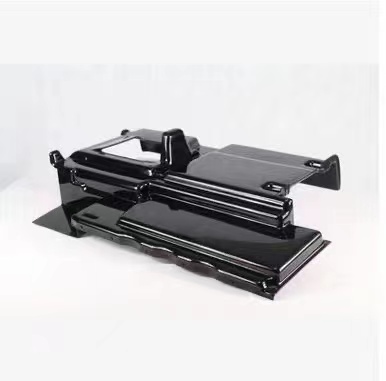
Size and weight: Larger, heavier components often demand robust packaging materials such as wood or metal to ensure structural integrity during handling and transit. In contrast, smaller, lighter parts can typically be safeguarded effectively with plastic, foam, or corrugated cardboard solutions.
-
Fragility and value: Delicate or high-value parts—such as electronic control units, sensors, or precision-machined components—often warrant investment in custom-engineered packaging that offers enhanced cushioning, secure fitment, and environmental protection.
-
Surface finish sensitivity: Components with polished, painted, or coated surfaces require non-abrasive, low-friction packaging materials (e.g., soft foam liners, anti-scratch wraps, or coated papers) to prevent marring, scuffing, or cosmetic damage that could compromise quality or customer acceptance.
Supply Chain Considerations
-
Transportation method: The mode of shipment—whether by road, air, or sea—significantly influences packaging requirements. Air freight demands lightweight solutions to control costs, ocean shipping requires robust moisture and corrosion protection, and road transport often calls for impact-resistant designs to withstand vibration and frequent handling.
-
Storage conditions: For parts stored over extended periods—especially in warehouses with variable temperature or humidity—select packaging materials that provide long-term defense against moisture, dust, oxidation, and UV exposure to maintain component integrity until use.
-
Handling processes: Evaluate how parts will be moved throughout the supply chain, including loading, unloading, automated sorting, and manual handling. Packaging should support ergonomic access, secure stacking, compatibility with material handling equipment (e.g., forklifts, conveyors), and resistance to repeated drops or shifts during transit.
Cost Analysis
-
Material costs: Carefully weigh the cost of packaging materials against the value, fragility, and sensitivity of the components they protect. Over-packaging can inflate expenses unnecessarily, while under-packaging risks damage and costly returns.
-
Labor and processing costs: Some materials may have a lower upfront price but demand more time and labor to assemble, pack, or unpack—potentially offsetting initial savings. Consider ease of use, automation compatibility, and cycle time in your total cost analysis.
-
Shipping expenses: Lightweight packaging can yield substantial savings in transportation costs, particularly for air freight where weight directly impacts pricing. Even in ground or ocean shipping, optimized packaging reduces dimensional weight and improves load efficiency, contributing to overall logistics economy.
Environmental Impact
-
Recyclability: Prioritize packaging materials that are widely accepted in local recycling streams across the regions where your products are distributed. This ensures end-of-life disposal aligns with regional infrastructure and sustainability regulations.
-
Reusability: For recurring shipments between fixed points—such as between suppliers and assembly plants—invest in durable, returnable packaging systems (e.g., metal containers, reinforced plastic totes). These solutions reduce waste, lower long-term costs, and support circular supply chain initiatives.
-
Biodegradability: When single-use packaging is unavoidable, opt for certified biodegradable or compostable materials that break down safely under appropriate conditions, minimizing persistent environmental impact without compromising performance during use.
Branding and Aesthetics
-
Printability: Certain materials—such as corrugated cardboard—provide an ideal surface for high-quality printing, enabling clear branding, barcodes, handling instructions, and compliance labeling. This not only enhances traceability and logistics efficiency but also reinforces brand identity.
-
Visual appeal for retail packaging: For aftermarket parts sold directly to consumers, packaging serves as a critical touchpoint in the buying decision. Clean design, product visibility (e.g., through PET windows), and professional finishes can significantly boost shelf appeal, convey quality, and differentiate your product in a competitive marketplace.
Specialized Packaging Solutions for Automotive Parts
Vapor Corrosion Inhibitor (VCI) Packaging
VCI (Vapor Corrosion Inhibitor) technology offers highly effective, long-term protection against rust and corrosion for ferrous and non-ferrous metal components.
How it works: VCI molecules volatilize at ambient temperatures and form an invisible, self-assembling protective layer on exposed metal surfaces. This molecular barrier actively inhibits oxidation—without the need for oils, coatings, or direct contact—making it ideal for complex geometries and hard-to-reach areas.
Typical Applications: Especially well-suited for bare metal automotive parts such as engine blocks, crankshafts, brake rotors, transmission gears, and stamped components that are prone to corrosion during storage or shipment.
Available Forms: VCI protection comes in versatile formats—including treated papers, polyethylene films, emitters, foams, and additives that can be integrated into other packaging materials—allowing for flexible, application-specific solutions across logistics and manufacturing environments.
ESD (Electrostatic Discharge) Protective Packaging
ESD (Electrostatic Discharge) packaging is essential for protecting sensitive electronic components found in modern vehicles—where even minor static discharge can cause irreversible damage.
Types of ESD Packaging:
Conductive materials: Offer a low-resistance path to ground, quickly channeling static charges away from sensitive parts.
Static-dissipative materials: Safely and gradually bleed off electrostatic charges, minimizing the risk of sudden discharges.
Anti-static materials: Inhibit the generation of static electricity through surface treatments or additives, preventing initial charge build-up during handling and transport.
Typical Applications:
Widely used for packaging critical electronic systems such as Engine Control Units (ECUs), radar and camera sensors, infotainment modules, battery management systems, and other advanced automotive electronics—ensuring reliability, performance, and compliance with industry ESD safety standards (e.g., ANSI/ESD S20.20).
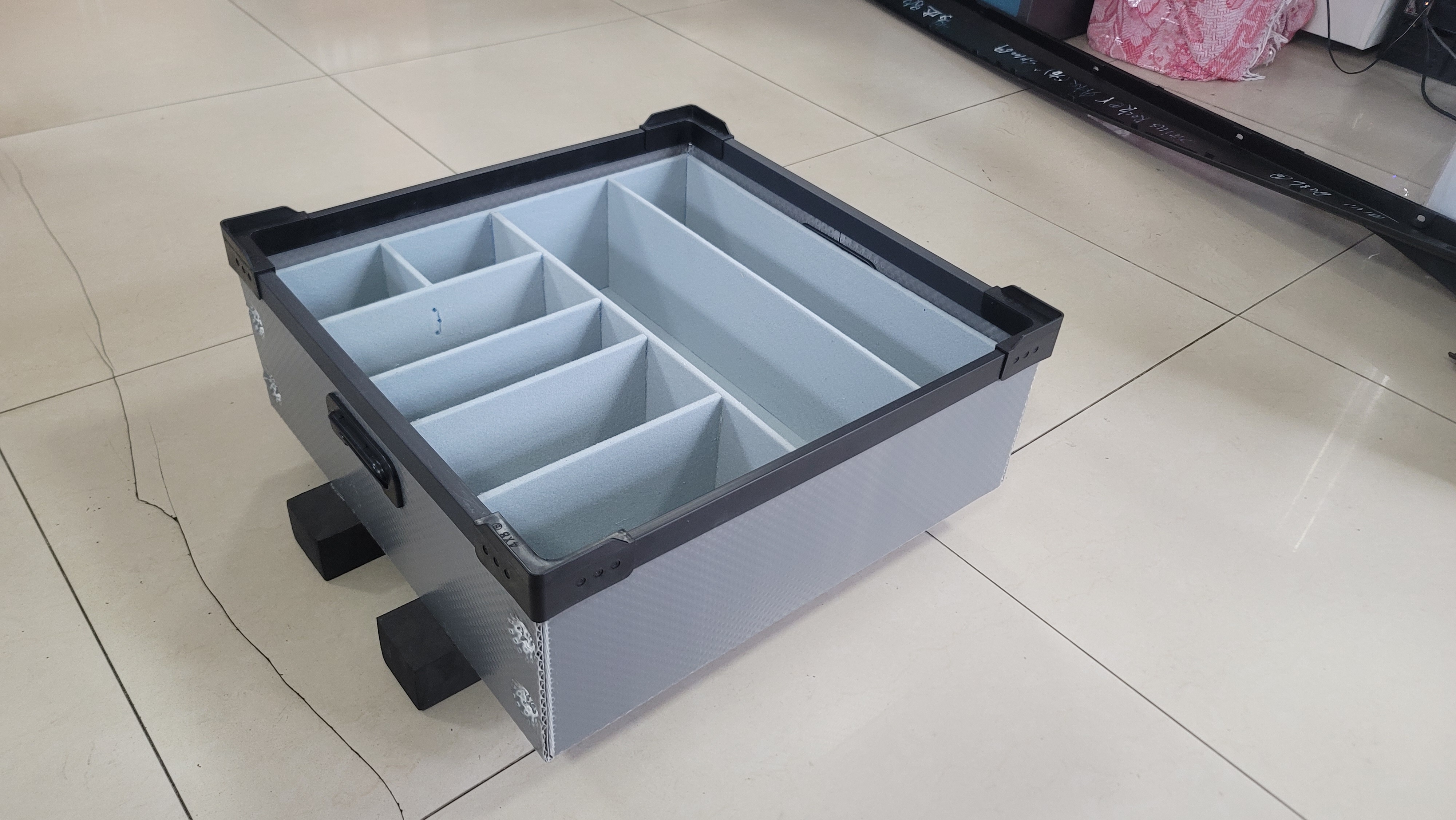
Customized Foam Inserts
Custom-engineered foam solutions deliver superior, part-specific protection by conforming precisely to component geometry.
Key Benefits:
Secure, snug fit: Minimizes part movement during transit, reducing the risk of impact damage and surface abrasion.
Multi-component integration: Can be designed to hold and protect several parts within a single package—ideal for assemblies, service kits, or maintenance sets.
Enhanced visual organization: Clearly defined cavities improve part identification, streamline picking and packing processes, and support error-proofing in assembly or repair workflows.
Common Materials:
Includes polyethylene (PE), polyurethane (PU), and crosslinked polyethylene (XLPE) foams—each offering distinct densities, cushioning properties, and environmental resistance to meet specific application requirements.
Emerging Trends in Automotive Parts Packaging
Smart Packaging Technologies
-
RFID Tracking: Enables real-time, end-to-end visibility of parts throughout the supply chain—improving inventory accuracy, streamlining logistics, and supporting traceability for quality control and recall management.
-
Condition Monitoring Sensors: Integrated sensors can detect and log critical environmental events during transit, such as shocks, temperature excursions, or moisture exposure. This data provides actionable insights into handling conditions, helps validate packaging performance, and supports root-cause analysis in the event of damage or warranty claims.
Sustainable Packaging Innovations
-
Bio-based materials: Packaging derived from renewable resources—such as polylactic acid (PLA) from corn starch or bio-polyethylene from sugarcane—offers a lower carbon footprint and reduces reliance on fossil fuels, while often maintaining performance comparable to conventional plastics.
-
Closed-loop recycling systems: Forward-thinking manufacturers are collaborating with recyclers to establish circular systems in which used packaging is collected, cleaned, reprocessed, and reintroduced into the production cycle. This approach minimizes waste, conserves raw materials, and supports long-term sustainability goals across the automotive supply chain.
Automation in Packaging Processes
-
Robotic Packing Systems: Automate the packaging process to deliver unmatched speed, precision, and consistency—especially valuable in high-volume automotive operations where repeatability and labor efficiency are critical.
-
AI-Driven Packaging Design: Leverages artificial intelligence to analyze part geometry, fragility, shipping routes, and historical logistics data, enabling intelligent optimization of material selection, cushioning layout, and structural design. This results in lighter, more cost-effective packaging that provides precisely tailored protection while minimizing waste.
Best Practices for Automotive Parts Packaging
Conducting Thorough Packaging Tests
-
Drop Testing: Simulates real-world impacts that packages may encounter during handling, loading, or transit—ensuring components remain secure and undamaged after accidental falls from specified heights and orientations.
-
Vibration Testing: Replicates the dynamic stresses of road, rail, air, or sea transport to assess how packaging withstands prolonged exposure to oscillations and shocks, helping prevent fatigue-related damage to sensitive parts.
-
Environmental Stress Testing: Evaluates packaging performance under controlled extremes of temperature, humidity, and thermal cycling—verifying its ability to protect contents against corrosion, warping, delamination, or other degradation in diverse climate conditions throughout the supply chain.
Optimizing Package Design for Efficiency
-
Minimizing Void Space: Eliminating excess empty space within packaging reduces material consumption, lowers dimensional weight, and decreases shipping costs—while also limiting part movement that could lead to damage.
-
Maximizing Load Stability: Thoughtful packaging design ensures optimal stacking strength, weight distribution, and secure containment, keeping parts firmly in place during transit and enhancing overall pallet and container stability.
Implementing Quality Control Measures
-
Regular Inspections: Conduct routine checks to verify that packaging materials consistently meet required specifications and are free from defects such as tears, warping, contamination, or compromised protective properties—ensuring reliability at every stage of the supply chain.
-
Continuous Improvement Processes: Systematically analyze performance data, field reports, and customer feedback to refine and optimize packaging solutions over time. This proactive approach drives cost efficiency, enhances part protection, and supports evolving sustainability and operational goals.
Training Staff on Proper Packaging Techniques
Ensure all employees involved in packaging understand the importance of proper techniques and are trained in using the chosen packaging materials effectively.


