


| Quantity: | |
|---|---|
Plastic
TOYOE
A display board lives a harder life than its photograph suggests. It is printed, built, trucked to a hall, assembled, photographed, taken apart, stored in a damp corner and rebuilt six months later with a new graphic. The material that survives that cycle is not the stiffest board on the market; it is the one whose joints and faces take repeated handling without tearing, waving or losing their print.
Connections decide whether a panel survives its third build. Boards join with clips, hinges or push fit profiles, and every fixing point sits in a reinforced zone so a bolt tightened too hard on a Monday does not tear out by Thursday. Assembly that needs no tools also means no missing tools at the venue, which is where most build schedules fail.
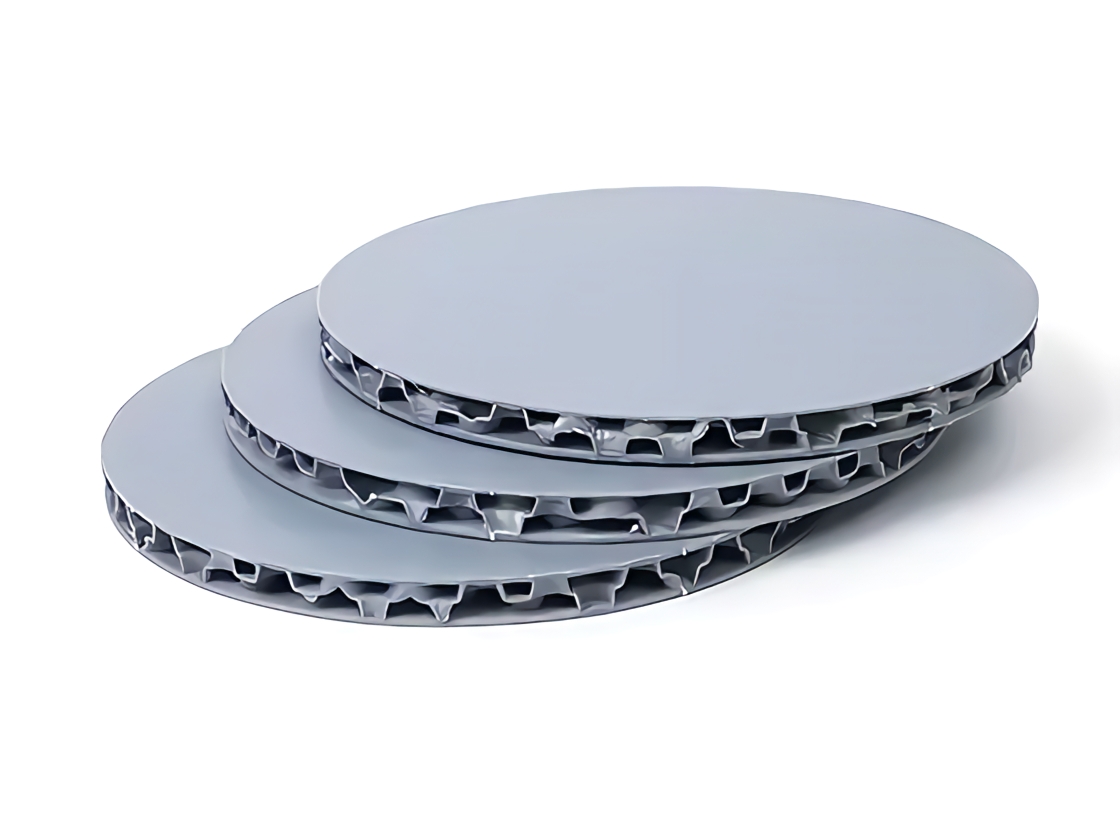
The face is designed to be printed and wiped. Direct inkjet or screen printing goes onto the panel without a laminating film that could lift at a corner, and the surface resists the scuffs of trolleys and shoes in a busy hall. A graphic that has to be updated next season can be over printed or the panel re skinned, so the frame and structure stay in service while the message changes.
Weight is a build cost. A honeycomb panel with PP skins is light enough for one person to carry and position, so a stand goes up with two people instead of four, and freight to the venue drops with every panel, while storage between shows takes less height. Light boards also need lighter support structures underneath, which shortens the build again.
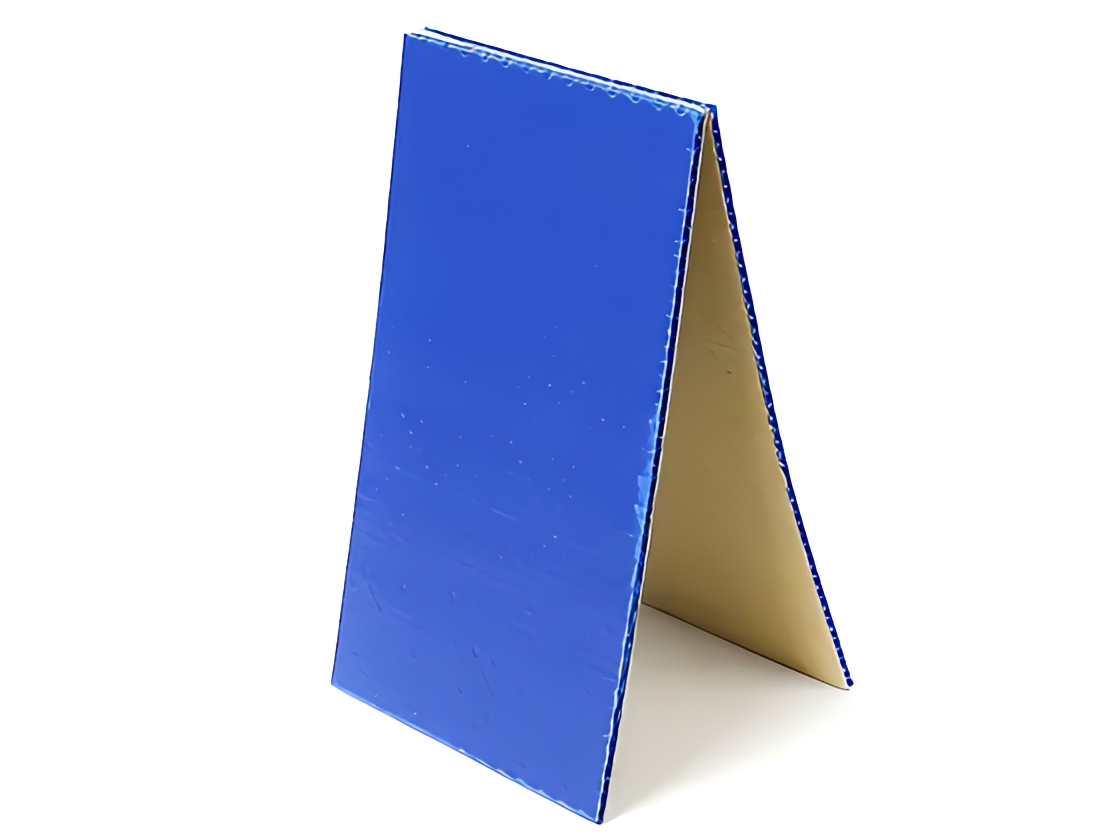
Flatness protects the artwork. Graphics are read at a distance and any wave in the panel shows as a shadow line across a logo. The honeycomb core holds large panels flat across their span, and thickness is selected per panel size rather than per catalogue, so a two metre graphic is not carried on a board meant for a shelf label.
Storage and reuse are part of the specification. Panels stack flat, printed faces are protected by interleaving sheets, and edge trim stays closed so a corner knocked in transit does not open the core. Custom sizes mean a panel matches the stand it belongs to, and the next show reuses the same panels with a new face.
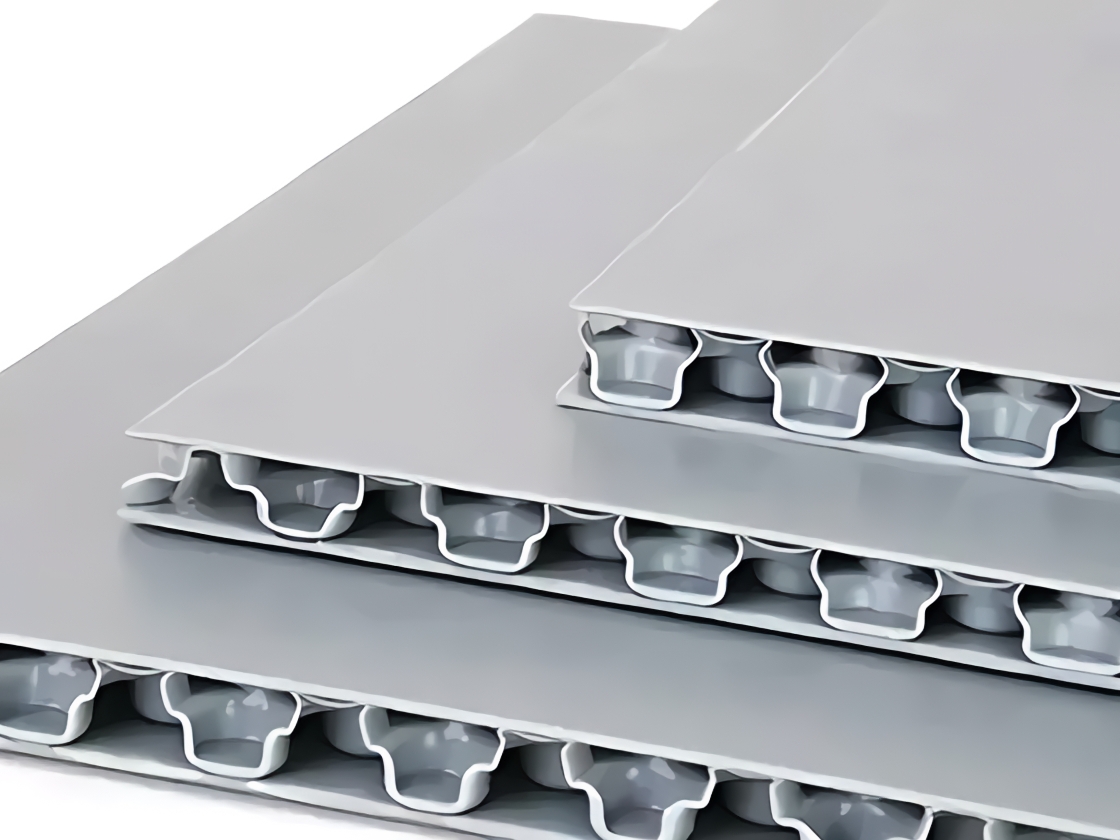
Verification is done on the build cycle. Panels go through repeated assembly and disassembly at their fixing points, print adhesion is rubbed and washed, edges are dropped on a corner to confirm the core stays closed, and flatness is measured across the working span. What ships is a board tested the way a show is built: quickly, repeatedly and away from home.


