


| Quantity: | |
|---|---|
A storage container for precision electronics fails slowly, usually with water vapour rather than knocks. Many components carry a floor life clock that starts when the moisture barrier bag is opened; an insert that holds the part perfectly but leaves the cavity in humid air lets that clock run out on the rack. The container is a humidity system as much as a cushioning one.
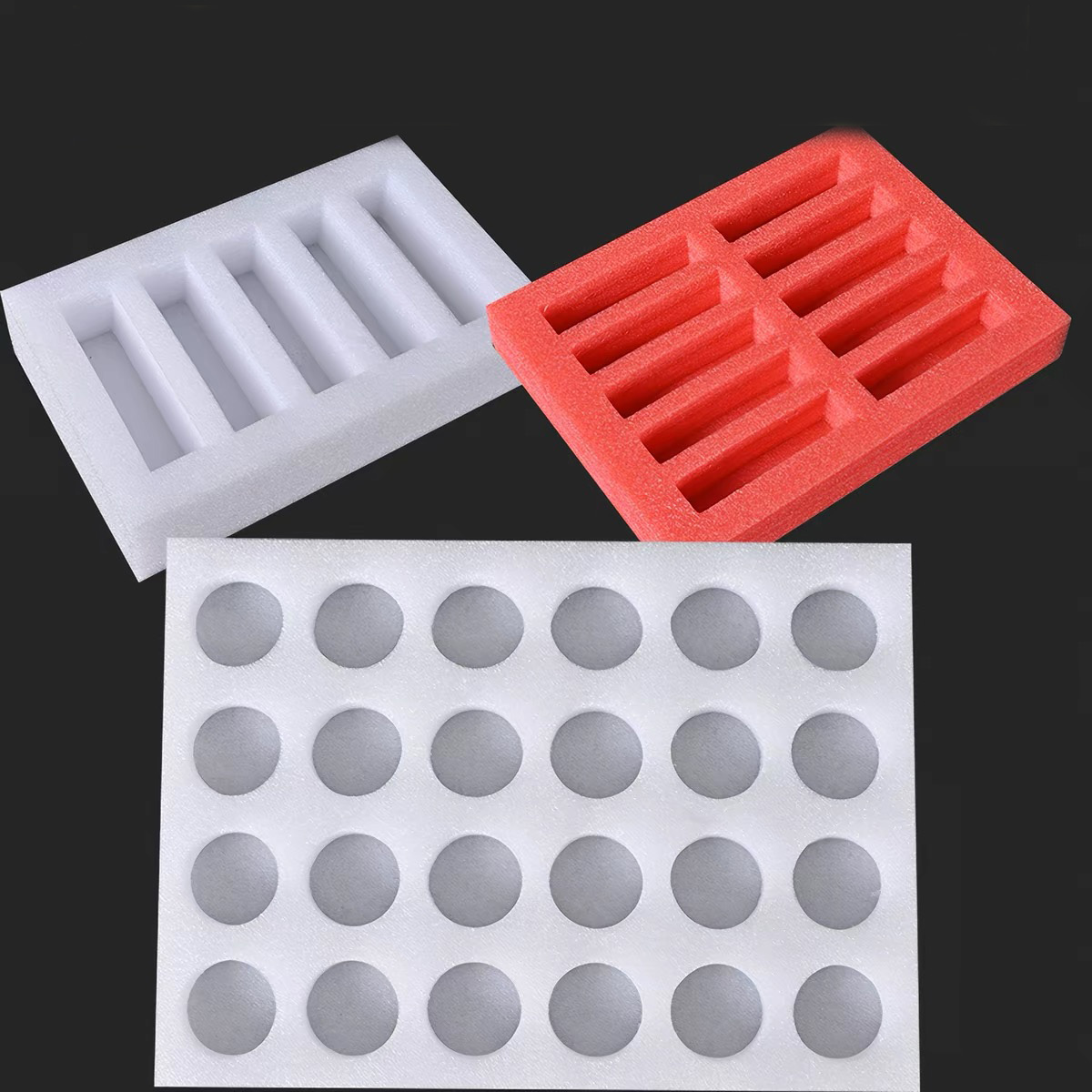
Start from the sensitivity label on the component. Its moisture sensitivity level and floor life decide the cavity arrangement: high level parts stay inside a sealed barrier layer, low level parts can sit directly on the foam. The level, opening date, and due date are written on the container label, so the rack shows its state without opening a bag.
The barrier set has three parts. A foil laminate bag holds the component, desiccant inside the bag absorbs trapped vapour, and a humidity indicator card shows the condition at a glance. Closed cell EPE barely absorbs water, but its surfaces collect condensation, so the bag is sized with room for the desiccant and the card, and the foam never presses the bag against a cold wall.
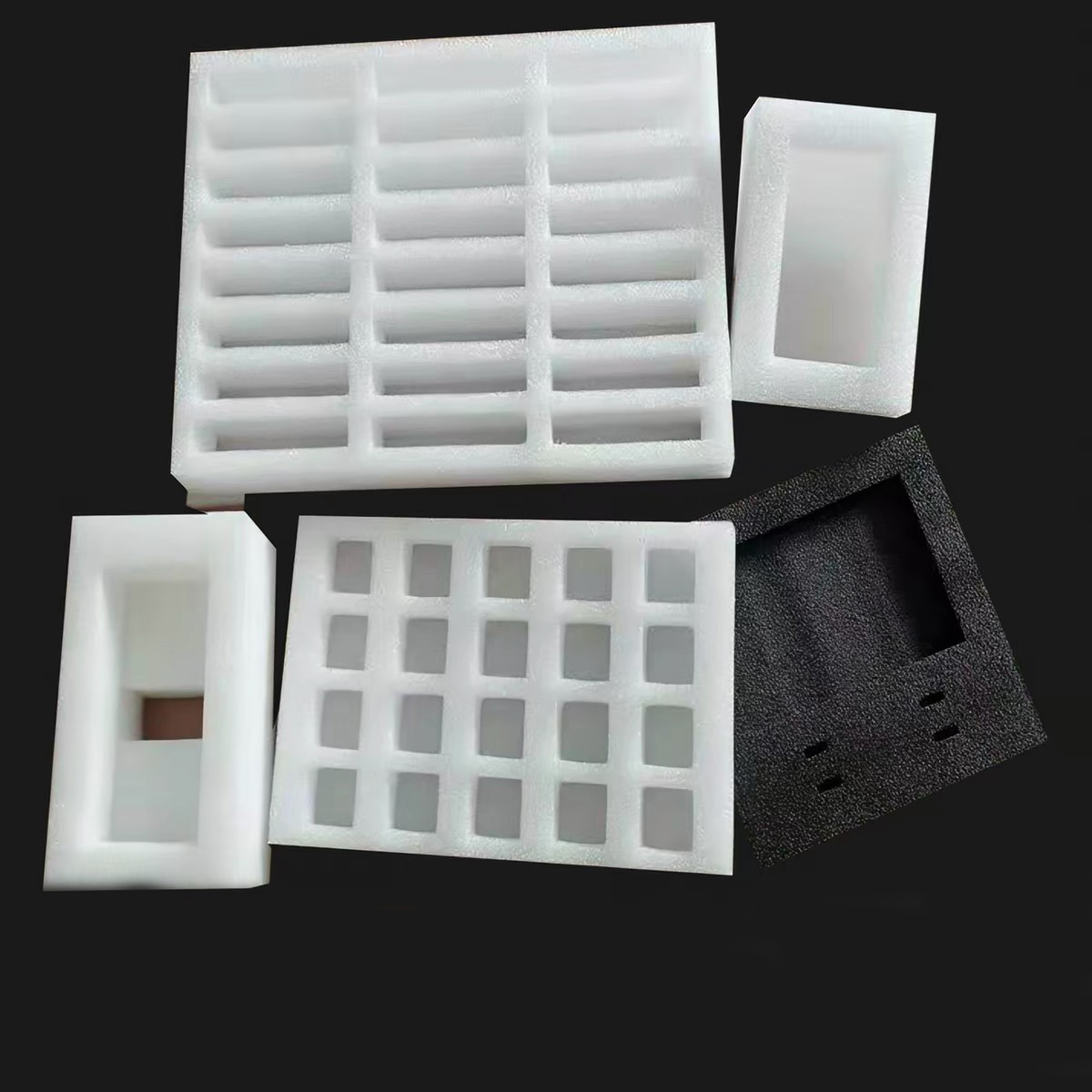
Temperature changes drive the visible damage. A crate that moves from a cold store into a warm hall breathes, and moisture lands on the coldest surface in the box. Parts reach room temperature inside the sealed bag before it is opened, the lid gasket and foam top keep daily swings out, and the balanced waiting time is printed on the label next to the floor life.
The container structure stays practical. EPE density follows part weight and the drop risk of the route, pockets keep finished leads and connectors clear, and a label zone carries the part number, the sensitivity level, and the dates. An optional static dissipative grade covers sensitive boards, and a numbered seal shows whether the pack was opened since its last inspection.
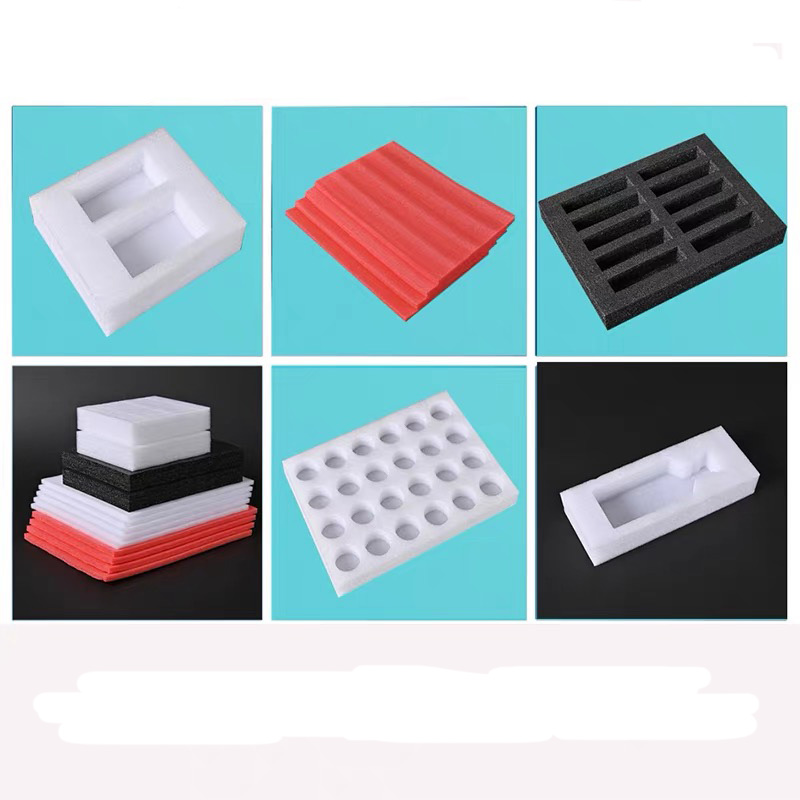
Each return ends with a short check. The indicator card is read, the desiccant colour is compared against its standard, the seal and lid are inspected, and any component past its floor life is logged for drying or return to the moisture controlled store. Desiccant and cards are replaced on a fixed interval, recorded against the container number, so one missed change does not stay hidden.
To specify, send the component list with moisture sensitivity levels, weights, and lead or connector faces that must not be touched, the expected storage duration, temperature range, crate inner dimensions, target cycles, and inspection intervals. We return a cavity layout, a barrier set specification with desiccant quantity and card placement, label templates, and sample containers proven through humidity cycling and a transit trial.


