


| Quantity: | |
|---|---|
On a busy automotive line, an irregular part is only as fast as its container. When every unit needs a thought about which way round it sits, loading becomes the bottleneck: hands hesitate, parts get turned twice, and the wrapper goes into the bin each cycle. EPP foam containers moulded to the part remove that hesitation: the cavity accepts the component in one orientation, and the right one is always the easy one.
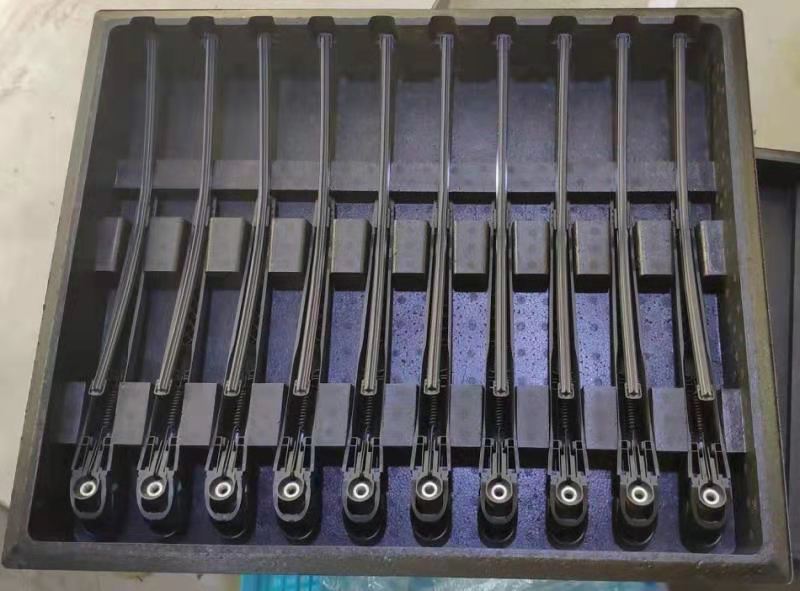
Loading speed comes from the shape. A casting dropped into its pocket lands supported on the correct faces without steering, so hands are free for the next unit almost immediately. There is no wrap to cut, no loose cushioning to tuck, and no second check that the part sits level, turning a multi step task into a single motion that holds a steady rhythm.
Unloading gets the same treatment. Finger recesses are moulded where a natural grip falls, so a picker lifts the part out without levering against a finished edge. At line side the difference shows in cycle time: parts present upright, come out cleanly, and reach the fixture already oriented, so the machine never waits on packaging.
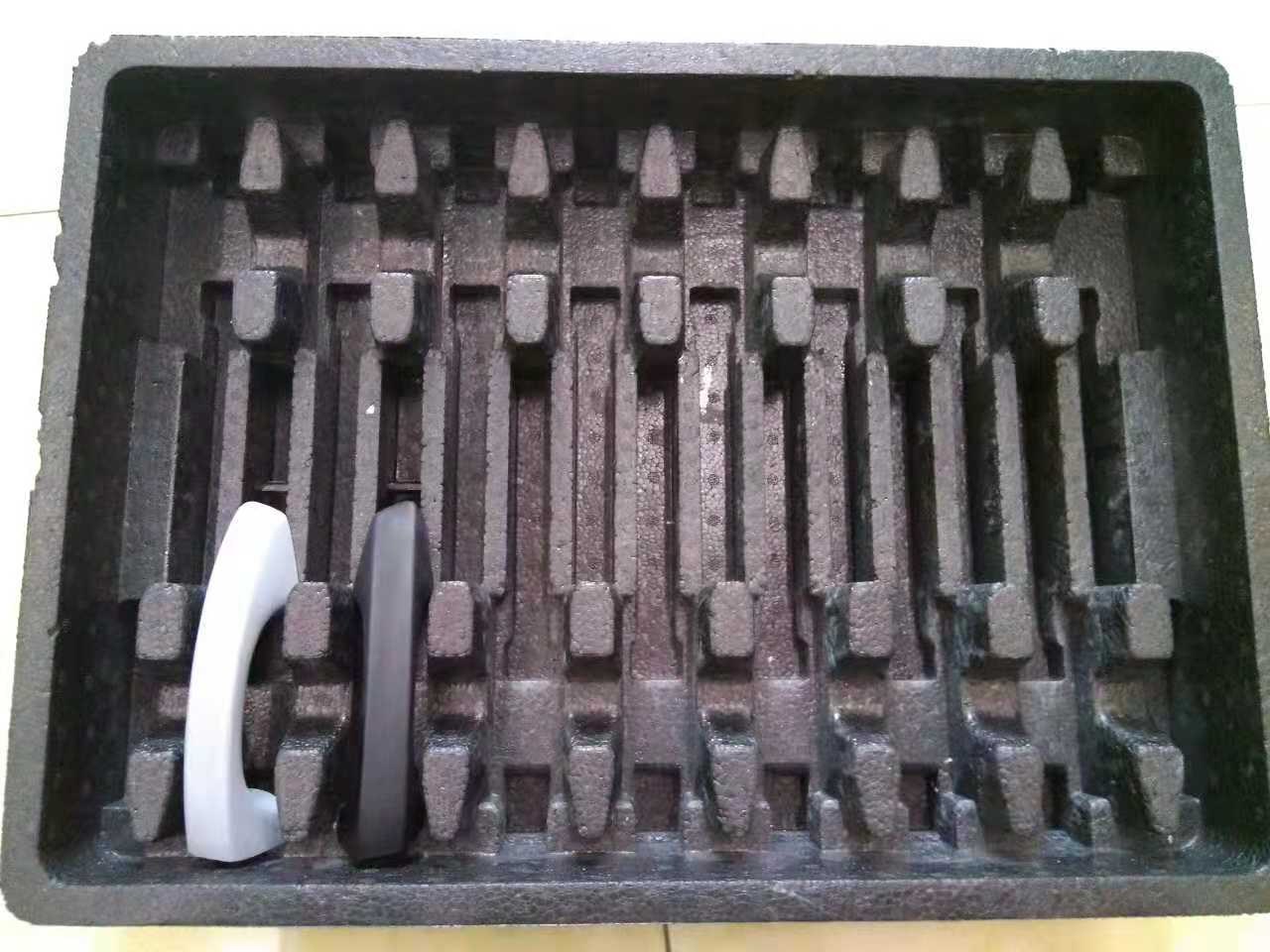
The containers work as a loop rather than a one way box. Loaded units travel from supplier or stores to the line, and empties return in the same crates, nesting because the moulded interiors stack without collision. A kanban card or a simple visual rule ties each container to its part number, so replenishment pulls itself: when the empty stack reaches a mark, the next loop of loaded containers is already on its way.
Wear and upkeep stay visible and cheap. The shell carries the stacking load and the foam carries the part, so the two wear at different rates: a cavity that has lost its grip shows it plainly, and the foam element swaps without retiring the shell. Fleets last longer because only the worn piece is replaced, at a scheduled check rather than as a surprise.
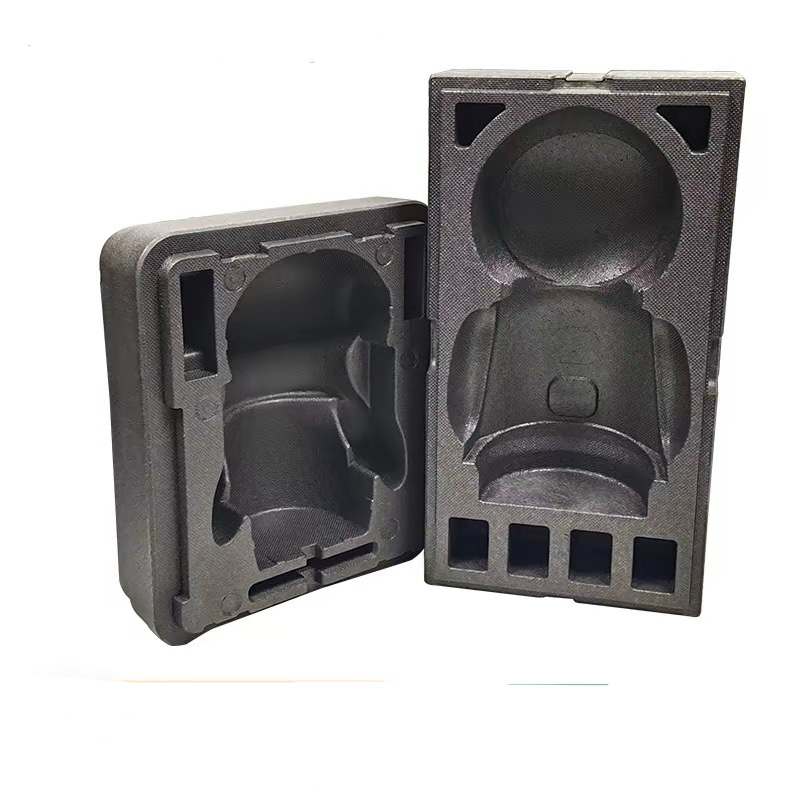
Material behavior supports the routine quietly. Closed cell EPP recovers after hundreds of impacts, tolerates oils and coolants, shrugs off moisture, and stays light so the container never taxes the payload. It holds stiffness from cold stores to warm docks and stays fully recyclable at loop end, closing the environmental case as neatly as the operational one.
To put this on your line, send the part model or a sample for scanning, plus the sensitive faces and the crate it should travel in. The proposal returns the cavity layout, the loading sequence, and the cycle time it supports, so the packaging decision is argued in seconds per part, the currency your line spends.


