


| Quantity: | |
|---|---|
plastic/metal
TOYOE
Keeping finished parts clean between two operations usually forces a choice: seal them in hard containers and slow every pick, or leave them open on racks and watch dust and swarf settle on machined faces. A framed cloth bag refuses that trade off. The metal frame holds the shape, the cloth does the covering, and a curtain in front gives hands access without exposing the whole load.
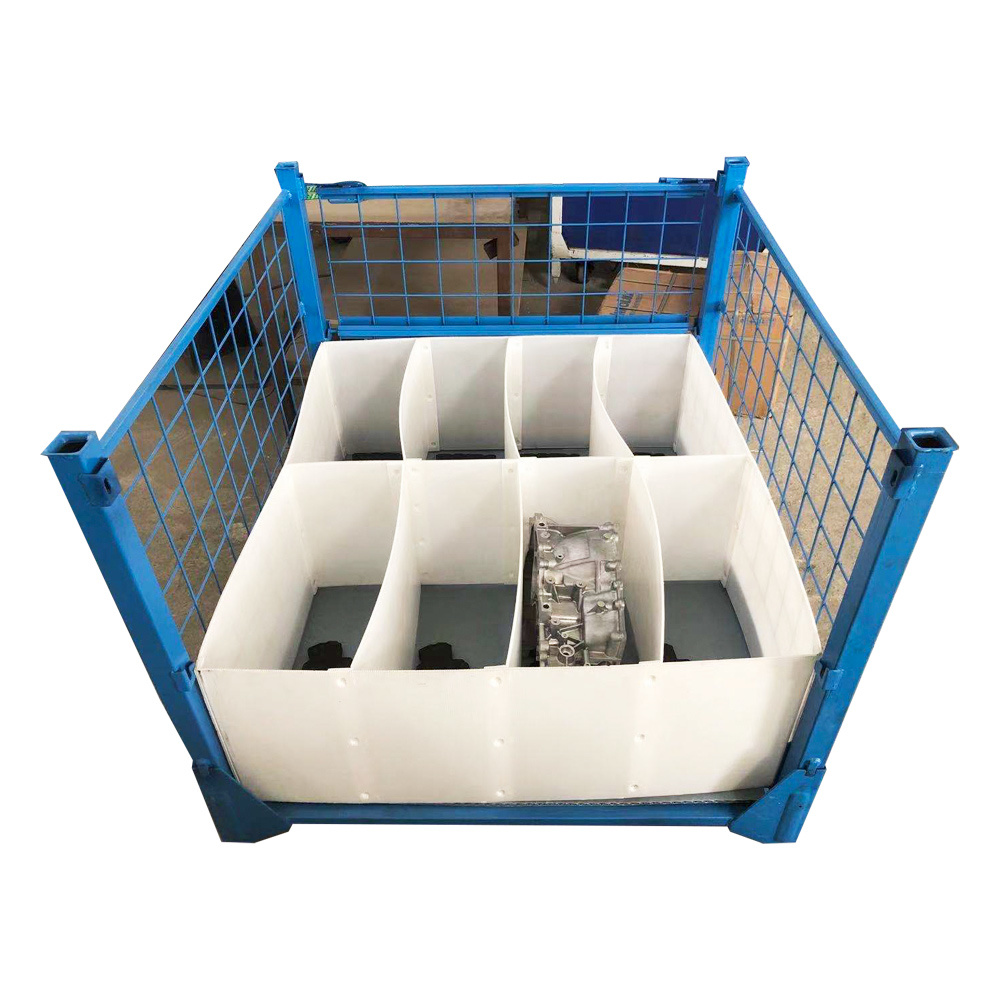
The frame is a welded steel tube skeleton sized to the footprint of the rack or pallet it serves. Corners carry the load when bags stack, feet keep the cloth off the floor, and the whole frame folds flat when the bag is idle, so a shelf of spare bags takes centimetres rather than metres of storage. Frame tubes accept accessories too, from side pockets to hanging rails.
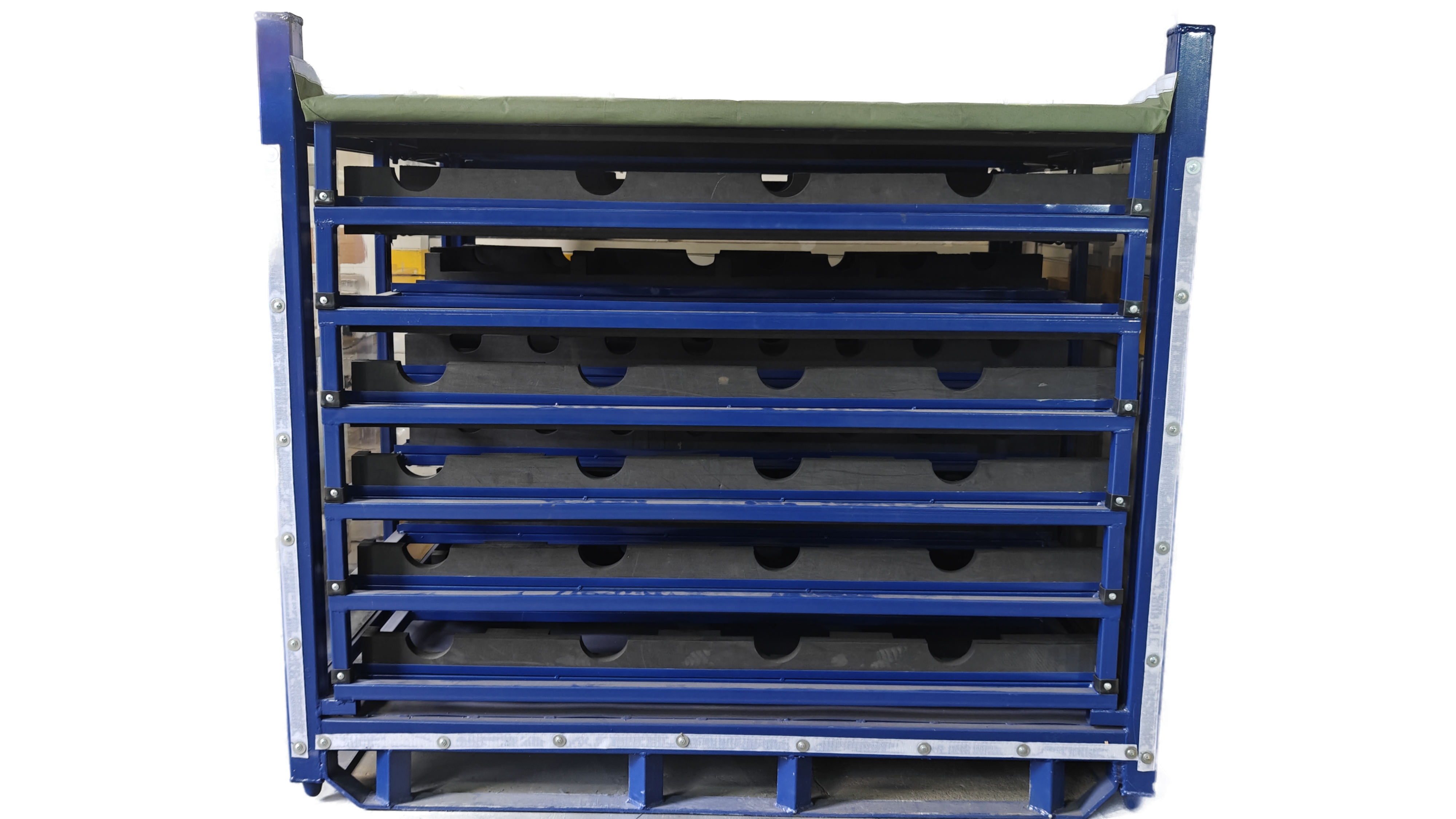
The cloth is cut to the frame, not bought off a roll. Heavy woven fabric with reinforced seams wraps each face, and the inner face stays soft against painted and machined surfaces, so a part pushed against a wall never picks up the scratches that metal shelves leave. Sizes follow the parts on the line: deep bags for large housings, shallow ones for long shafts and extrusions.
The curtain is where the design pays off daily. A front panel opens at the centre or lifts from below, so a picker reaches one compartment without unstacking the bags above or sliding out the whole box. Closure is by zipper, loop or magnetic strip as the workflow prefers, and the panel closes behind the hand automatically after each pick.
Breathability is an advantage worth stating. Sealed plastic cases trap the temperature changes of a shift, and machined parts wake up under condensation. Woven fabric breathes, so moisture escapes instead of beading on bright surfaces. The cloth also washes: panels that pick up oil film come out of a machine wash ready for another cycle, and a worn panel is replaced without retiring the frame.
Customisation follows the line, not a catalogue. Bag heights match the shelf pitch above them, label windows and printed part numbers sit where the picker looks, and colour coding separates customers or production orders at a glance from across the aisle. A frame that already carries one bag can be re skinned with a new cloth when the parts change.
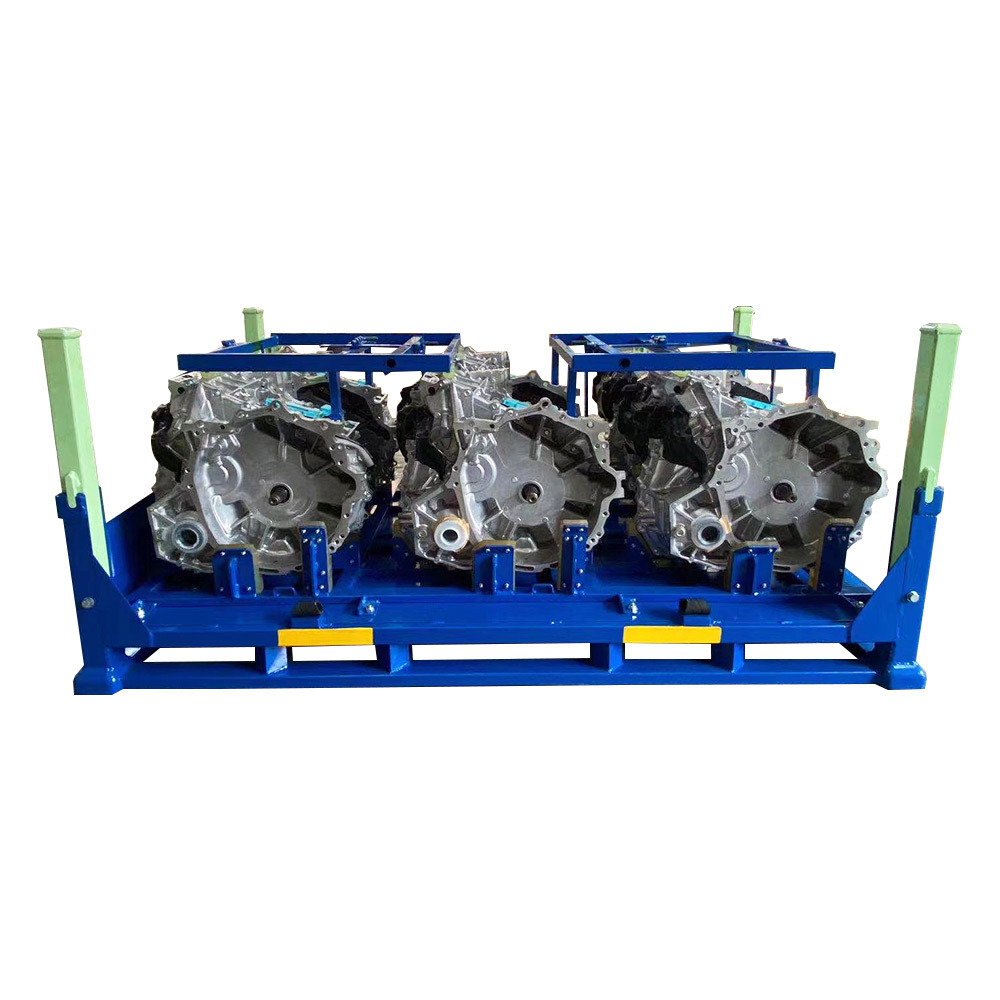
Verification keeps the design honest. Frames are stack loaded to prove the corners carry a full column, curtain closures are cycled through thousands of opens to check zip and seam life, and finished bags run wash trials before quoting. What reaches the customer is a bag proven against the exact handling it will meet, dust excluded by fabric and fit rather than by promises.


