


| Quantity: | |
|---|---|
metal
TOYOE
A metal rack that moves around a factory wears out at its wheels long before its frame. Steel wheels score painted and epoxy floors, seized bearings make a loaded rack feel twice its weight, and the noise of worn treads on concrete carries through a whole hall. The wheel is a wear part, and treating it as one changes both the floor plan and the daily experience of moving racks.
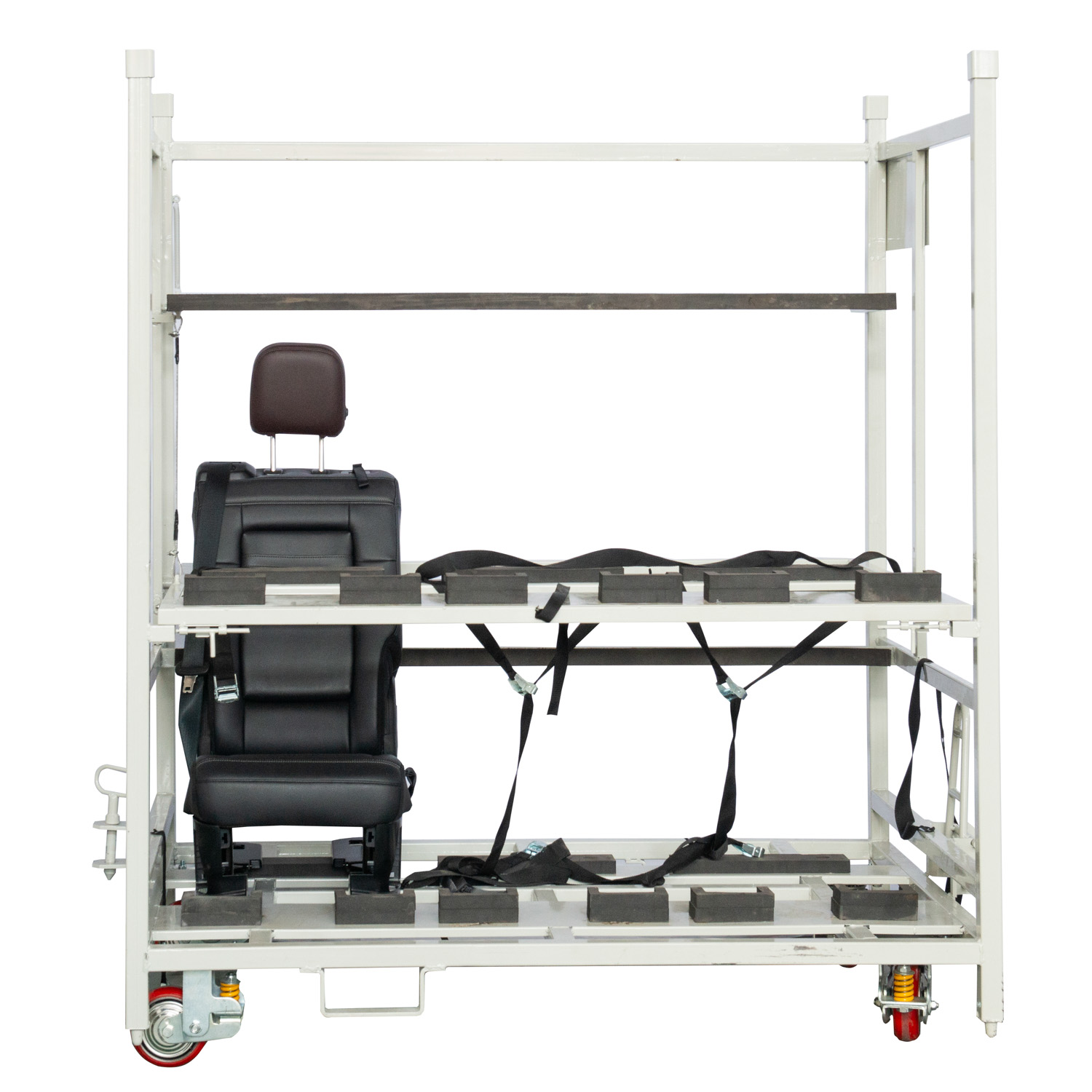
The HDPE tread is chosen for the floor first. Unlike bare steel, polyethylene rolls across epoxy coatings and painted floors without scoring them, leaves no rust streaks when the washdown hose passes, and keeps a dark floor looking maintained instead of scratched grey. It also rolls quieter than metal on concrete, which matters in halls where people work between moving racks all shift.
The tread profile handles real floors, not laboratory ones. HDPE flexes over debris, seams and door thresholds that would stop a hard wheel dead, so a loaded rack keeps rolling through the imperfections every factory floor has. Where the route runs one direction, a cylindrical tread tracks straight; where racks pivot in tight bays, a crowned profile turns without scrubbing the floor underneath.
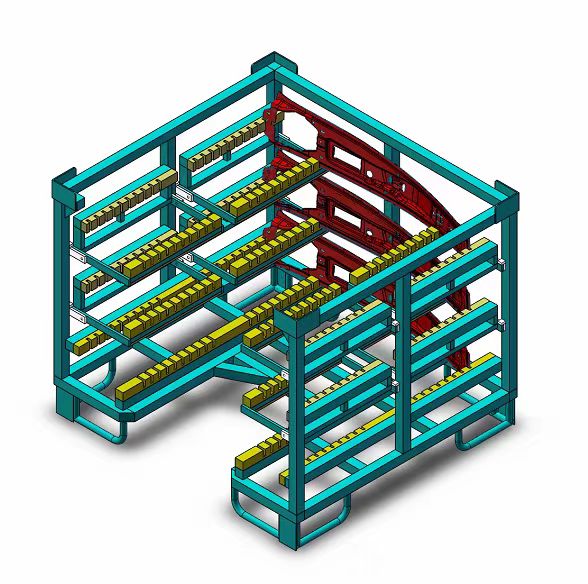
Fit is standardised so replacement is a maintenance job, not a project. Wheels mount on a defined axle seat, either pressed or bolted through the rack leg, and a worn wheel is swapped in minutes with the rack loaded or empty, without dismantling anything. Standard diameters and widths across the range mean a store keeps one set of spares for every rack style in the building.
Sizing follows the duty. Wheel count and diameter are matched to rack weight plus payload divided across contact points, so no wheel runs near its limit on a routine move. Options cover the working case: brakes that hold a rack square at its workstation, fixed direction for long straight runs, and swivels where aisles turn. The right wheel at the right position makes a heavy rack feel light.
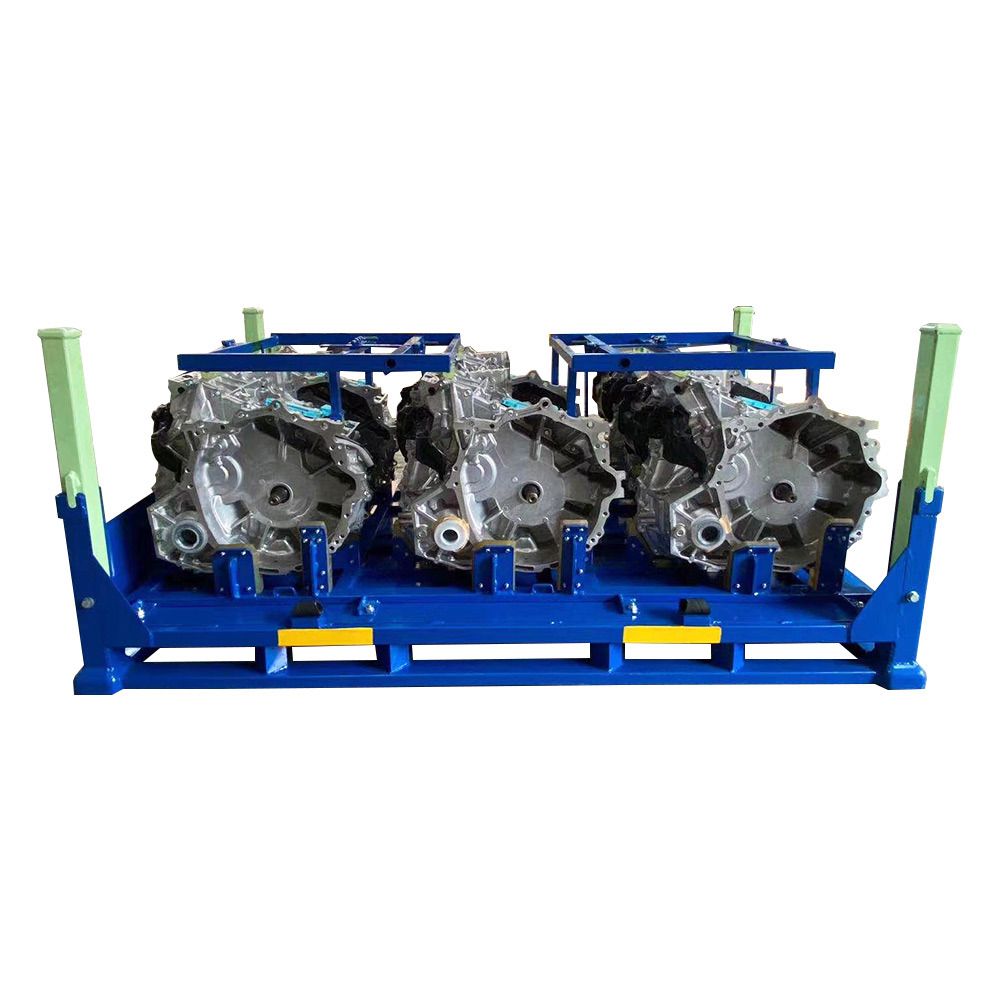
The material keeps maintenance short. HDPE treads do not chip or flat-spot under standing loads the way softer compounds do, they need no lubrication to the tread itself, and they tolerate the oils and cleaning agents found in every workshop. When a wheel finally wears, it announces it by noise and drag, so replacement happens on schedule instead of after a failure.
Each wheel batch is verified before it ships. Load testing confirms the rated capacity with margin, rolling endurance cycles check tread wear and bearing life, and floor marking is inspected on coated test surfaces. The result is a rack fleet that moves when it should, protects the floor it runs on, and repairs its own wear part in minutes.


