


| Quantity: | |
|---|---|
Metal
TOYOE
A pallet rack earns its keep only when its openings match the pallets that actually move through the building. Racks specified from a catalogue often end up with levels too low for a wrapped load or too high for the fork truck to place safely. The better starting point is the pallet itself: measure what runs on the floor today, then set every beam opening around that reality.
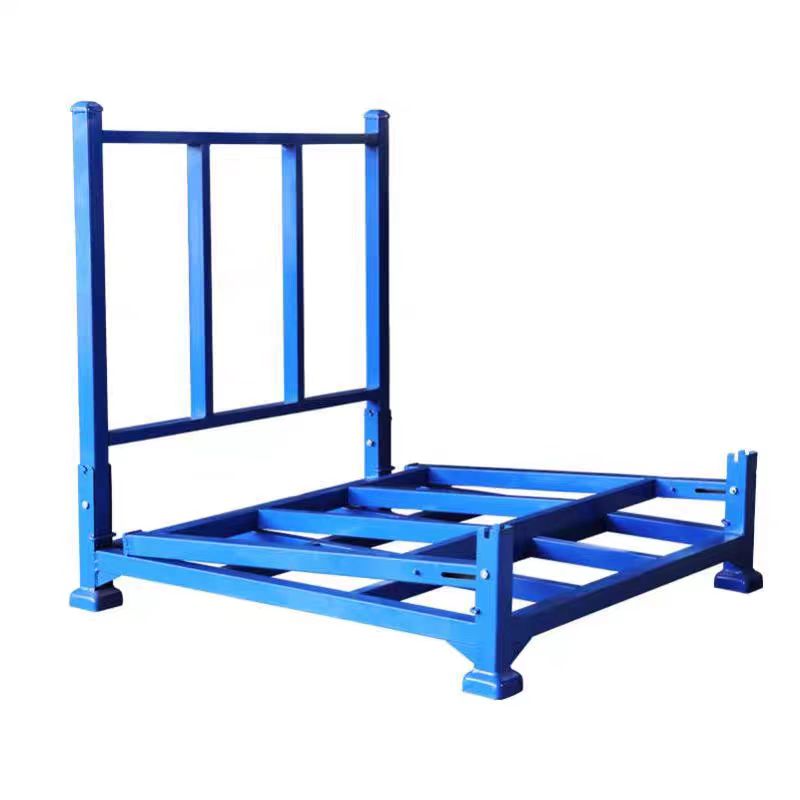
The survey is simple and quick. Record each pallet type in use: footprint, overall height with goods, entry height for forks, and where the weight sits, whether on stringers or block bases. Mixed fleets are common, so the rack plan is drawn per level, not per rack. A level that carries export pallets one month and heavy steel stillages the next needs its own opening and its own rating.
From that plan the beam openings follow. Clear entry height is set at the pallet height plus a safe lift margin, so a loaded pallet never drags across a beam. Step beams are sized so each pair carries its rated load with deflection kept inside accepted limits, and the upright pitch is locked so extra beam levels can be added later without cutting anything.
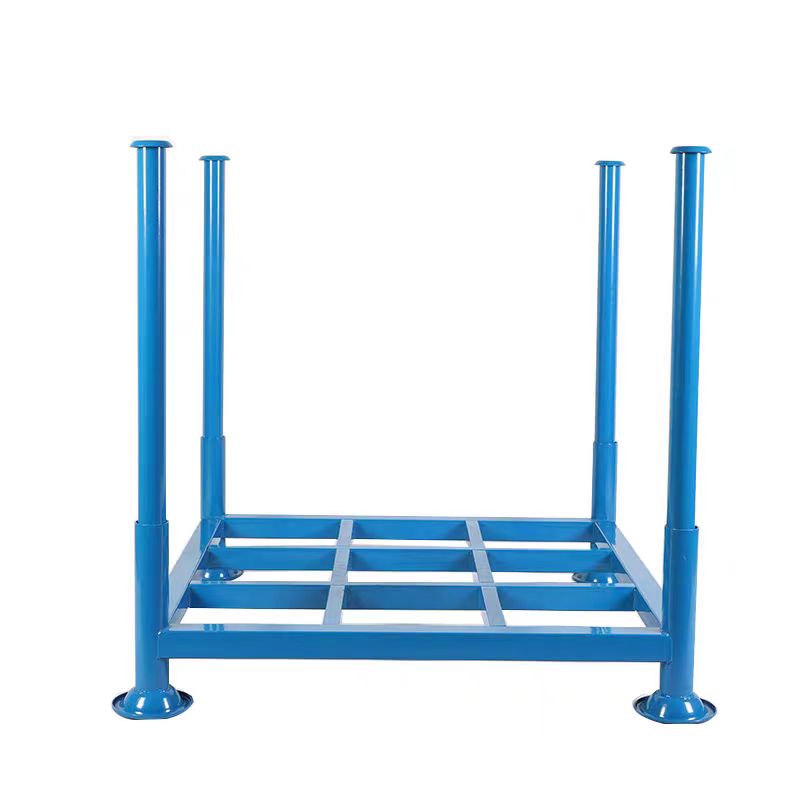
Frames are built around the same survey. Upright depth matches the pallet so overhang stays within safe limits, base plates carry the anchor bolt pattern specified for the slab, and column guards protect the front posts in every aisle end where trucks turn. Frames arrive pre-drilled and bolted on site with hand tools, so height changes stay possible through the life of the installation.
Size and colour are part of the planning, not decoration. Frame height stops below roof steel and sprinkler lines with the clearance the fire plan requires, and beam colours can follow a zoning scheme: one colour per area, per owner, or per picking priority, so a truck driver reads the bay before entering it at speed.
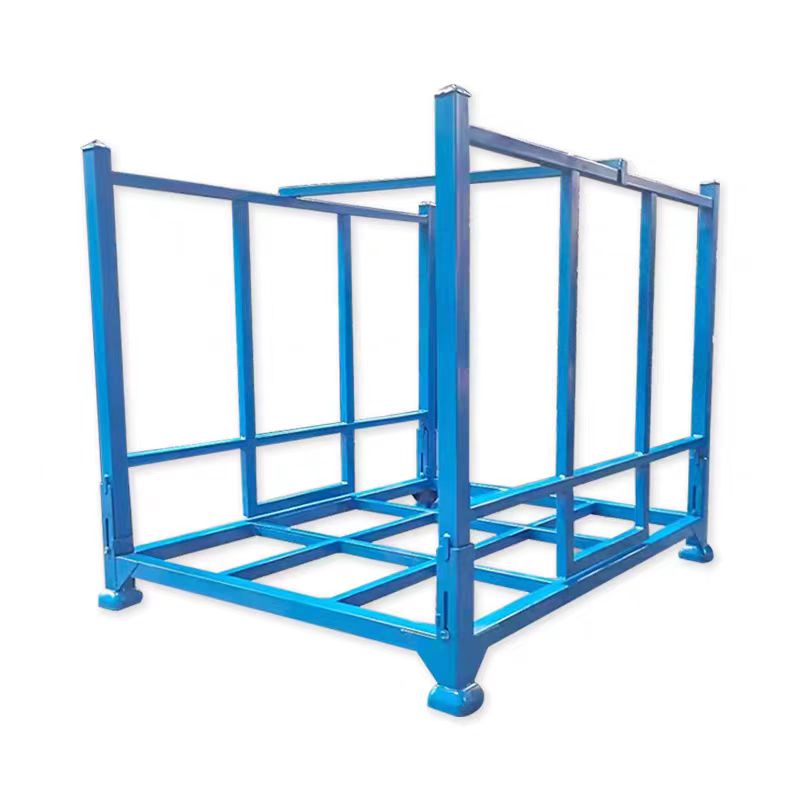
Finish and material are stated plainly. Frames and beams are structural steel with an electrostatic powder coating that resists chips and corrosion in a normal warehouse climate, and the colour is baked evenly across every surface. There are no mixed material claims here: steel does the carrying, and the coating does the protecting. Frame colours can be matched to existing site equipment on request.
Installation ends with verification. Each level is proof loaded before the first pallet goes up, anchor bolts are torque checked, and every beam pair is fitted with a load rating label. A simple annual inspection then keeps the system honest: uprights plumb, bolts tight, labels legible. The rack that results is not a catalogue item but a storage system drawn around the pallets it will actually carry.


