


| Quantity: | |
|---|---|
Metal
TOYOE
A pallet rack in an auto parts warehouse is not just steel that holds weight. It is a system of positions, and how those positions are planned decides how fast parts move. Stamped panels, sub-assemblies and boxed components all turn over at different rates, so the rack layout has to follow the flow of the parts rather than the other way round. This rack range is specified with that planning in mind, from beam pitch to position marking.
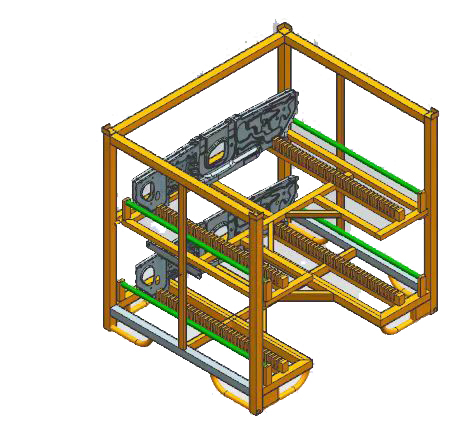
Beam pitch is the first decision. Levels are set to match the pallet height plus working clearance, so a loaded pallet slots in without scraping the beam above and vertical space is not wasted on gaps that nothing uses. Beams adjust without dismantling the frame, and each level carries 50 to 200 kg depending on the configuration, sized on Q235B cold-rolled steel with a capacity review against the heaviest pallet in the plan.
Every storage position is numbered. Locations are labelled by row, bay and level, so a put-away instruction ends in one physical place and a misplaced pallet stands out instead of hiding among similar ones. For warehouses running a system, the same numbering maps directly into stock records, and for those running on paper it still gives pickers an unambiguous address to work from.
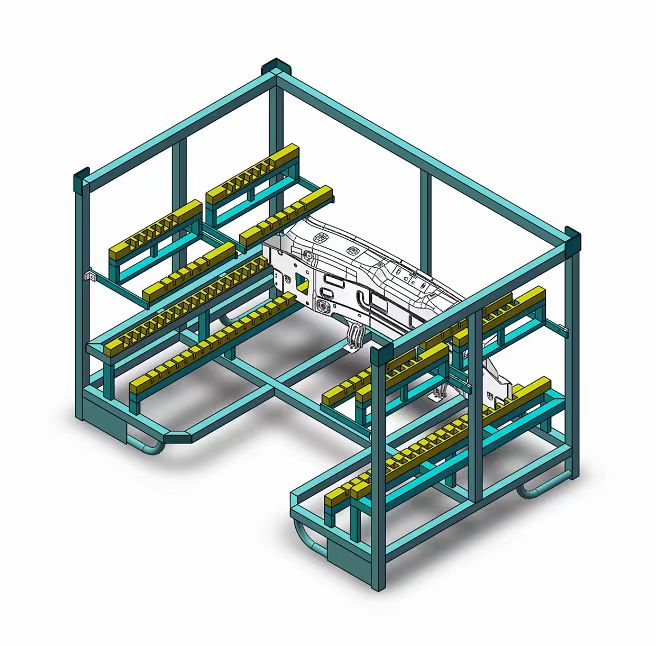
Height is zoned by turnover. Frames adjust up to 5 metres, with fast moving parts held at pick height where a forklift reaches them in one move, and bulk or slow stock stacked above. Aisle width and rack depth are matched to the truck fleet on site, because a layout that ignores the forklift mast turns every third pallet into a double handling job.
The structure is bolted and modular, so the layout can evolve with the warehouse. Beam levels re-pitch when pallet sizes change, bays extend along a wall as stock grows, and a rack can be relocated or rebuilt at a new site without cutting steel. Parts of the frame stay standard, which keeps spares simple and repairs fast.
Finish follows function. Powder coating in blue, orange or grey stands up to indoor warehouse duty, and the colours can be assigned as zoning rather than decoration: one colour per flow, per customer or per storage condition, so the rack itself tells operators where a pallet belongs before anyone reads a label.
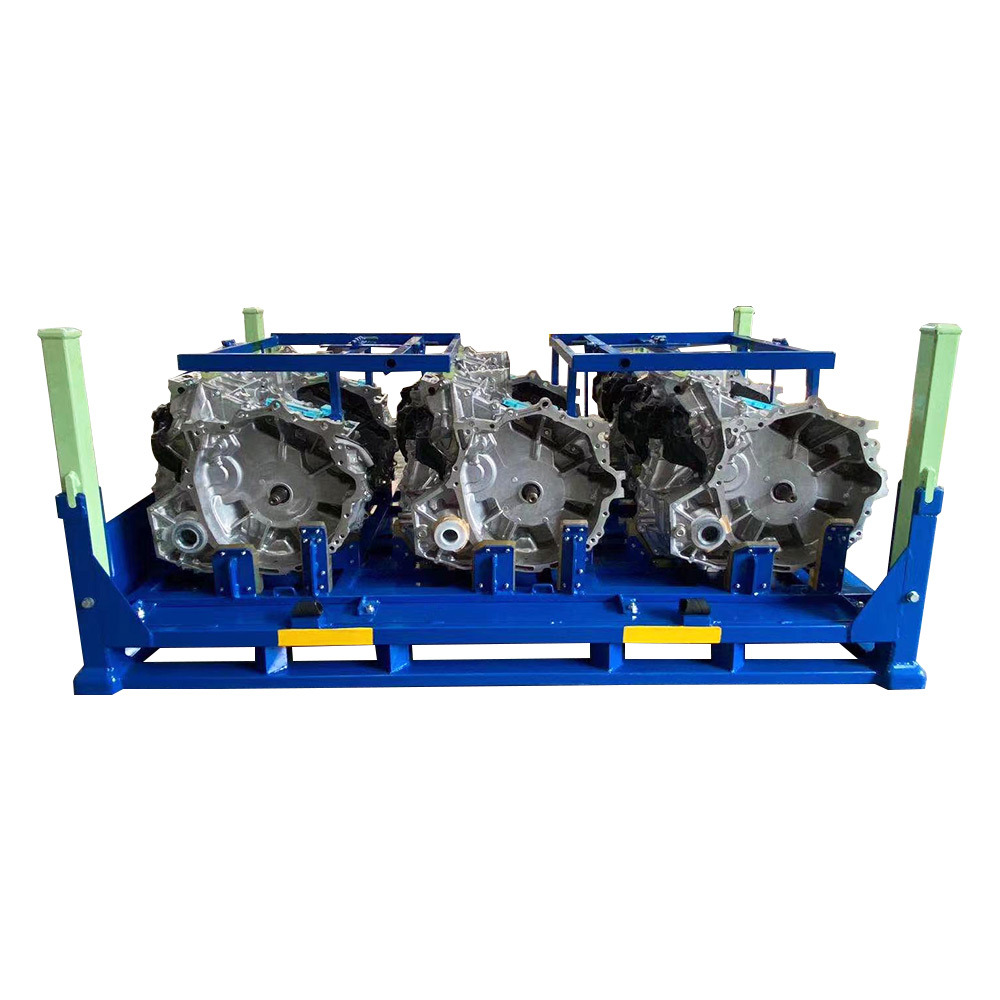
Installation and acceptance are treated as part of the product. Bays assemble with standard tools in a short sequence, and each installed rack is checked for level, bolt torque and beam engagement before it takes its first load. With rated capacities confirmed, numbered positions in place and the layout matched to the trucks that serve it, the rack runs as planned instead of slowly turning into improvised storage.


