


| Quantity: | |
|---|---|
Plastic
TOYOE
An organizer earns its place on the floor only if its compartments match the parts that actually sit in it. Fixed grid boxes force small components to rattle in oversized cells, and force a new purchase whenever the product mix changes. A hollow board organizer with a divider slot system takes the opposite path: the box is a shell, and the slots decide the layout, so the same box serves a new family of parts without buying anything new.
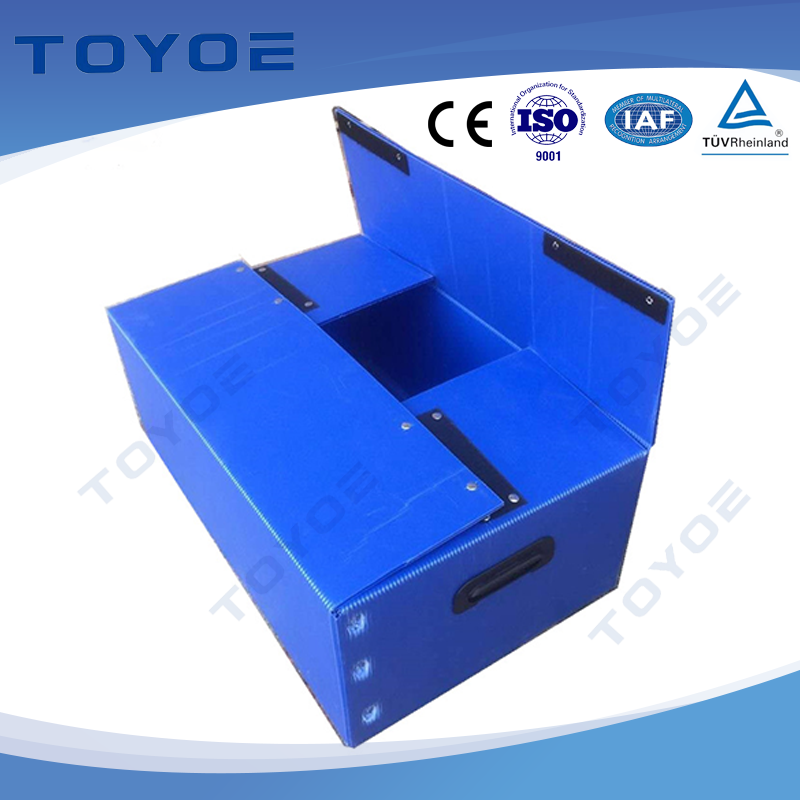
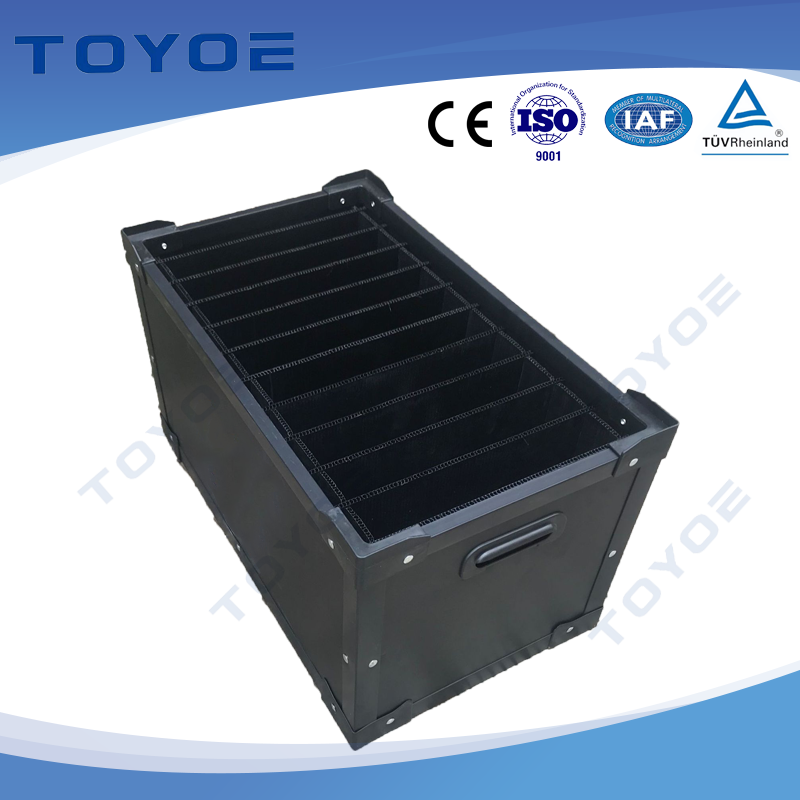
The slot system is simple. Guide grooves are formed into the walls and the centre spine at a fixed pitch, and dividers slide into any pair of grooves to create the cell width a part needs. Rebuilding a grid is a hands only job: pull a divider out, drop it one slot over, and the compartment map is changed in a minute, between two batches if necessary.
Dividers are cut from the same hollow board as the shell. That keeps weights matched, edges clean after trimming, and costs low, because dividers are cut from offcuts of the very boards that form the boxes. Divider height is set a few millimetres below the cell, so a lid or a stacked box above closes flat without pressing on the parts.
Ventilation and sealing are decided per application. Perforations on the sides release moisture when the load breathes, which matters for treated seedlings, cut flowers and coated parts fresh from a wash line, and the same holes drain standing water. Where dust must stay out, an unperforated shell with a closed lid does that instead, and one box design covers both needs.
The board itself carries the daily abuse. PP hollow board is light in the hand, does not absorb water the way cardboard does, wipes clean after contact with treatment sprays or cutting fluids, and holds its shape through repeated wet and dry cycles. Cells stay square, printed labels stay legible, and a dividers layout that survived last season survives this one.
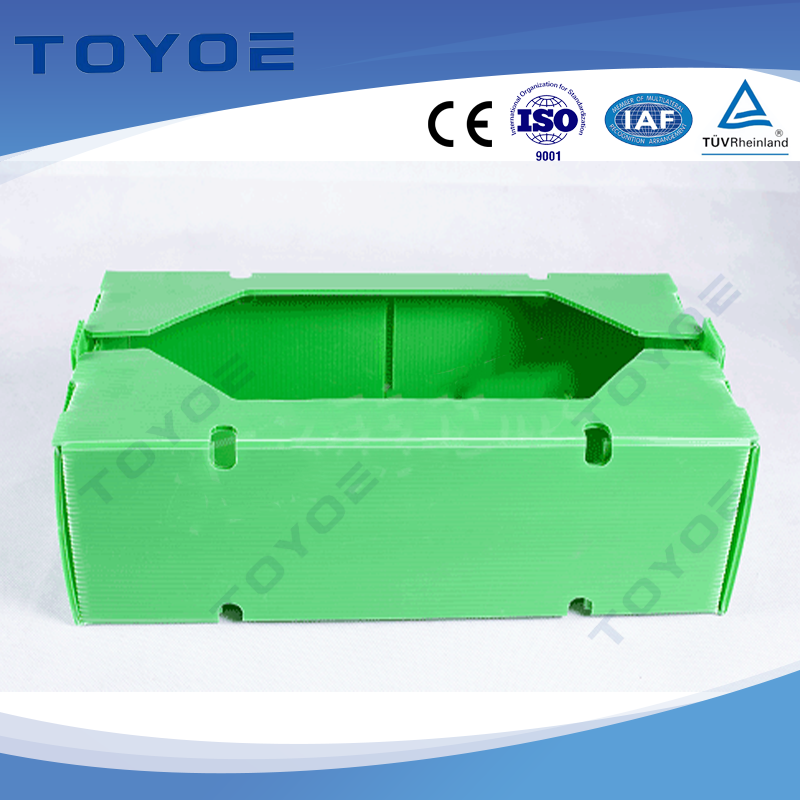
Return logistics stay cheap as well. Empty organizers nest flat, so a truck that delivered full boxes carries a much taller stack of empties home, and dividers travel inside the shell they belong to. Colour coded boards keep each customer or cell assigned to its own fleet, and part numbers printed on the spine make the grid readable at a glance.
Verification closes the loop. Divider retention is pull tested so cells hold their width under vibration, loaded boxes are dropped from handling height to confirm the grid protects its contents, and slot wear is cycled through repeated rebuilds. The result is an organizer that changes as often as the product mix does, with nothing to weld, glue or replace.


