
Views: 0 Author: Site Editor Publish Time: 2026-08-30 Origin: Site
Selecting the wrong storage infrastructure for automotive components leads to damaged inventory, compromised warehouse safety, and inefficient space utilization. At the decision stage, facility managers and logistics directors must move past generic storage options and evaluate application-specific solutions based on load dynamics, part geometry, and facility constraints. Making the correct choice protects sensitive components and optimizes demanding supply chain workflows. You cannot rely on guesswork when handling heavy engines or fragile body panels. This guide provides a framework for evaluating rack types, defining technical specifications, and mitigating implementation risks before finalizing procurement. We will explore material choices, structural limits, and critical vendor vetting steps. You will learn how to align your warehouse capabilities with specialized automotive storage demands safely and effectively.
You must establish clear parameters before sourcing any automotive parts rack. Every automotive facility operates differently. Generic racks fail when they encounter the rigorous demands of modern automotive manufacturing. Facility managers must conduct detailed audits to ensure safe component handling.
Inventory Profiling
Categorize parts by weight, volume, and fragility. Automotive components vary wildly in shape and mass. Dense engine blocks require robust structural support. Irregular exhaust systems need custom bracing to prevent shifting during transit. Scratch-sensitive Class-A exterior panels demand specialized dividers. You should group your inventory into distinct profiles. This helps you identify exactly what structural supports your racks require. Misjudging part geometry often leads to catastrophic transit damage.
Workflow Dynamics
Determine the primary use case for your storage equipment. You must decide if the rack will handle static warehouse storage. Alternatively, they might serve assembly line line-side feeding. Many systems also facilitate closed-loop transit between Tier-1 suppliers and OEMs. A line-side rack must prioritize ergonomic access for assembly workers. Conversely, a transit rack must prioritize space efficiency inside standard truck trailers. Understanding workflow dynamics ensures you match the equipment to the operational flow.
Facility Constraints
Warehouse infrastructure dictates what you can safely deploy. Assess your facility constraints carefully.
Concentrated heavy loads can crack concrete slabs if you ignore floor limits. Engineers must review these constraints before approving any rack system.
Selecting the right material foundation dictates long-term reliability. We compare the three dominant solution categories utilized across automotive logistics.
A standard metal pallet rack handles extreme industrial demands. They represent the backbone of heavy automotive warehousing.
Metal racks provide unyielding support. However, they demand strict maintenance protocols to prevent structural decay over time.
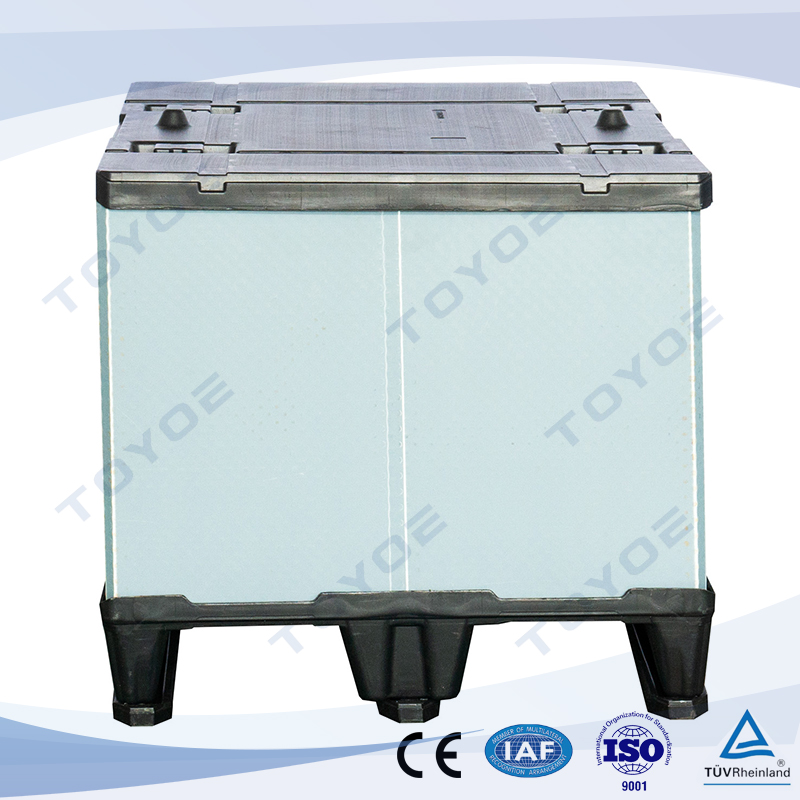
Plastic solutions have revolutionized component transport. They offer agility where metal struggles.
Plastic boxes streamline transit logistics. They keep small, sensitive parts secure and organized throughout the supply chain.
Sometimes, neither pure metal nor pure plastic works perfectly. You must explore custom dunnage integration housed within standard metal frames. Specialized systems utilize fabric bags, molded foam, and PU dividers. These soft materials protect delicate surfaces. The outer metal frame maintains structural rigidity during transport. Hybrid racks solve the complex problem of shipping heavy yet easily scratched components like painted doors or instrument panels.
You cannot purchase storage equipment based on assumptions. Clearly defined automotive parts rack specifications prevent catastrophic structural failures.
Load Capacities
Require explicit data on static versus dynamic load ratings. Static capacity measures the resting weight limit on a warehouse floor. Dynamic capacity dictates the moving weight limit during forklift transport. Dynamic ratings are always significantly lower. Following these limits ensures OSHA compliance and guarantees structural safety. Overloading a dynamically rated rack causes immediate weld fractures.
Dimensional Tolerances
Ensure external dimensions match standard truck trailer widths. This maximizes space utilization during shipping. Internal dimensions must maximize SKU density. Every wasted inch inside a container increases your overall freight footprint. Engineers must map the exact geometry of parts against the internal volume of the rack.
Stackability & Nesting
Evaluate stacking pin designs and target stacking heights. Most automotive facilities target G+2 (ground plus two) or G+3 configurations. You must also calculate nesting ratios for empty return transit. Efficient nesting reduces the physical space required for return shipping. This significantly drops reverse logistics expenses.
Surface Treatment
Weigh powder coating against hot-dip galvanizing. Your choice depends entirely on indoor versus outdoor storage realities. Powder coating provides a clean finish for indoor line-side racks. Hot-dip galvanizing offers aggressive corrosion resistance for outdoor yard storage.
Common Rack Specification Metrics
| Specification Category | Critical Consideration | Typical Industry Standard |
|---|---|---|
| Static Load Capacity | Maximum resting weight | 1,500 kg - 3,000 kg per unit |
| Dynamic Load Capacity | Maximum transport weight | 500 kg - 1,200 kg per unit |
| Nesting Ratio | Space saved on empty returns | 3:1 up to 5:1 reduction |
| Trailer Optimization | Width alignment for standard trucks | Usually 1,200mm or 2,400mm footprints |
Even perfectly designed racks fail if you ignore implementation realities. Facility managers routinely overlook three operational hazards during the procurement phase.
Inadequate Floor Protection
Heavy metal racks create massive point loads. Failure to specify widened footplates leads to cracked warehouse concrete over time. A standard narrow footplate drives immense pressure into a small area. We recommend oversized, load-spreading footplates to lower the PSI. Repairing a shattered concrete slab halts warehouse operations for weeks. Prevent this by engineering the base correctly from the start.
Forklift Incompatibility
Overlooking tine spacing and entry angles causes severe daily inefficiencies. Forklift operators struggle to engage poorly designed fork pockets. This results in accidental puncture damage to plastic bins and metal frames. You must measure your existing forklift fleet. Provide the manufacturer with your exact fork dimensions. Proper entry guides speed up loading times and reduce impact damage.
Lack of Modularity
Investing in highly specific racks for a single vehicle program carries massive risks. Parts change when the next model year arrives. If your racks lack modularity, you cannot reconfigure or retrofit them. They become useless scrap metal. Always demand adjustable dividers and removable dunnage. Modular designs ensure you can adapt the same external frame for future component designs.
Partnering with the right manufacturer dictates project success. Evaluating an automotive parts rack supplier requires strict vetting procedures.
Engineering and Customization
Ask if the supplier offers in-house CAD design. They must also perform structural load simulations before fabrication. Software testing reveals stress points before cutting any metal. If a vendor skips digital stress testing, they are guessing at safety limits. We demand empirical data proving the rack handles specified loads under movement.
Prototyping Policy
A trustworthy supplier will produce a physical prototype. You need this for a test fit with actual automotive components before mass production. Do not approve a massive production run based on a drawing. Insert your heaviest, most awkward part into the physical prototype. Check clearances, operator ergonomics, and nesting functionality.
Quality Assurance & Compliance
Check for recognized ISO certifications. You must also request their documented weld-testing procedures. Automotive racks endure constant vibration and impact. Weak welds fail rapidly. Reputable vendors test their welds using penetrant inspections or digital radiography.
Lead Times & Scalability
Assess the supplier's raw material sourcing stability. You must know their ability to scale up production. If a new vehicle program accelerates, you need racks quickly. Ask about their maximum monthly capacity. Discuss how they handle sudden volume spikes to protect your production timeline.
Sourcing an automotive parts rack is a precise engineering decision, not just a basic purchasing task. Success requires matching material types to exact part geometry. You must strictly define static and dynamic load specifications to guarantee warehouse safety. Do not overlook the operational realities of your forklift fleet and concrete floor limits. Partnering with a manufacturer who insists on prototyping and load simulation eliminates costly implementation errors.
Your next step action is clear. Conduct an immediate inventory audit of your top 20% heaviest and most awkwardly shaped SKUs. Map your facility's floor capacity and forklift dimensions. Once you gather this data, request a custom structural prototype from a shortlisted supplier to validate your technical assumptions.
A: Distribute weight using engineered dunnage and specify heavy-duty wire decking. Ensure the rack uses oversized, load-spreading footplates to lower the PSI on the concrete. Properly designed bases disperse massive point loads, saving your foundation.
A: Standard racks are ideal for boxed inventory and uniformly palletized goods where speed of delivery and cost are priorities. Custom racks are strictly necessary for irregular, fragile, or unbalanced automotive components that standard racks cannot safely secure.
A: Static capacity refers to the maximum weight a rack can hold while stationary on the floor. Dynamic capacity is the much lower weight limit it can safely support while being lifted, moved, or transported by a forklift.

