
Views: 952 Author: Site Editor Publish Time: 2026-01-23 Origin: Site
Are you struggling to find the right warehouse racking for your business? Understanding warehouse racking costs is crucial for effective storage solutions. The price can vary significantly based on several factors, including type and customization options.
In this post, you’ll learn about the different types of warehouse racking, their costs, and key factors that influence pricing. We’ll also provide tips on how to budget effectively for your warehouse needs.
Warehouse racking refers to the systems used to store goods and materials in a warehouse. These structures help maximize space and improve organization, making it easier to access products. By effectively utilizing vertical space, warehouse racking systems are essential for any business that relies on inventory management.
There are several types of warehouse racking systems, each designed to meet specific storage needs. Here’s a quick overview of the most common types:
Racking Type | Description | Best For |
Selective Pallet Racking | Offers easy access to each pallet. Ideal for warehouses with a wide variety of SKUs. | General warehousing |
Drive-In Racking | Allows loading and unloading from one side, maximizing storage density. | High-density storage |
Push-Back Racking | Stores pallets several deep, allowing for high turnover of inventory. | Fast-moving products |
Pallet Flow Racking | Uses gravity to move pallets forward, perfect for FIFO operations. | High-volume inventory |
Cantilever Racking | Designed for long or bulky items, such as pipes or lumber. | Storing irregularly shaped goods |
Choosing the right type of warehouse racking is crucial for operational efficiency. For instance, if a warehouse frequently handles diverse products, selective pallet racking might be the best choice. It allows quick access to individual items, reducing the time spent searching for products. Alternatively, if the focus is on maximizing storage space, drive-in racking can be a more suitable option, as it allows for higher density storage.
Selecting the appropriate warehouse racking system impacts not only storage capacity but also workflow efficiency. An efficient racking system can streamline operations, reduce handling times, and enhance safety.
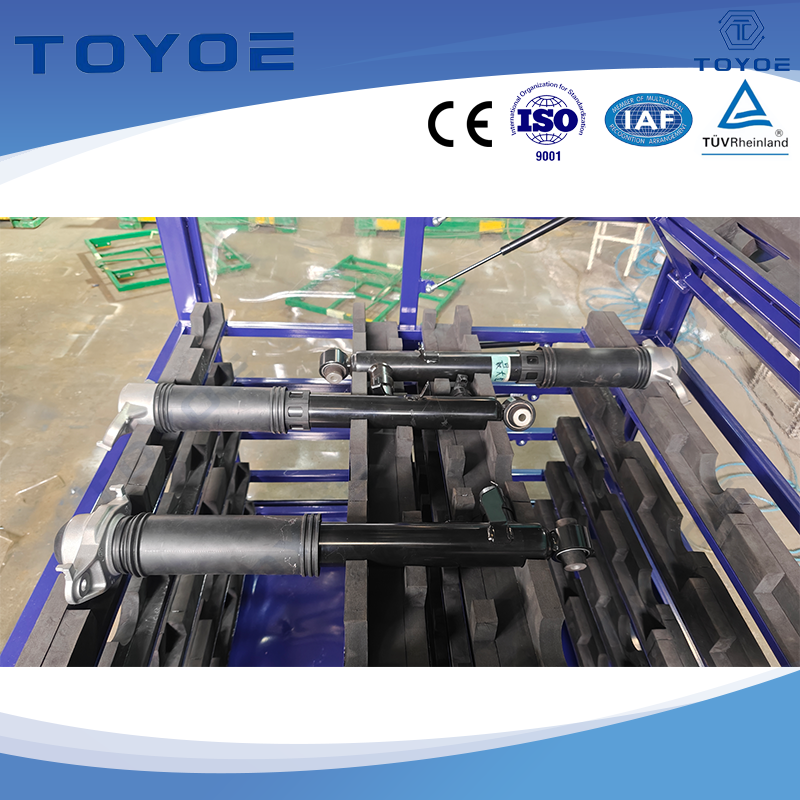
For example, Fenghui Logistics Equipment Co., Ltd. specializes in various warehouse racking solutions tailored specifically for the automotive industry. Their Auto Parts Material Racks are designed to optimize storage for automotive components, ensuring that items are organized and easily accessible. This focus on tailored solutions emphasizes the importance of choosing a racking system that aligns with the specific needs of your business.
In summary, understanding warehouse racking and its various types is essential for effective inventory management. The right system can lead to improved organization, increased efficiency, and ultimately, cost savings for your business.
Understanding the costs associated with warehouse racking is essential for effective budgeting. Several key factors influence these costs, including the type of racking system, load capacity, material quality, customization options, purchase quantity, installation costs, and additional expenses. Let’s dive into each of these factors.
There are various types of warehouse racking systems, each serving different needs. Here’s a breakdown of the most common types:
Racking Type | Cost Range (per pallet position) | Best Uses |
Selective Pallet Racking | $55 - $200 | General warehousing, high SKU variety |
Drive-In Racking | $115 - $500 | High-density storage |
Push-Back Racking | $150 - $400 | Medium to high SKU turnover |
Pallet Flow Racking | $200 - $450 | FIFO operations, high throughput |
Fenghui Logistics Equipment Co., Ltd. offers specialized solutions like Auto Parts Material Racks and Tesla-Specific Transport Racks, ensuring that businesses in the automotive sector can optimize their storage effectively.
Load capacity is another critical factor affecting warehouse racking costs. Heavy-duty racks, designed to support significant weight, typically cost more than light-duty options. For example, heavy-duty racks might be constructed with thicker materials and reinforced designs, which contribute to higher costs.
Fenghui’s Heavy-Duty Automotive Parts Shelving is an excellent example of a product designed to handle substantial loads, ensuring durability and reliability in busy warehouse environments.
The materials used in warehouse racking play a significant role in determining costs. Common materials include galvanized steel and painted steel, each offering different benefits.
● Galvanized Steel: Known for its corrosion resistance, making it ideal for humid environments.
● Painted Steel: Often less expensive but may require more maintenance over time.
Fenghui emphasizes using high-quality materials in their racking systems, ensuring longevity and reducing long-term maintenance costs.
Customization is essential for meeting specific storage needs. Many businesses require racks tailored to fit their unique inventory requirements. Customization can significantly impact pricing, as it often involves additional design and production processes.
For instance, Fenghui offers Customized Material Racks for Automotive Air Conditioning and a GPS Positioning Warehouse Material Rack System. These tailored solutions enhance efficiency and organization, justifying the additional costs associated with customization.
Bulk purchasing can lead to significant savings. When businesses order larger quantities of warehouse racking, they often benefit from discounts. This is especially true for companies like Fenghui, which can provide favorable pricing due to their integrated production capabilities.
For example, ordering 100 pallet positions might yield a 20% discount, while 500 positions could offer a 30% discount.
Installation costs are another vital consideration. Professional installation ensures that racking systems are set up correctly and safely, which can prevent future issues. DIY installation might seem cost-effective initially, but it often leads to complications if not done properly.
Fenghui provides a one-stop service model, including installation guidance, which can help businesses avoid the pitfalls of improper setup.
Finally, additional costs such as permits, delivery fees, and maintenance should be considered in the overall budget. Permits may be required for certain racking systems, especially those exceeding specific heights. Delivery fees can vary based on distance and order size, while maintenance costs can add up over time.
By understanding these key factors, businesses can make informed decisions when investing in warehouse racking systems, ultimately leading to better operational efficiency and cost management.
When considering warehouse racking, understanding the average costs is crucial for budgeting. Different types of racking systems come with varying price tags, and knowing these can help you make informed decisions. Let's break down the costs associated with various racking types and explore how they apply to a typical warehouse setup.
The cost of warehouse racking varies significantly based on the type. Here’s a detailed breakdown of the average costs per pallet position for popular racking systems:
Racking Type | Cost Range (per pallet position) | New vs. Used |
Selective Pallet Racking | $55 - $200 | New: Higher cost, Used: Lower cost |
Drive-In Racking | $115 - $500 | New: Premium, Used: Cost-effective |
Push-Back Racking | $150 - $400 | New: More expensive, Used: Cheaper |
Pallet Flow Racking | $200 - $450 | New: Higher investment, Used: Savings |
Selective pallet racking is often the most cost-effective option, making it a popular choice for many warehouses. Drive-in racking, while more expensive, provides high-density storage, which can be beneficial for businesses looking to maximize space.
To give you a clearer picture, let’s consider a standard warehouse size of 25,000 square feet. Assuming a layout that allows for efficient racking, here’s an example calculation based on different racking systems:
1. Selective Pallet Racking:
a. Average cost per pallet position: $100
b. Total pallet positions: 1,000
c. Total cost: 1,000 x $100 = $100,000
2. Drive-In Racking:
a. Average cost per pallet position: $300
b. Total pallet positions: 500
c. Total cost: 500 x $300 = $150,000
3. Push-Back Racking:
a. Average cost per pallet position: $250
b. Total pallet positions: 600
c. Total cost: 600 x $250 = $150,000
4. Pallet Flow Racking:
a. Average cost per pallet position: $325
b. Total pallet positions: 400
c. Total cost: 400 x $325 = $130,000
This example illustrates how costs can vary significantly based on the type of racking system chosen. For instance, opting for selective pallet racking can lead to substantial savings compared to drive-in racking, especially in a larger warehouse.
Fenghui Logistics Equipment Co., Ltd. provides a range of racking solutions tailored to meet various storage needs, ensuring businesses can find the right fit for their operations. Whether you need a cost-effective solution or a high-density storage option, understanding these cost ranges will help you make the best decision for your warehouse.
Finding ways to cut costs on warehouse racking is essential for maintaining a healthy budget. Fortunately, there are several strategies businesses can employ to save money while still getting quality racking solutions. Here are some practical tips to consider.
Purchasing used or reconditioned racking can be a smart way to save money. Many businesses upgrade their systems, leaving high-quality racking available at a fraction of the original cost.
When considering used racking, it’s important to ensure quality and compliance with safety standards. Always check for certifications and inspect the racks for any signs of damage or wear. Reputable suppliers often offer warranties on reconditioned equipment, providing peace of mind and assurance of safety.
Ordering in bulk can lead to significant savings. Many suppliers offer discounts for larger orders, which can help reduce the overall cost per pallet position.
Here’s a general guideline for suggested order quantities:
Order Quantity | Potential Discount |
50 - 100 | 10% |
100 - 250 | 15% |
250+ | 20% or more |
By planning your purchases strategically, you can take advantage of these bulk discounts, making it more economical to equip your warehouse.
Opting for standard rack sizes is another effective way to reduce costs. Standard sizes are widely produced and readily available, meaning they often come at a lower price than custom options.
The benefits of standard sizes include improved availability and quicker delivery times. Additionally, using standard sizes can simplify installation and reduce potential compatibility issues with existing systems.
Obtaining quotes from different vendors is crucial for finding the best deal. Each supplier may offer different pricing structures, warranties, and services, so it’s essential to compare these factors.
When comparing quotes, consider the following:
● Total Cost: Look at the complete price, including shipping and installation.
● Quality of Materials: Ensure that the racking systems meet your durability needs.
● Customer Service: Evaluate the support offered post-purchase.
Fenghui Logistics Equipment Co., Ltd. is a great place to start, as they provide tailored quotes and advice based on your specific requirements. By reaching out to multiple suppliers, you can ensure you’re getting the best value for your investment in warehouse racking.
Implementing these tips can help you effectively manage your warehouse racking costs while ensuring you maintain a safe and efficient storage environment.
Understanding warehouse racking costs is crucial for effective budgeting. It helps businesses optimize storage solutions and improve efficiency.
Before making a purchase, evaluate your specific needs and budget carefully. This ensures you select the right racking system for your operations.
Don’t hesitate to contact suppliers for tailored quotes and expert advice. They can guide you in making the best decision for your warehouse.
A: Selective pallet racking is often the most cost-effective option, with costs ranging from $55 to $200 per pallet position.
A: Permit requirements vary by location. Always check local regulations to ensure compliance before installation.
A: While DIY installation can save money, hiring professionals ensures safety and proper setup, reducing future issues.
A: Consider factors like racking type, load capacity, material quality, customization, and installation costs for accurate estimates.

