
Views: 0 Author: Site Editor Publish Time: 2026-01-01 Origin: Site
Bulk containers with lids are crucial for businesses managing large volumes of goods. They offer security, freshness, and protection, making storage and transport more efficient.
In this article, we will explore how to choose the right bulk containers with lids for your needs. You’ll learn about key factors like material, size, lid type, and sustainability to help you make the best decision.
When selecting bulk containers with lids, the material of the container is crucial for its functionality and longevity. The material should be chosen based on the specific needs of your operation.
Material | Key Features | Best Use Case |
Plastic | Durable, lightweight, resistant to impact and chemicals | General use, food storage |
Metal | High durability, resistant to corrosion | Heavy-duty industrial, hazardous chemicals |
Glass | Non-porous, odorless, chemically inert | Food storage, maintaining product purity |
Eco-Friendly | Recyclable or biodegradable materials | Sustainability-focused businesses |
Choosing the right size and capacity for your bulk containers is critical to ensure efficiency in storage and transportation.
● Volume and Weight Capacity: Containers should be large enough to store your items without being overfilled. Overloading containers can lead to inefficiency, damage, or spills.
● Footprint and Height: Make sure the container fits the available storage space, including shelves, pallets, or automated systems. It’s essential to measure your space and match it with the appropriate container dimensions.
● Type of Items Stored: Consider the nature of the products—whether they are liquids, solids, or chemicals. Each type of product may require a different size or shape of container for safe and efficient storage.
For limited storage space, opting for nestable or stackable containers can help maximize efficiency. These designs allow for better organization and use of vertical space.
The lid is a vital feature of bulk containers, as it ensures the safety and protection of stored items. Different lid types are designed for various uses:
Leak-Proof and Spill-Proof Lids: Essential for liquids or volatile materials, these lids ensure a secure seal to prevent spills and contamination. Look for rubberized seals or locking mechanisms.
Easy-to-Open and Secure Lids: Depending on your operational needs, you may require lids that are easy to open and close while still ensuring they stay secure during transport.
Vented Lids: For items that require ventilation, such as harvested crops or cooling products, vented lids allow air circulation and help maintain freshness. These containers are especially beneficial in environments where temperature control and moisture management are key.
Lid Type | Best Use Case |
Leak-Proof & Spill-Proof | Liquids, volatile materials |
Easy-to-Open & Secure | General use, transportation |
Vented | Harvested crops, cooling products |
Containers with tamper-evident lids provide an added layer of security, especially when shipping sensitive materials or handling high-value products.
The food industry requires specific features when choosing bulk containers with lids. Food safety is a primary concern, and containers must meet hygiene standards to ensure the safe storage and transportation of food products.
● FDA-Compliant Materials: Choose containers made from food-safe, FDA-approved materials. Plastic containers, such as those made from HDPE or PP, are often preferred due to their durability and safety.
● Ease of Cleaning: Containers should have smooth surfaces to make cleaning easier, preventing bacterial growth or contamination.
● Stackability: Stackable containers help optimize storage in commercial kitchens, warehouses, and distribution centers, allowing businesses to maximize available space.
Clear containers can also help businesses easily identify items without opening the lid, streamlining inventory management and improving operational efficiency.
Containers for pharmaceutical or chemical industries require heightened standards for safety, durability, and environmental resistance.
● Chemical Resistance: Containers should be made from materials like polypropylene (PP) that can withstand exposure to harsh chemicals and solvents.
● Sealing Integrity: In environments requiring high hygiene standards, the containers must offer excellent sealing capabilities to prevent contamination or spillage.
● Compliance with Regulations: Containers should meet regulatory standards for pharmaceutical and chemical handling, ensuring safe storage and transport.
Heavy-duty containers with tamper-evident seals offer an additional layer of protection, preventing contamination during transportation and ensuring compliance with industry standards.
Bulk containers play a key role in the agricultural sector, helping with the storage and transportation of harvested crops and produce. They must be durable and able to withstand the rigors of the farm environment.
● Ventilation: Vented containers help products like fruits, vegetables, and grains breathe, preventing mold and spoilage.
● Size and Shape: Depending on the type of produce, containers should be sized to prevent bruising or damage. For example, larger containers may be needed for bulk grains, while smaller containers are more suited for delicate fruits.
● Weather Resistance: Containers used outdoors should be resistant to UV light and extreme temperatures to maintain durability.
Stackable and vented containers are ideal for agricultural use, as they allow for better airflow and make storage and transportation more efficient.
Industry | Key Features |
Food Industry | FDA-compliant, easy to clean, stackable |
Pharmaceutical & Chemical | Chemical resistance, sealing integrity, regulatory compliance |
Agriculture & Farming | Ventilation, size/shape variety, weather resistance |
When dealing with bulk containers, maximizing storage space is key. Stackable containers allow you to efficiently store large quantities of items without wasting space.
● Stackable Designs: Containers that can stack securely help make the most of vertical storage space, making it easier to organize and access materials.
● Nesting Designs: Containers that nest when empty save space during transport and storage, reducing shipping costs.
Design Type | Key Benefit |
Stackable | Maximizes vertical storage space |
Nesting | Saves space during transport/storage |
By choosing containers that are both stackable and nestable, you can optimize your storage space and improve operational efficiency.
Choosing containers that are easy to handle is essential to streamline operations. Whether you’re using manual labor, forklifts, or automated systems, the design of the container can impact your workflow.
● Forklift Compatibility: Ensure the container design allows for easy handling by forklifts or pallet jacks.
● Easy-to-Open Lids: Depending on your needs, select containers that offer easy access while keeping contents secure. Some containers feature hinged or drop-front lids, which allow easy access without removing the entire lid.
These user-friendly features help reduce handling time and improve overall operational efficiency.
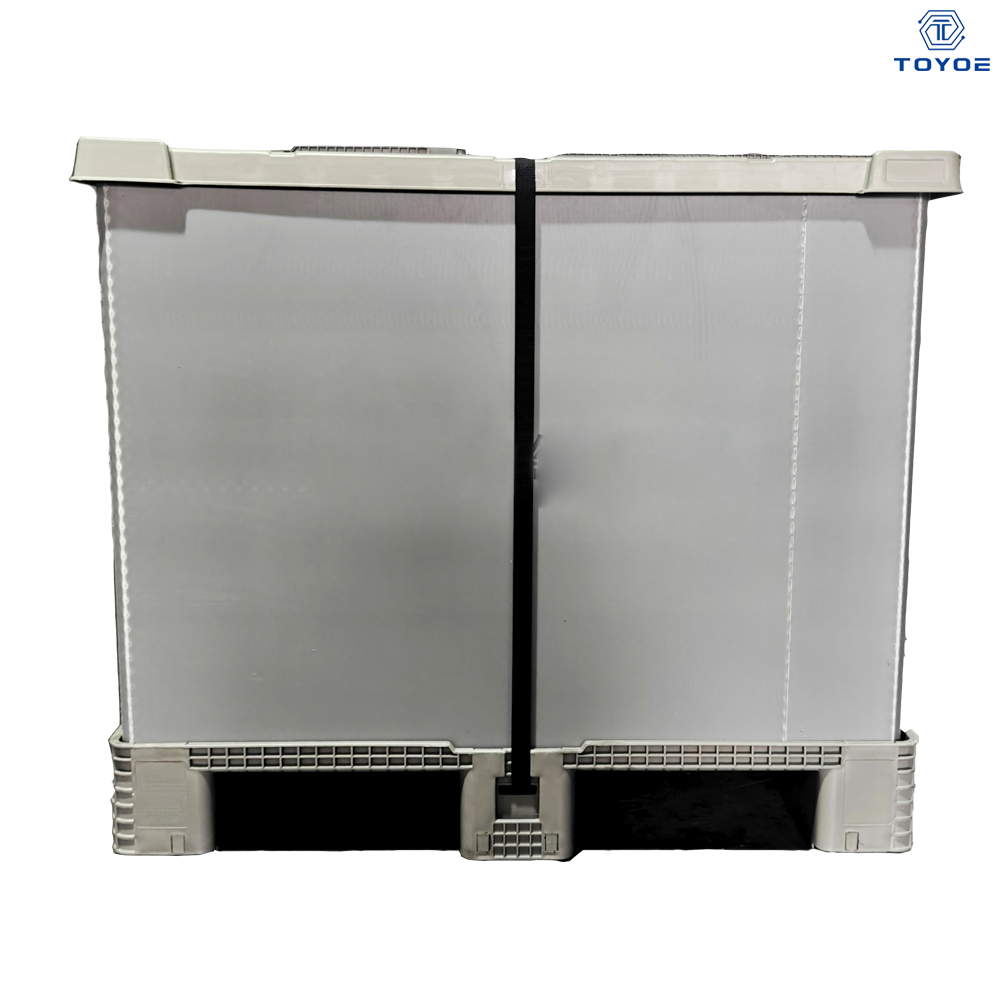
While bulk containers with lids may have a higher initial cost, their long-term value should not be overlooked. The durability and reusability of these containers can significantly reduce per-use costs over time.
● Durability: High-quality plastic containers last longer and withstand repeated use without cracking or degrading.
● Space and Shipping Efficiency: Choosing stackable or nestable containers can reduce storage and transportation costs by optimizing space.
Investing in durable containers will save money in the long run by reducing the need for replacements and repairs.
Selecting high-quality bulk containers can minimize the need for replacements and repairs, reducing maintenance costs in the long run.
● Long-Term Durability: Quality containers are designed to withstand handling and environmental stresses, ensuring they serve your business for many years.
By carefully selecting containers that meet your specific needs, you can ensure they provide a solid return on investment and improve the overall efficiency of your operations.
Sustainability is a growing concern for many businesses, and choosing eco-friendly materials for bulk containers can help minimize environmental impact.
● Recyclable Materials: Opt for containers made from recyclable materials like HDPE and PP to reduce waste and support sustainability efforts.
● Biodegradable Options: For single-use applications, consider containers made from biodegradable materials.
Partnering with suppliers who offer eco-friendly options can further enhance your sustainability efforts and help your business reduce its environmental footprint.
By choosing reusable bulk containers with lids, businesses can reduce their reliance on disposable packaging, lowering waste and operational costs.
Reusable containers are an investment that not only saves money over time but also aligns with environmental goals, reducing the need for constant disposal and waste generation.
Choosing the right bulk containers with lids is essential for businesses in logistics, food storage, agriculture, and chemicals. Considering material, size, lid type, and stackability ensures safety and supports sustainability. Though initial investment may be higher, quality containers offer long-term savings through durability. Zhangjiagang Fenghui logistics equipment Co., Ltd. offers high-quality containers that enhance operational efficiency, reduce waste, and help businesses comply with safety standards.
A: Bulk containers with lids are used for storing, transporting, and managing large quantities of goods. They ensure product safety, freshness, and protection from contaminants.
A: Consider the material, size, lid type, and stackability of bulk containers with lids to ensure they meet your storage, safety, and sustainability needs.
A: Bulk containers with lids offer secure storage, prevent spills, and protect contents from contamination, improving operational efficiency and safety.
A: The cost of bulk containers with lids varies depending on material, size, and design. While the initial investment may be higher, quality containers provide long-term savings through durability.
A: Yes, many bulk containers with lids are made from FDA-approved materials, making them suitable for food storage while maintaining hygiene and safety standards.

