
Views: 312 Author: Site Editor Publish Time: 2026-01-26 Origin: Site
Have you ever considered how crucial warehouse racking is to your operations? Properly maintained racks ensure safety and efficiency in any warehouse.
In this article, we’ll explore the importance of inspecting warehouse racks. We’ll discuss common safety concerns, operational impacts, and compliance with regulations.
You’ll also learn how regular inspections can prolong the lifespan of your racking systems. Plus, discover insights from Zhangjiagang Fenghui Logistics Equipment Co., Ltd., a leader in warehouse racking solutions.
Inspecting warehouse racks effectively requires the right tools and safety precautions. Let's explore what you need to prepare for a thorough inspection.
To start, gather these essential tools before you begin your inspection:
Tool | Purpose |
Flashlight | Illuminates dark areas, helping you spot issues easily. |
Tape Measure | Measures deflection and aisle widths accurately. |
Level | Ensures uprights are plumb and beams are level. |
Documentation Tools | Use a checklist, camera, or smartphone to record findings. |
These tools are vital for ensuring that every aspect of the rack system is evaluated properly. Having them on hand allows you to identify problems quickly, enhancing the overall safety of the warehouse.
Safety is paramount during any inspection. Here are some key precautions to keep in mind:
● Personal Protective Equipment (PPE): Always wear appropriate PPE, including hard hats, safety glasses, gloves, and steel-toed boots. This gear can protect you from potential hazards while inspecting racks.
● Importance of Safety During Inspections: Inspections can involve climbing ladders or working in tight spaces. Ensure you are aware of your surroundings and follow safety protocols. For instance, if you’re using a ladder, make sure it’s stable and positioned correctly to prevent falls.
By prioritizing safety and having the right tools, you set the stage for a successful warehouse rack inspection. It’s essential to approach this task with diligence and care, ensuring that both you and the warehouse environment remain safe.
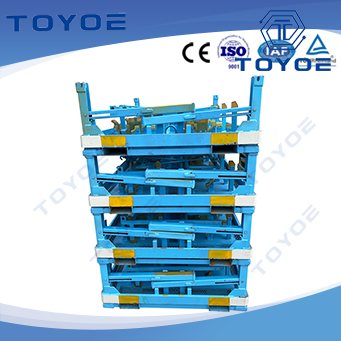
When inspecting warehouse racking, it’s crucial to focus on several key components. Each part plays an essential role in ensuring the integrity and safety of the entire system.
The uprights and beams are the backbone of any warehouse racking system. Here’s what to look for:
● Signs of Damage: Check for dents, bends, or rust on the uprights and beams. These issues can compromise structural integrity. Even minor damage can lead to significant safety risks.
● Importance of Checking for Deflection: Deflection occurs when beams bend under load. It’s crucial to measure this, as excessive deflection can indicate overloading or structural failure. Use a level to ensure beams are straight and properly aligned.
Braces and connectors are vital for maintaining the stability of the racking system. They hold everything together.
● Role in Structural Integrity: These components prevent the racking from swaying or collapsing. They distribute weight evenly, which is essential for safety.
● What to Look For: Inspect for loose fasteners or signs of rust. Loose bolts can lead to instability. If you notice any rust, it may indicate that the metal is weakening, requiring immediate attention.
Footplates and anchors secure the racking system to the floor, ensuring stability.
● Ensuring Stability and Security: Properly anchored racks resist tipping and shifting, especially under heavy loads. Check that footplates are securely fastened.
● Signs of Damage or Corrosion: Look for cracks in the concrete or rust on the footplates. Any signs of wear can compromise safety, so it’s essential to address these issues promptly.
Load capacity labels provide critical information about how much weight each rack can safely hold.
● Importance of Clear and Accurate Labeling: These labels prevent overloading, which is a common cause of rack failures. They should be easy to read and understand.
● Checking Visibility and Condition: Ensure that labels are visible and intact. If they’re worn or missing, replace them immediately to avoid confusion and potential accidents.
Maintaining clear pathways is essential for safe operations within the warehouse.
● Importance of Clear Pathways for Safe Operation: Aisles should be free of obstructions to allow for safe forklift movement and easy access to inventory.
● Recommended Clearance Measurements: Ideally, aisles should have at least 3 feet of clearance for safe passage. This space allows for maneuverability and helps prevent accidents.
By focusing on these key components, you can ensure that your warehouse racking system is safe and efficient. Regular inspections not only enhance safety but also prolong the lifespan of your racking systems, making it a wise investment for any warehouse manager.
Inspecting warehouse racking requires a structured approach to ensure safety and efficiency. Here’s how to conduct an effective inspection step by step.
Start with a systematic visual inspection of each rack. Walk through the aisles and carefully examine every component. Look for obvious signs of damage, such as dents, rust, or bent beams. These issues can indicate serious structural problems.
● Checklist for Visual Inspection:
○ Are the uprights straight and free from damage?
○ Do the beams show any signs of wear?
○ Are braces and connectors secure?
This initial step helps you spot major issues quickly, allowing for timely repairs.
Next, assess the load distribution across the racks. It’s essential to ensure even load distribution to prevent overloading any single section.
● Importance of Adhering to Load Capacity: Each rack has a specified load capacity. Overloading can lead to failures or collapses, posing risks to personnel and inventory.
To check this, review the load labels and make sure they are visible. If you notice any discrepancies in the load distribution, adjust the placement of items to balance the weight evenly.
After checking the load, inspect for damage or misalignment caused by equipment like forklifts. Common issues include:
● Forklift Impact Damage: Look for scratches, dents, or bent upright sections. These can weaken the structure.
● Misalignment: Ensure that all components are aligned correctly. Misalignment can lead to instability.
Regular alignment checks are crucial. Use a level to verify that beams are straight and that the entire racking system is plumb.
Proper anchorage to the floor is vital for safety. Check the footplates and anchors to ensure they are secure.
● Using a Level to Check for Tilting: Place a level on the beams to identify any tilting. If you find that a rack is not level, it may need adjustments or additional anchoring.
Finally, assess the warehouse environment. Clear aisles are essential for safe operations.
● Factors Affecting Rack Integrity: Look for any obstacles that might impede movement or pose hazards. Ensure that aisles have at least 3 feet of clearance for safe forklift operation.
Consider environmental factors such as moisture or temperature fluctuations, which can affect the integrity of the racking system over time.
By following these steps systematically, you can ensure that your warehouse racking remains safe and efficient. Regular inspections help maintain structural integrity and prolong the lifespan of your racking systems, making it a critical part of warehouse management.
When inspecting warehouse racking, several common issues often arise. Recognizing these problems early can prevent accidents and ensure the safety of your warehouse operations.
Forklifts are essential for moving goods, but they can also cause significant damage to racking systems.
● Types of Damage: Look for visible signs such as dents, bends, or scratches on the uprights and beams. These damages can weaken the structure and lead to failures.
● How to Identify Them: A thorough visual inspection is crucial. Use a flashlight to spot damage in hard-to-see areas. If you notice any deformation, it’s essential to address it immediately.
Beam deflection is a critical issue that can arise from overloading the racking system.
● Causes: Overloading occurs when the weight placed on a beam exceeds its design capacity. This can happen due to improper stacking or mislabeling of load limits.
● Consequences: Excessive deflection can lead to structural failure, posing serious safety risks. Regularly checking the level of beams can help identify deflection issues early.
Rust and corrosion are significant threats to the integrity of warehouse racking.
● Identifying Signs: Look for reddish-brown stains or flaking paint on metal components. These are clear indicators of rust. Corrosion can weaken the metal, making it less reliable.
● Impacts on Safety: If left unchecked, rust can compromise the structural integrity of the racking system, leading to potential collapses.
Improper stacking practices can lead to overloading and uneven weight distribution on racks.
● Risks Associated with Improper Stacking: Overloading can cause beams to bend or even snap, while uneven distribution increases the risk of tipping. Both scenarios can lead to severe accidents.
● Best Practices: Always adhere to load capacity labels and ensure that items are evenly distributed. Regular training for warehouse staff on proper stacking methods can mitigate these risks.
Common Issues | Signs to Look For | Consequences |
Forklift Impact Damage | Dents, bends, scratches | Structural weakening |
Beam Deflection | Visible bending or sagging | Potential structural failure |
Rust and Corrosion | Reddish stains, flaking paint | Compromised integrity |
Overloading | Uneven stacking, excessive weight | Risk of collapse |
By being aware of these common issues, you can take proactive steps to maintain the safety and efficiency of your warehouse racking systems. Regular inspections are essential for identifying these problems before they escalate into serious hazards.
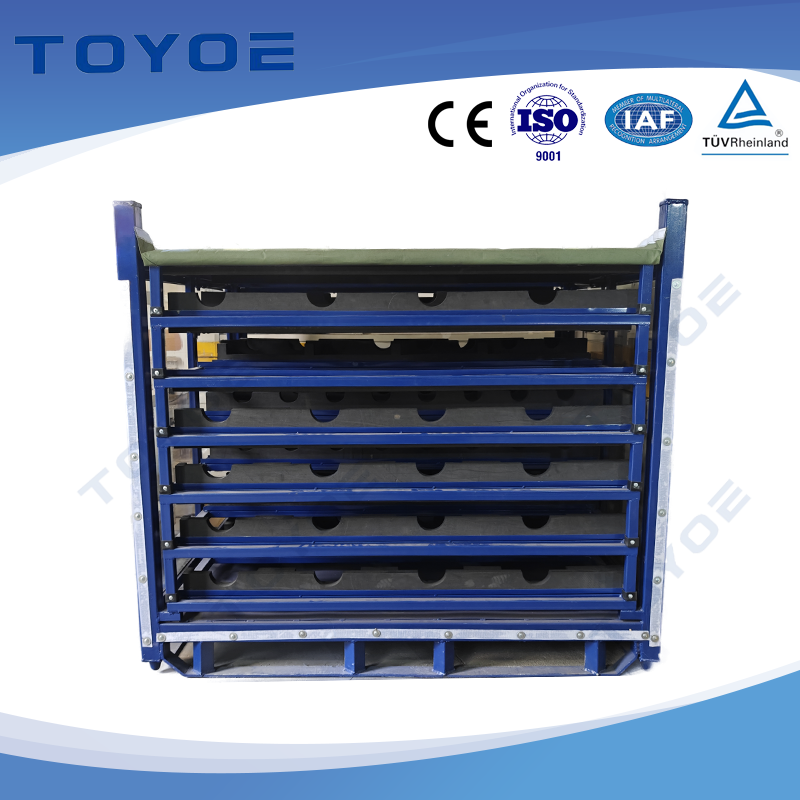
After completing your warehouse rack inspection, it’s crucial to have a clear action plan. This plan will help ensure that any identified issues are addressed promptly and effectively.
First, assess the findings from your inspection to determine the necessary actions.
● Repair, Replace, or Restrict Use: If you find damaged racks, decide whether they can be repaired or need to be replaced entirely. For minor damage, repairs may suffice. However, if the structural integrity is compromised, restricting use until repairs are made is essential.
● Documentation: Keep a detailed record of all findings and actions taken. This documentation will not only help track repairs but also serve as a reference for future inspections.
Timely action is vital when addressing safety concerns.
● Importance of Timely Action: Delaying repairs can increase the risk of accidents and injuries. Schedule repairs as soon as possible to ensure the safety of your warehouse environment. Regular maintenance should also be part of your action plan to prevent future issues.
● Fenghui’s Commitment to Quality and Safety: At Zhangjiagang Fenghui Logistics Equipment Co., Ltd., we prioritize quality and safety in all our products. If you encounter any issues with your warehouse racks, we encourage you to reach out for repairs. Our team is dedicated to providing prompt and effective solutions, ensuring your racking systems remain safe and reliable.
Action Steps | Description | Timeline |
Repair Damaged Racks | Fix minor issues immediately. | Within 1 week |
Replace Severely Damaged Racks | Remove and replace racks that are compromised. | Within 2 weeks |
Schedule Regular Maintenance | Plan routine checks and maintenance. | Quarterly or bi-annually |
By following this action plan after your inspection, you can maintain a safe and efficient warehouse environment. It’s essential to act swiftly on any identified issues to protect your employees and assets.
Regular inspections of warehouse racking are crucial for ensuring safety and efficiency. These checks help identify potential issues before they escalate.
Warehouse managers should prioritize inspections and implement best practices.
At Zhangjiagang Fenghui Logistics Equipment Co., Ltd., we are committed to being your reliable partner in warehouse racking solutions. Reach out to us for support and expertise in maintaining your racking systems.

