
Views: 95 Author: Site Editor Publish Time: 2026-01-24 Origin: Site
Are you struggling to maximize your warehouse space? Properly installed warehouse racking can transform your storage efficiency.
In this article, we will explore the essential steps for installing warehouse racking effectively. You’ll learn about the benefits of a well-organized racking system and how it can improve safety and accessibility in your warehouse.
Get ready to optimize your storage solutions and enhance your operational efficiency!
Warehouse racking refers to the systems used to store goods in a warehouse. These systems are designed to maximize space and improve organization. They come in various forms, each serving specific storage needs.
Common types of warehouse racking include:
● Pallet Racks: Ideal for storing palletized goods. They provide easy access and efficient use of vertical space.
● Shelving Units: Perfect for smaller items. These units allow for easy visibility and retrieval of products.
● Cantilever Racks: Designed for long items like lumber or pipes. They offer flexibility and can accommodate various lengths.
Racking Type | Best For | Key Features |
Pallet Racks | Palletized goods | Adjustable levels, easy access |
Shelving Units | Small items | High visibility, organized storage |
Cantilever Racks | Long or bulky items | Flexible design, easy loading |
Implementing an effective warehouse racking system brings numerous advantages.
First, it maximizes storage space. By utilizing vertical space, businesses can store more goods without expanding their footprint. This leads to improved inventory management and reduced clutter.
Second, warehouse racking enhances organization and accessibility. With clearly defined spaces for each item, employees can quickly locate what they need, reducing time spent searching for products.
Finally, safety in the warehouse environment is significantly improved. Properly installed racking systems minimize the risk of accidents. They provide stable storage solutions, reducing the likelihood of items falling or causing injuries.
In summary, warehouse racking is essential for efficient storage and operational success. By choosing the right type of racking and understanding its benefits, companies can optimize their warehouse space and improve overall productivity.
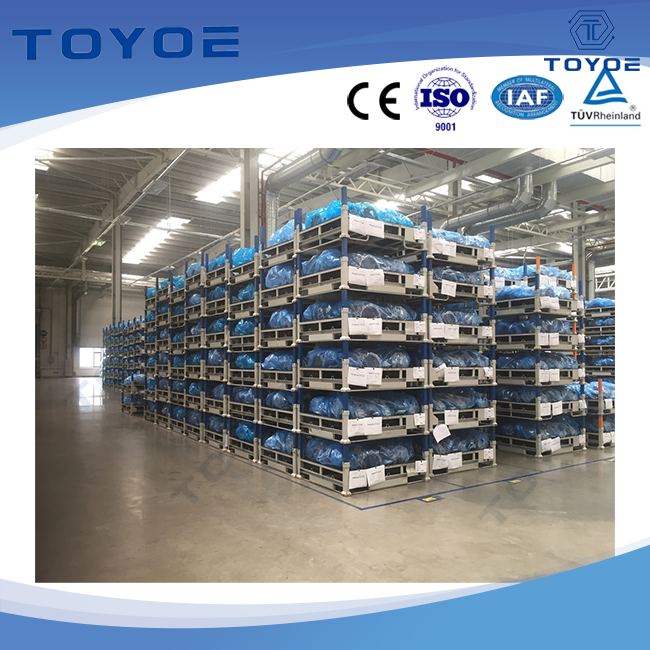
Before installing warehouse racking, evaluating your warehouse space is crucial. Start by measuring the layout and dimensions of your facility. This helps ensure that the racking system fits perfectly without wasting space.
Next, identify potential obstacles. Look for columns, electrical panels, and other fixtures that may interfere with the racking system. Proper planning will help avoid costly adjustments later.
Here’s a checklist to help you assess your space:
● Measure the height, width, and length of the warehouse.
● Identify any structural elements that could obstruct installation.
● Consider the flow of traffic for forklifts and personnel.
Selecting the right racking system is essential for maximizing efficiency. Consider factors like load capacity and the types of goods you store. For example, heavier items require more robust racking systems.
Zhangjiagang Fenghui Logistics Equipment Co., Ltd., operating under the brand TOYOE, offers various warehouse racking solutions tailored to different needs. Their systems include:
● Pallet Racks: Ideal for bulk storage of palletized goods.
● Shelving Units: Perfect for smaller items that need easy access.
● Cantilever Racks: Designed for long or bulky items, such as pipes and lumber.
Racking System Type | Best For | Key Features |
Pallet Racks | Bulk storage | Adjustable levels, easy access |
Shelving Units | Small items | High visibility, organized storage |
Cantilever Racks | Long or bulky items | Flexible design, easy loading |
Having the right tools and materials is vital for a successful installation. Here’s a list of essential tools you’ll need:
● Torque Wrench: For tightening bolts to the correct specifications.
● Laser Level: Ensures everything is perfectly aligned and level.
● Plumb Bob: Helps check the vertical alignment of columns.
In addition to tools, you’ll need various materials, including:
● Base Plates: Secure the racking system to the floor.
● Beams: Horizontal components that support the weight of stored items.
● Bolts and Nuts: Essential for connecting different parts of the racking system.
Tools Needed | Materials Required |
Torque Wrench | Base Plates |
Laser Level | Beams |
Plumb Bob | Bolts and Nuts |
With proper preparation, you can ensure a smooth installation process for your warehouse racking system. This groundwork sets the stage for an efficient and organized storage solution.
Before diving into the installation of warehouse racking, proper preparation is key. Start by cleaning and inspecting the installation area. Remove any debris or obstacles that might interfere with the racking setup. This creates a safe and organized workspace.
Next, mark the floor layout for accurate placement. Use chalk or tape to outline where each rack will go. This will help ensure that everything aligns correctly. Additionally, it's important to check humidity levels in the warehouse. High humidity can lead to rust, especially for galvanized-painted models. Maintaining appropriate conditions will prolong the life of your racking system.
Now it's time to assemble the first bay, often referred to as the starter bay. Begin by laying out all components, including beams, columns, and base plates. Follow the manufacturer's instructions closely for detailed assembly steps.
Achieving a plumb installation is crucial. Use a level to ensure that the vertical columns are perfectly straight. This will provide a sturdy foundation for the entire racking system. For instance, Fenghui’s metal pallet racking, designed for automotive applications, offers excellent stability when installed correctly.
Once the starter bay is secure, you can start expanding the rack system. Connect additional bays by aligning them with the first bay. It's essential to maintain squareness and levelness throughout this process.
Here are some tips to keep in mind:
● Use a level to check each connection.
● Ensure all bolts are tightened to the manufacturer's specifications.
● For specialized applications, like automotive air conditioning components, consider customized material racks to optimize storage.
Expansion Tips | Description |
Use a Level | Check alignment and ensure everything is straight. |
Tighten Bolts | Follow specifications for secure connections. |
Customized Racks | Tailor racks for specific items to maximize efficiency. |
Anchoring the racks to the floor is essential for stability and safety. This step prevents any tipping or movement, especially when loaded with heavy items. Use M16+ chemical bolts for heavy-duty models to ensure a secure hold.
To anchor the racks, follow these instructions:
1. Drill holes into the concrete floor at marked locations.
2. Insert the chemical bolts according to the manufacturer’s guidelines.
3. Tighten the bolts securely to lock the racks in place.
Finally, it’s time to install safety features on your racking system. Adding safety locks and connectors is vital for preventing accidents. These features help secure the racks and ensure that they remain stable even under heavy loads.
Fenghui emphasizes safety in their product designs, incorporating features that enhance stability and reduce risks. Be sure to review all safety guidelines provided by the manufacturer to maintain a safe working environment.
With these steps, you can successfully install a warehouse racking system that maximizes storage efficiency while ensuring safety and organization.
After installing your warehouse racking, conducting a thorough inspection is critical. Start by checking all connections, ensuring that bolts are tightened to the manufacturer's specifications. This step is essential for structural integrity and safety.
Next, perform load tests. This involves placing weights on the racks to ensure they can handle the expected loads without bending or shifting. It’s important to monitor how the racks respond under pressure.
Additionally, don’t forget to check the coating integrity. If your racking system has a protective coating, inspect it for any signs of wear or damage. This will help prevent rust and prolong the life of your racking system.
Inspection Checklist | Description |
Bolt Tightness | Ensure all bolts are securely tightened. |
Load Testing | Test racks under expected weight loads. |
Coating Integrity | Check for damage or wear on protective coatings. |
Regular inspections and maintenance are vital for keeping your warehouse racking in top condition. Schedule routine checks to identify any potential issues early on. This proactive approach can prevent costly repairs down the line.
Here are some tips for maintaining your warehouse racking systems:
● Clean Dust Regularly: Dust can accumulate on foam linings and surfaces. Regular cleaning helps maintain visibility and prevents potential hazards.
● Inspect for Damage: Look for any signs of wear, such as bent beams or loose connections. Addressing these issues promptly ensures safety and efficiency.
● Check for Rust: Especially in humid environments, inspect for rust on galvanized racks. If you find any, take steps to treat and prevent further corrosion.
Maintenance Tips | Frequency |
Clean Dust | Monthly |
Inspect for Damage | Quarterly |
Check for Rust | Bi-Annually |
By following these post-installation considerations, you can ensure your warehouse racking remains safe, efficient, and effective for years to come.
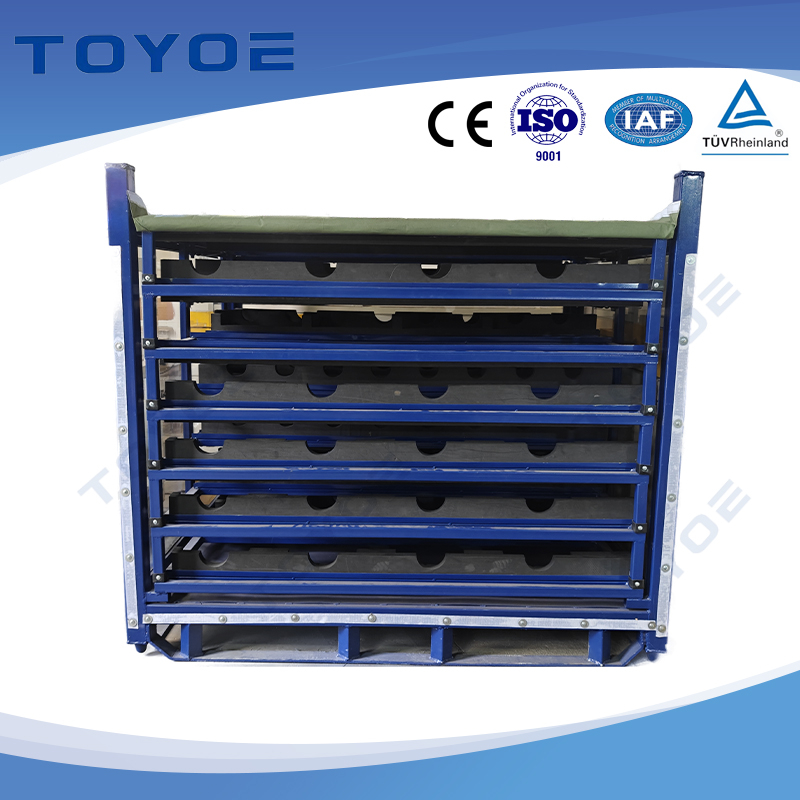
One of the most critical mistakes during warehouse racking installation is overlooking safety regulations. Adhering to OSHA guidelines is essential for creating a safe working environment. These regulations are designed to protect workers and ensure that racking systems are installed correctly.
When installing warehouse racking, ensure you understand the relevant safety standards. This includes proper anchoring, load distribution, and clearance requirements. Failing to comply can lead to accidents, injuries, or even legal issues.
Here’s a quick checklist to help you stay compliant:
● Review OSHA Guidelines: Familiarize yourself with the specific regulations that apply to your industry.
● Conduct Safety Training: Ensure all personnel involved in the installation are trained in safety protocols.
● Use Personal Protective Equipment (PPE): Equip workers with appropriate safety gear, such as helmets and gloves.
Another common mistake is ignoring load capacities. Each racking system has a specified load limit, and exceeding these limits can lead to catastrophic failures. It's crucial to understand the weight your racking can safely support.
Fenghui offers heavy-duty racking solutions designed for high load-bearing capacities, making them suitable for various applications. When selecting a racking system, consider the following:
● Weight of Stored Goods: Calculate the total weight of items that will be stored on each rack.
● Dynamic vs. Static Loads: Understand the difference between loads that are stationary and those that may shift during operation.
● Distribution of Weight: Ensure that weight is evenly distributed across the racks to prevent tipping.
Load Capacity Considerations | Description |
Weight of Stored Goods | Calculate the total weight to avoid overloading. |
Dynamic vs. Static Loads | Recognize how loads may shift during use. |
Distribution of Weight | Ensure even weight distribution for stability. |
By avoiding these common mistakes, you can ensure a safer and more efficient installation of your warehouse racking system. Implementing proper safety measures and adhering to load capacities will help protect both your employees and your investment.
Proper warehouse racking installation is crucial for safety and efficiency. Following the outlined steps ensures a successful setup.
Remember to adhere to safety regulations and load capacities to prevent accidents.
For additional support, Fenghui offers 24/7 service assistance to help clients with their racking needs. Don't hesitate to reach out for expert guidance.
A: The most common types include pallet racks, shelving units, and cantilever racks, each designed for specific storage needs.
A: Consider factors like load capacity, type of goods stored, and warehouse layout to select the appropriate system.
A: Regular inspections should be conducted monthly, with more detailed checks quarterly to ensure safety and integrity.
A: Adhere to OSHA guidelines, focusing on proper installation, load limits, and worker safety protocols.
A: Fenghui offers customized racking solutions with high load capacities, designed to optimize space and improve accessibility.

