
Views: 0 Author: Site Editor Publish Time: 2026-01-30 Origin: Site
Have you ever lost time searching for items in a warehouse? Proper labeling of warehouse racking can save you that frustration.
Labeling is crucial for efficient inventory management and streamlined operations. When done right, it enhances productivity and minimizes errors.
In this article, you’ll learn how to effectively label warehouse racking to improve organization and efficiency. We’ll cover essential tips and best practices to optimize your warehouse space.
Warehouse racking refers to the system of storage structures used to hold and organize goods in a warehouse. Its primary purpose is to maximize space and improve accessibility. By implementing an effective racking system, businesses can ensure that products are stored efficiently, making it easier to retrieve items when needed.
There are several types of warehouse racking systems, including:
● Pallet Racks: These are the most common type of racking, designed to hold palletized goods. They come in various configurations, such as selective, drive-in, and push-back racks.
● Cantilever Racks: Ideal for storing long or bulky items, such as pipes or lumber, cantilever racks have arms extending from a vertical frame. They provide easy access and maximize vertical space.
● Shelving Units: These are versatile systems used for smaller items. They can be adjustable and customized to fit different products.
Type of Racking | Best For | Key Features |
Pallet Racks | Palletized goods | High load capacity, adjustable heights |
Cantilever Racks | Long or bulky items | Extending arms for easy access |
Shelving Units | Smaller items | Adjustable shelves, versatile configurations |
Proper labeling of warehouse racking is essential for effective inventory management. It significantly enhances accuracy and speeds up retrieval times. When items are clearly labeled, employees can quickly locate products, reducing time spent searching through racks. This efficiency not only improves workflow but also increases overall productivity.
Labeling also plays a crucial role in ensuring safety within the warehouse. Clear labels help prevent accidents by providing essential information about load limits and handling instructions. For example, labels indicating weight capacities can prevent overloading racks, which reduces the risk of collapses.
Incorporating effective labeling practices can lead to:
● Improved inventory accuracy, minimizing errors in order fulfillment.
● Faster retrieval times, allowing for quicker processing of shipments.
● Enhanced safety measures, ensuring that employees are aware of potential hazards.
By investing in proper labeling and warehouse racking systems, companies like Fenghui can optimize their operations and create a safer, more efficient working environment.
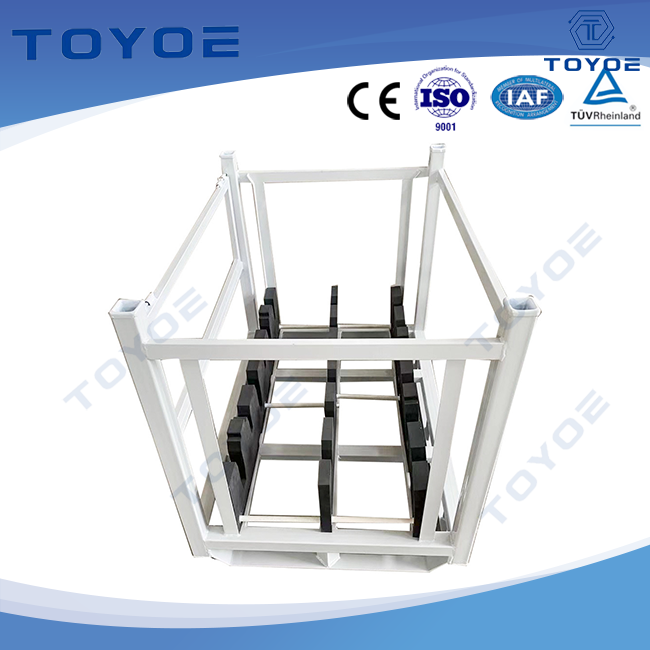
Creating a location hierarchy is crucial for effective warehouse racking. This system allows for easier navigation and retrieval of items. A well-structured hierarchy typically follows a pattern that includes Aisle, Bay, Level, and Position.
● Aisle: The main pathway where racks are located.
● Bay: A section within an aisle, often containing multiple racks.
● Level: Refers to the specific height of a rack where items are stored.
● Position: The exact spot on the level where a product is placed.
This logical structure simplifies the process of finding items and enhances overall productivity. Employees can quickly locate products, saving time and reducing frustration.
When it comes to labeling, choosing the right method can make a significant difference. Two popular approaches are the Standard Method and the Serpentine Method.
● Standard Method: This approach uses a straightforward numerical or alphanumeric system. For example, a label might read "A1-2-3," indicating Aisle 1, Bay 2, Level 3.
● Serpentine Method: This method follows a zigzag pattern. As you move down an aisle, the labeling alternates direction. For instance, Aisle 1 might label from left to right, while Aisle 2 labels from right to left.
Method | Advantages | Disadvantages |
Standard Method | Easy to understand and implement | Can become complex in large warehouses |
Serpentine Method | Efficient use of space, minimizes errors | May confuse new employees |
Both methods have their pros and cons, so it’s essential to assess your warehouse layout and employee familiarity when making a choice.
Choosing the right materials for your labels is just as important as the labeling method. Different environments require different materials to ensure durability and readability. Here’s a quick overview:
● Paper: Cost-effective but not suitable for harsh environments.
● Polyester: More durable than paper, resistant to moisture and tearing.
● Vinyl: Excellent for outdoor use; highly resistant to fading and weather.
● Magnetic: Ideal for temporary labeling; easy to reposition.
When selecting materials, consider factors such as the warehouse environment, exposure to elements, and how long the labels need to last. Fenghui emphasizes quality in their labeling solutions, ensuring that materials can withstand the rigors of a busy warehouse. This commitment to durability helps maintain clear and functional labels, ultimately supporting efficient operations.
Consistency in labeling is key to effective warehouse organization. Uniform fonts, sizes, and colors help create a cohesive system that is easy to understand. When labels look the same, employees can quickly identify and locate items without confusion. This uniformity aids in training new staff, reducing errors during picking and stocking processes.
For example, using the same font style and size across all labels can significantly enhance clarity. It allows workers to recognize labels at a glance, fostering a smoother workflow.
To enhance visibility, it’s crucial to use high-contrast color schemes. Dark text on a light background, or vice versa, ensures that labels stand out. Here are some recommendations for achieving optimal readability:
● Color Schemes: Use bright colors like yellow or orange for warning labels, while green can indicate safe areas.
● Font Sizes: Labels should be large enough to read from a distance, typically at least 1 inch tall.
● Font Styles: Sans-serif fonts are often easier to read quickly compared to serif fonts.
Color Scheme | Use Case | Visibility Impact |
Black on Yellow | Warning signs | Very high visibility |
White on Blue | General information | Good readability |
Red on White | Hazardous materials | Strong contrast, easily noticeable |
Aligning your labeling system with a Warehouse Management System (WMS) can greatly improve tracking and efficiency. Barcodes and QR codes are excellent tools for this integration. They allow for quick scanning, which speeds up inventory management and reduces human error.
By implementing these technologies, employees can easily update inventory counts and track product movements in real-time. Fenghui’s warehouse racking solutions are designed to seamlessly integrate with modern WMS, ensuring that your labeling system works hand-in-hand with your inventory management software. This synergy enhances operational efficiency and helps maintain accurate records, leading to a more organized and productive warehouse environment.
Labeling warehouse racks effectively involves a systematic approach. Here’s a step-by-step guide to help you through the process:
1. Identify and Categorize Racks: Start by assessing your warehouse layout. Identify different racks and categorize them based on their usage, such as storage type or product category. This will help in organizing the labeling process.
2. Decide on a Labeling Method: Choose between a standard or serpentine labeling method. The standard method offers a straightforward approach, while the serpentine method optimizes space and minimizes errors.
3. Create a Coding System: Develop a coding system based on your location hierarchy. For example, a code like "A1-2-3" can represent Aisle 1, Bay 2, Level 3. This structured system makes it easy for employees to locate items quickly.
4. Prepare Surfaces for Label Application: Ensure that the surfaces where labels will be applied are clean and dry. This step is crucial for ensuring that labels adhere properly and remain intact over time.
5. Apply Labels Strategically: Start applying labels from the bottom of the rack and work your way up. This method helps maintain a clear organization and ensures that the most frequently accessed items are easily visible.
The placement of labels is vital for ensuring they are visible and effective. Here are some best practices for label placement:
● Best Locations: Place labels at eye level whenever possible. This positioning allows employees to see them easily without bending or stretching. Labels should also be placed on both sides of the racks for accessibility.
● Visibility Tips: Use high-contrast colors and large fonts to enhance visibility. Ensure that labels are not obstructed by products or other materials. Regularly check labels for wear and tear, replacing any that become damaged.
Fenghui designs racks with label placement in mind, ensuring that labels can be applied without obstructing visibility. This thoughtful design helps maintain a clear and organized warehouse, making it easier for employees to find what they need quickly.
Labeling Step | Key Considerations | Benefits |
Identify and Categorize Racks | Assess layout and usage | Improved organization |
Decide on a Labeling Method | Choose standard or serpentine | Enhanced efficiency |
Create a Coding System | Develop a structured code | Quick item location |
Prepare Surfaces | Clean and dry surfaces | Better label adhesion |
Apply Labels | Start from bottom to top | Clear organization |
In today's fast-paced warehouse environments, digital solutions are transforming how we approach labeling. Technologies like RFID (Radio Frequency Identification) and NFC (Near Field Communication) are becoming essential tools for efficient warehouse management.
RFID tags can be attached to items or pallets, allowing for automatic tracking as they move through the warehouse. This technology eliminates the need for manual scanning, significantly speeding up inventory processes. On the other hand, NFC technology enables quick data transfer with a simple tap of a mobile device, making it easy to access information about products instantly.
The benefits of these digital labeling systems are substantial. They provide real-time inventory management, reducing errors and improving accuracy. With Fenghui’s innovative solutions, warehouses can seamlessly integrate digital labeling systems, enhancing operational efficiency. This integration allows for better tracking of items, streamlined processes, and ultimately, improved productivity.
Visual management is another key aspect of effective warehouse labeling. Utilizing color-coding and visual cues can significantly enhance the organization and efficiency of a warehouse.
● Color-Coding: Assigning specific colors to different categories of products can help employees quickly identify items. For instance, blue labels might indicate electronics, while red labels could signify hazardous materials. This system not only speeds up the picking process but also reduces the likelihood of mistakes.
● Visual Cues: Implementing clear visual cues, such as arrows or icons, can guide employees through the warehouse. For example, using arrows to indicate the direction of travel for picking can streamline operations and make the environment more intuitive.
Strategy | Description | Benefits |
Color-Coding | Assign colors to product categories | Quick identification, reduced errors |
Visual Cues | Use icons or arrows to guide navigation | Enhanced workflow, intuitive layout |
By incorporating these visual management practices, warehouses can create a more organized and efficient working environment. Fenghui’s commitment to innovative design ensures that their warehouse racking systems support both digital and visual labeling techniques, maximizing efficiency and clarity.
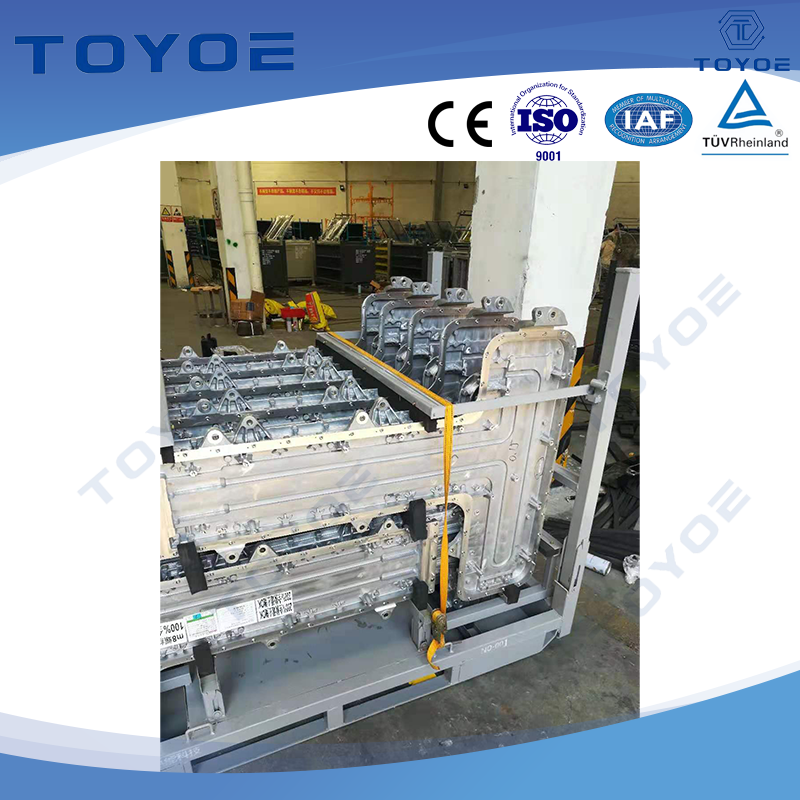
Labeling hazard zones within a warehouse is crucial for maintaining a safe working environment. These areas can include locations where heavy machinery operates, where hazardous materials are stored, or where there is a risk of falling objects. Properly marking these zones helps prevent accidents and ensures that employees are aware of potential dangers.
Recommended Practices for Safety Labeling:
● Use Clear Symbols: Employ universally recognized symbols for hazards, such as skulls for toxic materials or exclamation marks for general warnings. This helps convey messages quickly and effectively.
● High-Visibility Colors: Utilize bright colors like red for danger and yellow for caution. These colors attract attention and alert employees to potential risks immediately.
● Regular Updates: Ensure that labels are regularly inspected and updated as necessary. Faded or damaged labels can lead to confusion and increase the risk of accidents.
Labeling racks for load limits and proper handling instructions is essential for safety in warehouse operations. Each rack should clearly display its maximum load capacity to prevent overloading, which can lead to structural failure and accidents.
Importance of Clear Communication for Safety:
● Load Limit Labels: Clearly state the maximum weight each rack can support. This information should be prominently displayed at eye level to ensure visibility.
● Handling Instructions: Include instructions on how to properly handle items stored on the racks. For example, labels can indicate whether items should be stacked or if specific equipment is needed for lifting.
Label Type | Key Features | Benefits |
Hazard Zone Labels | Clear symbols, bright colors | Quick identification of danger |
Load Capacity Labels | Maximum weight limits, handling instructions | Prevents accidents and structural failure |
By implementing these safety labeling practices, warehouses can significantly reduce risks and promote a culture of safety. Fenghui’s commitment to safety ensures that their warehouse racking systems come equipped with appropriate labeling options to enhance awareness and compliance among employees.
Labeling warehouse racking is crucial for organization and safety. Proper labeling enhances efficiency and reduces errors in inventory management.
Implementing best practices can significantly improve warehouse operations.
For tailored warehouse racking solutions, explore further resources or contact Fenghui today. Together, we can enhance your warehouse efficiency.
A: Common mistakes include inconsistent labeling, unclear fonts, and poor visibility. Failing to categorize racks properly also leads to confusion.
A: Warehouse labels should be updated regularly, especially when inventory changes or when labels become damaged or faded.
A: Digital labeling solutions enhance accuracy, enable real-time inventory management, and reduce manual errors through technologies like RFID and NFC.
A: Design a flexible coding system and use modular labels that can adapt to changes in inventory or warehouse layout.

