


| Quantity: | |
|---|---|
Plastic
TOYOE
Trunk components reach the assembly line as finished products. Trim panels, boot floor boards and spare wheel trays arrive painted, grained or fabric covered, and every one of them is a visible surface that the customer will look at directly. Their packaging has one main job: keep that surface as it left the supplier. PP honeycomb panels built around each part do exactly that, without adding weight the shipment pays for.
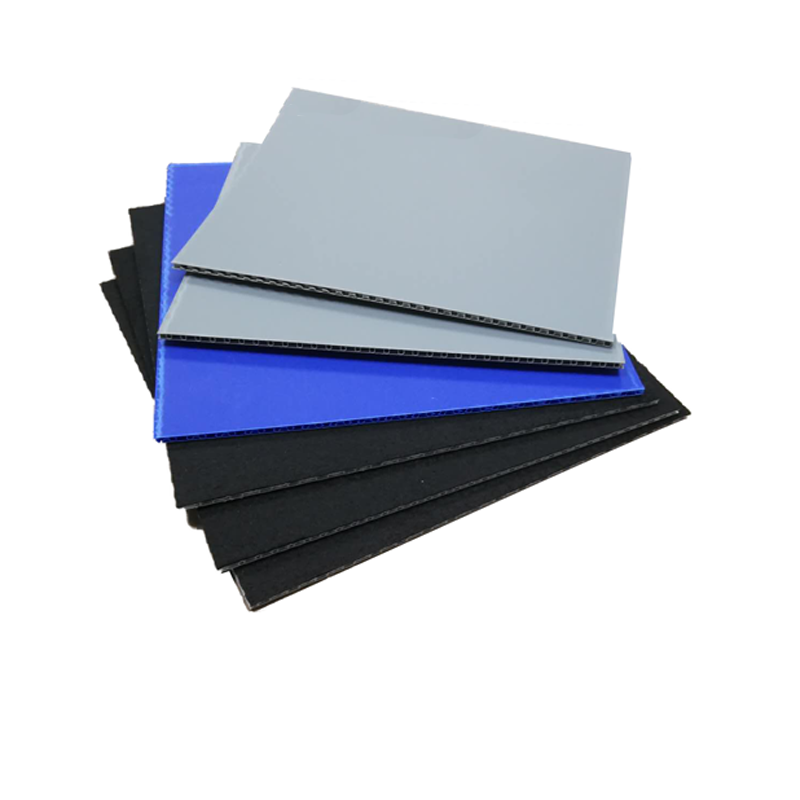
The panel is cut to the part, not the other way round. A deck is cut to the outline of the component it protects, so contact happens at rim edges and standoff points instead of across the visible face. Small parts nest against the panel with foam strips at the edges, larger panels sit between stacked components as a separator, and thickness between 3 and 20 mm is chosen per part to balance stiffness against weight.
The surface behaviour matters as much as the stiffness. Polypropylene carries no fibre to transfer onto grained or fabric surfaces, leaves no marks under steady load, and wipes clean of dust that cardboard leaves behind. A trim panel unwrapped from a honeycomb deck looks the way it was moulded, with no cleaning step added at the assembly line to fix what packaging did.
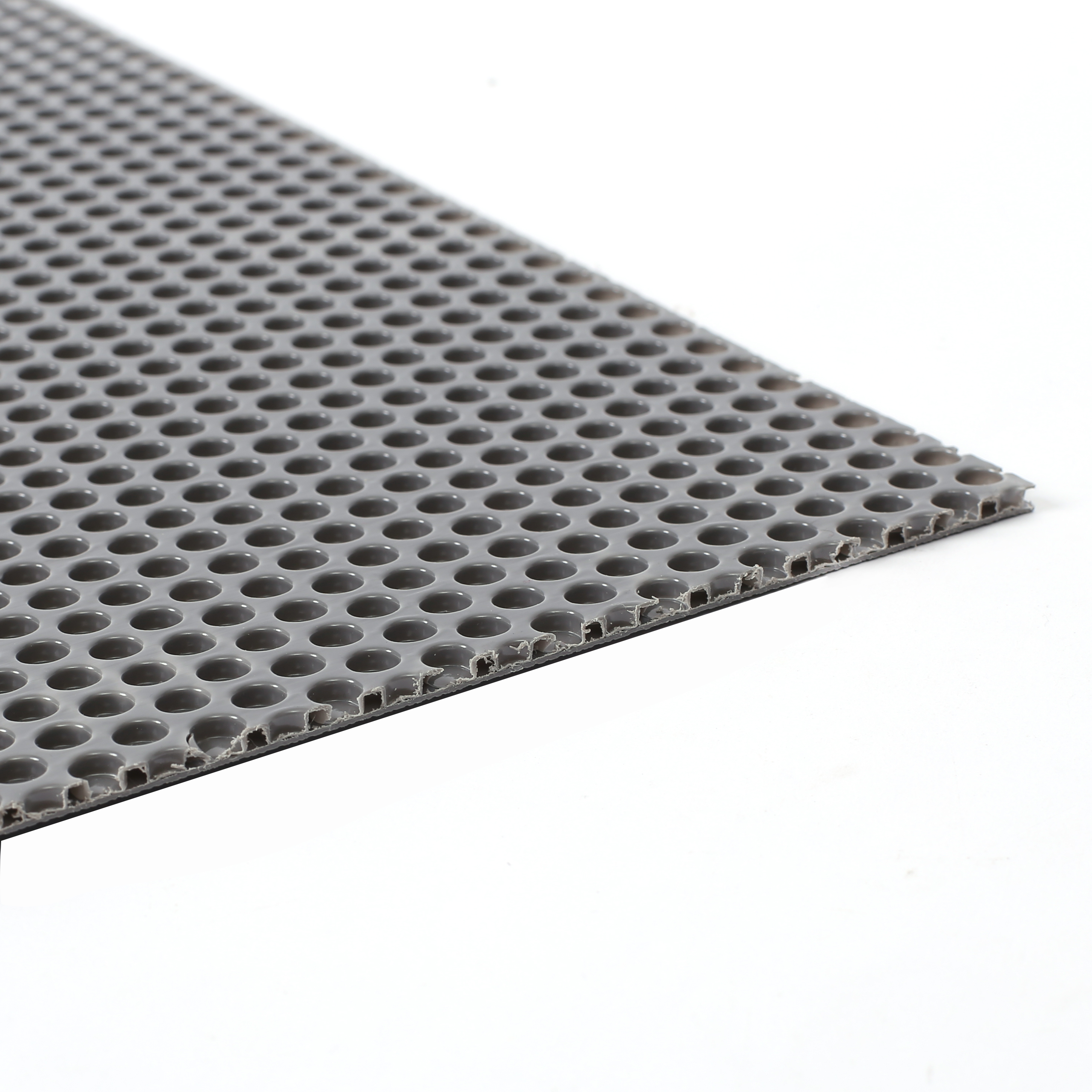
Weight stays negligible by design. The honeycomb core puts vertical walls where bending loads run, so a panel that weighs grams acts like a far heavier solid sheet. For packaging of bulky trim parts, where freight is charged by weight and volume together, the difference compounds across thousands of shipments a year.
The panel format travels well in both directions. Flat sheets pack compactly for the outbound trip, cut sets nest into returnable packaging for the loop back, and a panel that completes dozens of cycles replaces single-trip cardboard at a lower cost per trip. When a design changes, a new outline is cut from the same stock without new tooling.
Identification travels on the panel itself. Printed part numbers, model codes and colour bands go directly onto the polypropylene surface, so a line operator sorts decks by model before opening anything. Sets for one vehicle can be bundled by marking, and a missing panel in a kit becomes visible at a glance instead of at the assembly station.
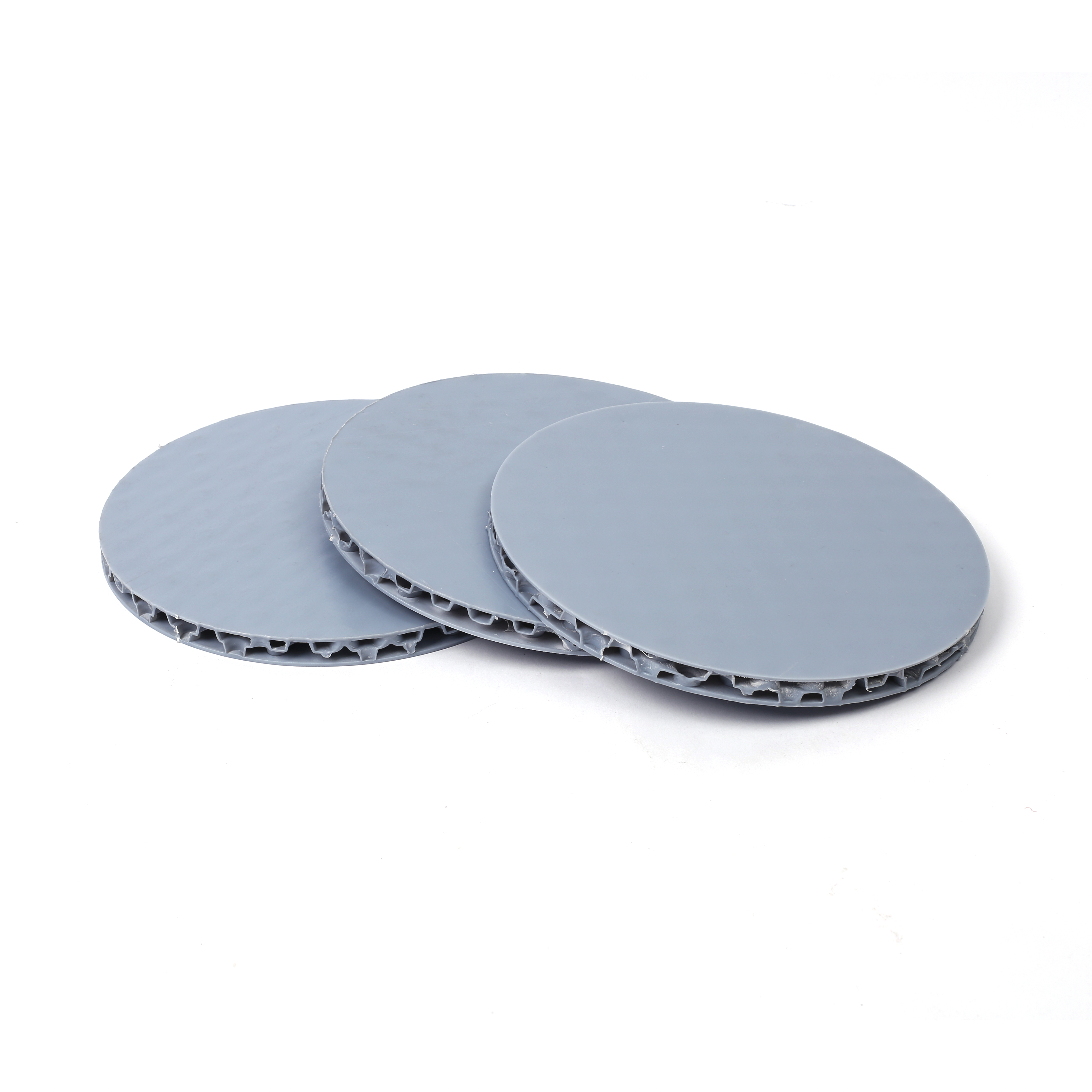
Each batch is verified before it enters the packaging flow. Cut outlines are checked against part drawings, edges are inspected for burrs that could mark finished surfaces, and panels that cycle in returnable sets are tested for stiffness after repeated handling. The result is protection matched to each finished part, measured in grams, and predictable enough for a supplier to build a whole packaging programme on.


