


| Quantity: | |
|---|---|
Plastic
TOYOE
For light parts, the heaviest thing in the box is often the box itself. Cardboard absorbs moisture, wood splinters, and neither survives a wet dock, while a polypropylene hollow board box weighs a fraction of either and shrugs off rain. Built from panels cut to a drawing and folded into shape, it gives light components a container that adds almost nothing to the shipment but protection.
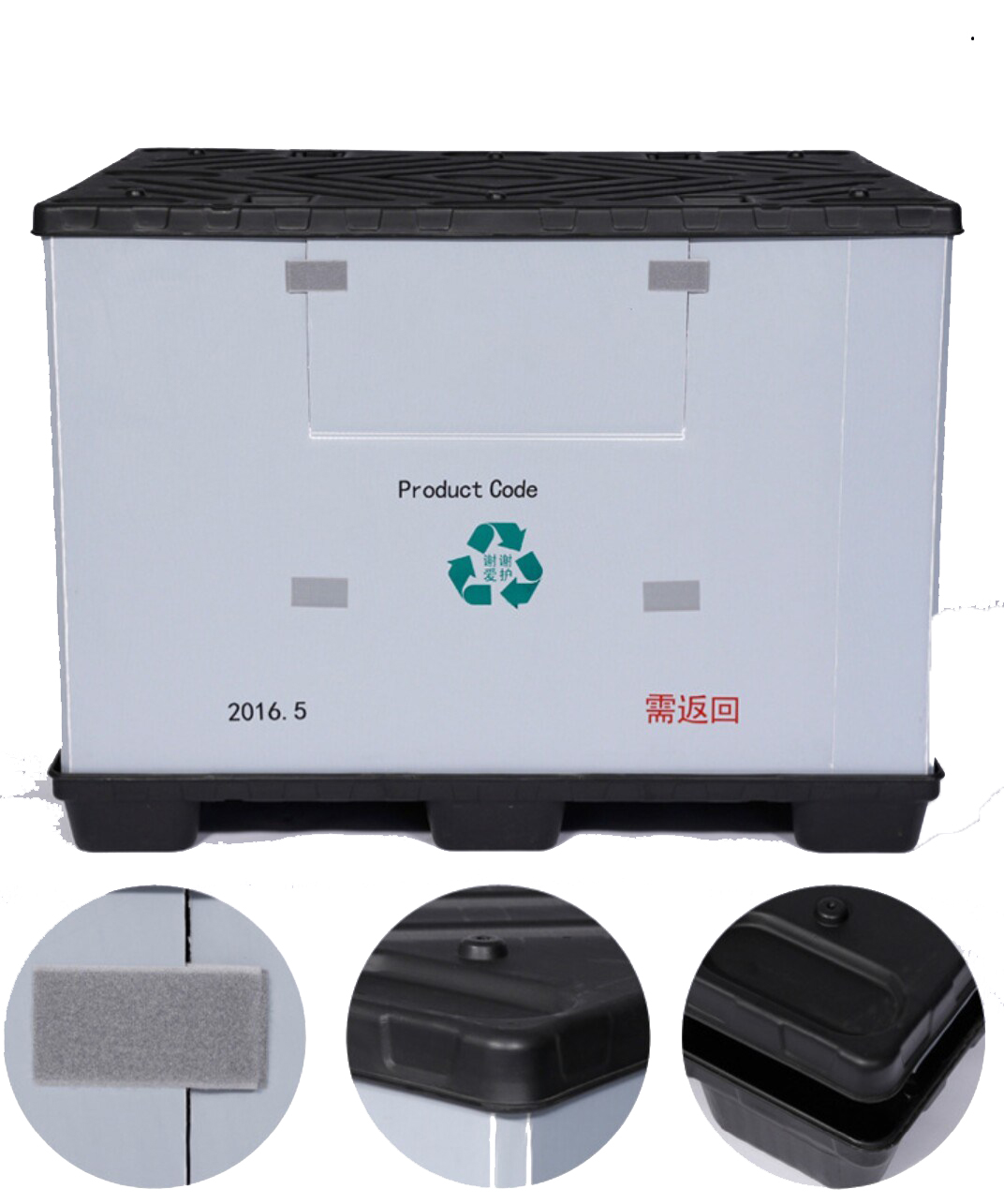
Precision cutting is the manufacturing core. Panels are cut on CNC equipment to the same drawing that defines the box, so edge quality is consistent from the first box to the ten thousandth, corners fold instead of assembling from loose pieces, and cut-outs for handles or label windows land where the design put them. Tolerances stay tight enough for boxes to stack squarely on the same footprint across a whole production run.
The sheet itself does the quiet work. Polypropylene hollow board is closed at both faces, so water on a loading dock, condensation in a container or a spill in the workshop stays on the surface instead of soaking through. It wipes clean, it carries no fibre that sheds onto finished parts, and thickness is selected per box between 3 and 20 mm to balance stiffness against weight.
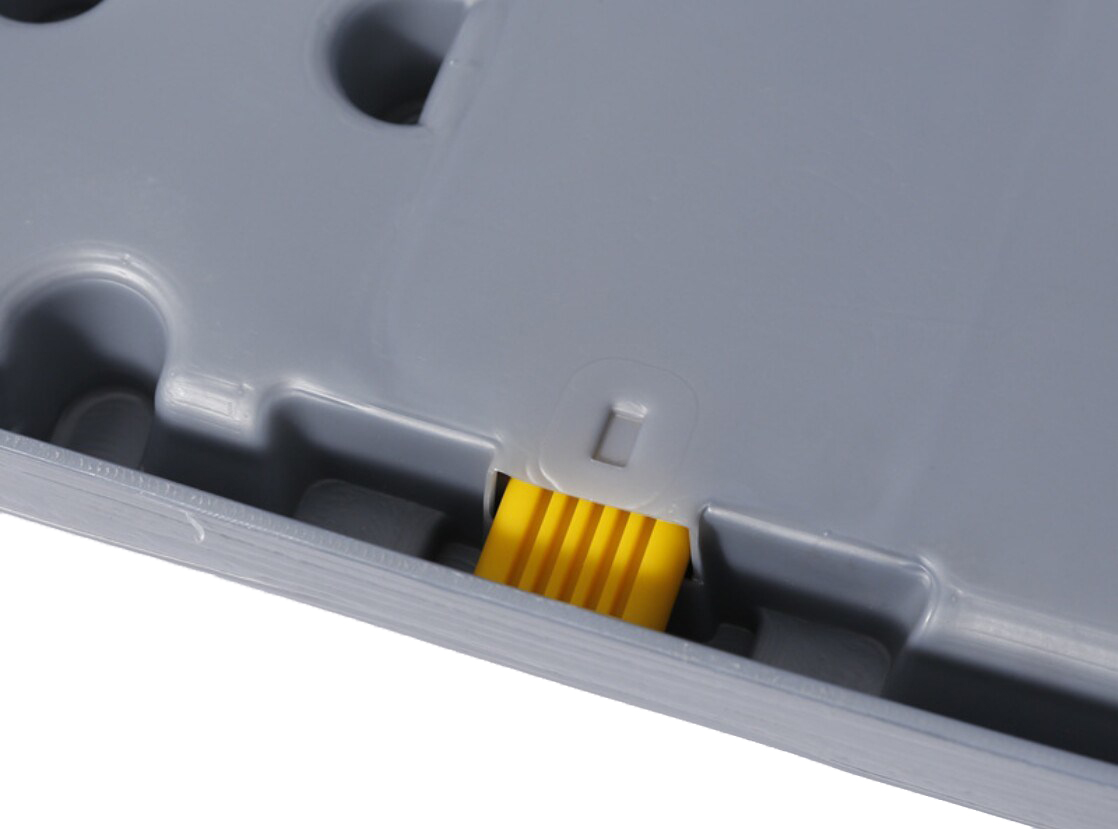
Weight discipline shows up in the freight bill. Where transport is priced by weight, every gram of packaging is paid for on every trip, so a box design that weighs less pays back on each cycle. Empty boxes nest flat, so returns take a fraction of the volume of rigid containers, and one vehicle can move the packaging fleet for several production runs at once.
Reuse is where the economics complete. A hollow board box runs for dozens of trips where a carton runs for one, and when a panel finally wears at an edge, that panel is replaced while the rest of the box stays in service. Repairs need no special tools, so a damaged box is back on the floor the same day instead of leaving the fleet.
The format adapts easily to the parts it carries. Internal dividers cut from the same sheet separate components without mixed materials, colour codes and printed logos go directly onto the board, and box sizes follow the parts rather than a standard catalogue, because the cutting cost of a custom size is small against the freight a wrong-sized box pays.
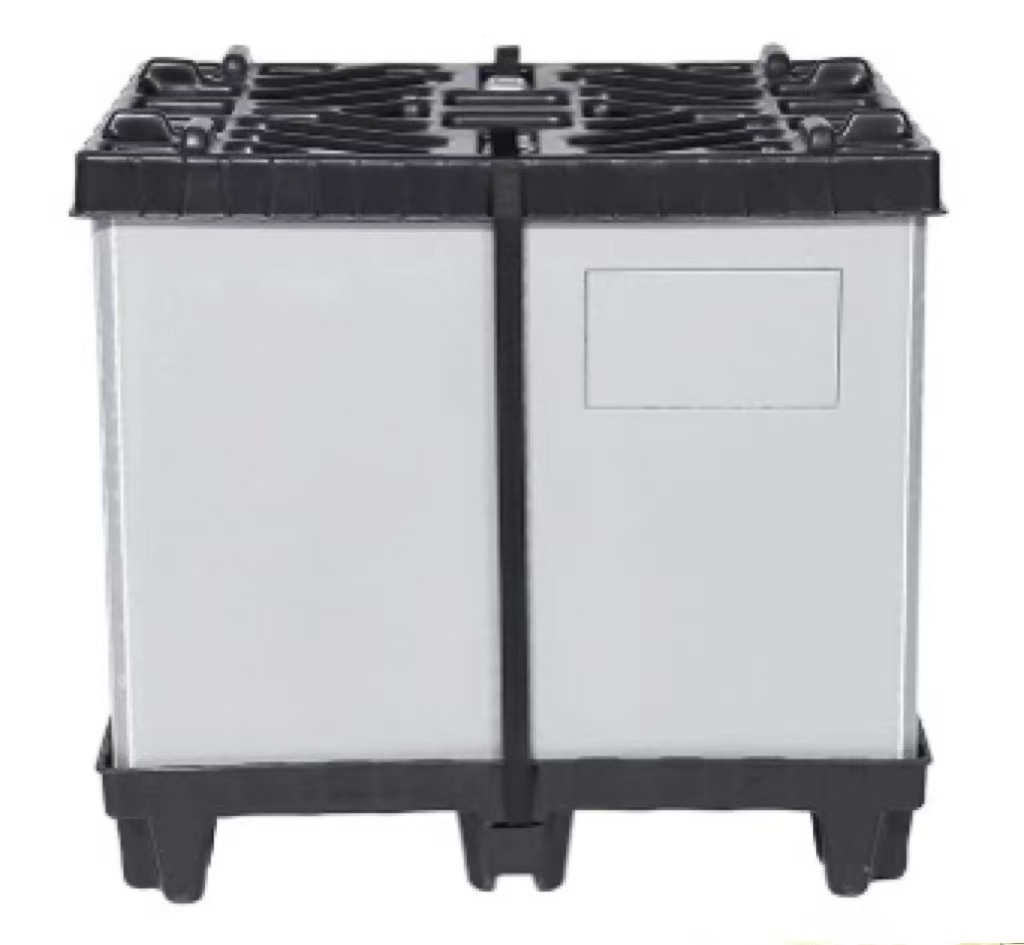
Each batch is checked before it ships. Cut dimensions are sampled against the drawing, edge quality is inspected for burrs that could mark parts, and folding points are cycle tested so a box that opens and closes daily keeps its corners. The result is light packaging that behaves like engineered equipment: consistent, repairable and measured against its own weight budget.


