


| Quantity: | |
|---|---|
Metal
TOYOE
A prototype is not just a part; it is evidence. Months after a build, someone will measure it again, hold it beside a drawing, or carry it to a customer meeting, and the value of that part depends entirely on knowing which revision it is. A rack built for prototype storage treats that identity as the main job, not an afterthought, and every decision follows from it.
One slot, one revision. Compartments are sized to the parts they hold and cut to the drawing's own dimensions, so a bracket sits in a cell shaped for a bracket and a housing sits in a cradle that matches its outline. When the design moves, dividers move with it: slots are re-set by hand in minutes, and the rack follows the programme through its revisions instead of being rebuilt each time. A revision that arrives on Friday has its own compartment by Monday.
Labelling carries the record. Slot fronts take revision letters, dates and project codes, and a card pocket beside each cell holds the inspection note that belongs to that part. Anyone opening the rack reads the status without lifting a component out, and a missing card shows up as quickly as a missing part. Superseded revisions keep their slots instead of vanishing into a back shelf.
The lining protects what the part has already survived. PP, PU or PE inserts are chosen per component surface, so a painted prototype does not meet bare steel and a polished face does not rest on a hard edge. Worn inserts are replaced slot by slot, and the frame stays in service through several programmes, so one rack covers a development cycle.
The curtain keeps months of storage from becoming months of dust. A front curtain closes over the compartments and lifts for access, so parts stored between build phases come out as clean as they went in. The same closure protects prototypes on the move between engineering, the test cell and the customer's meeting room.
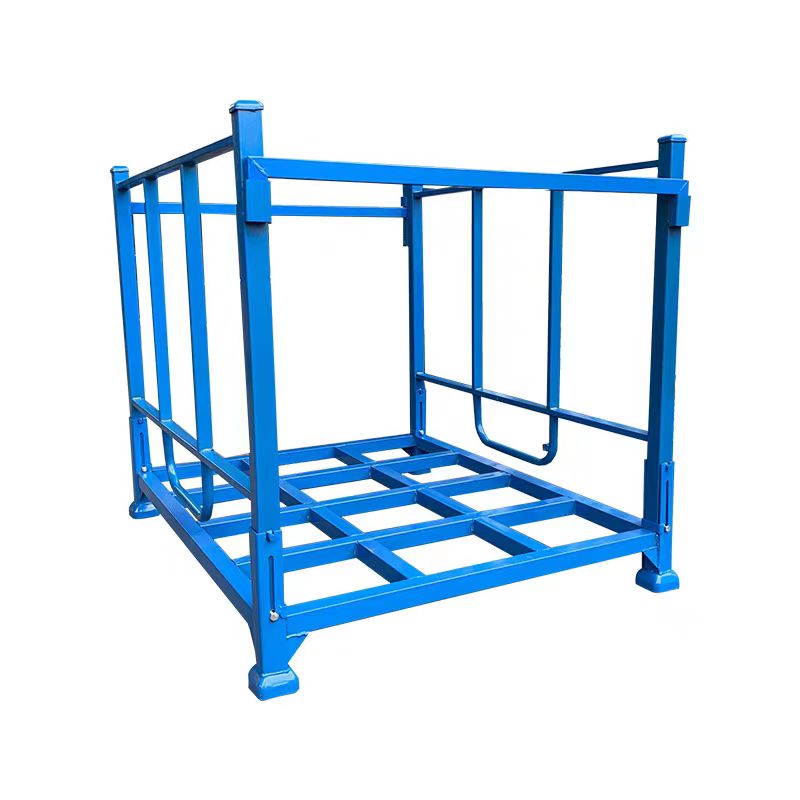
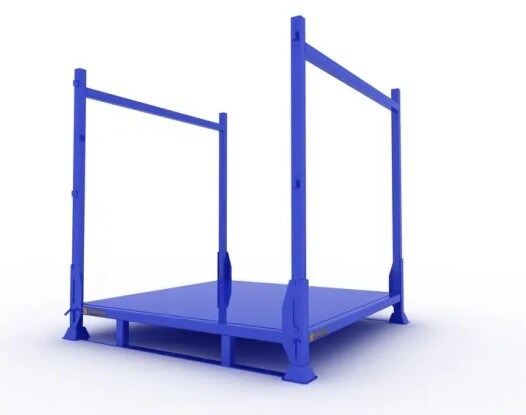
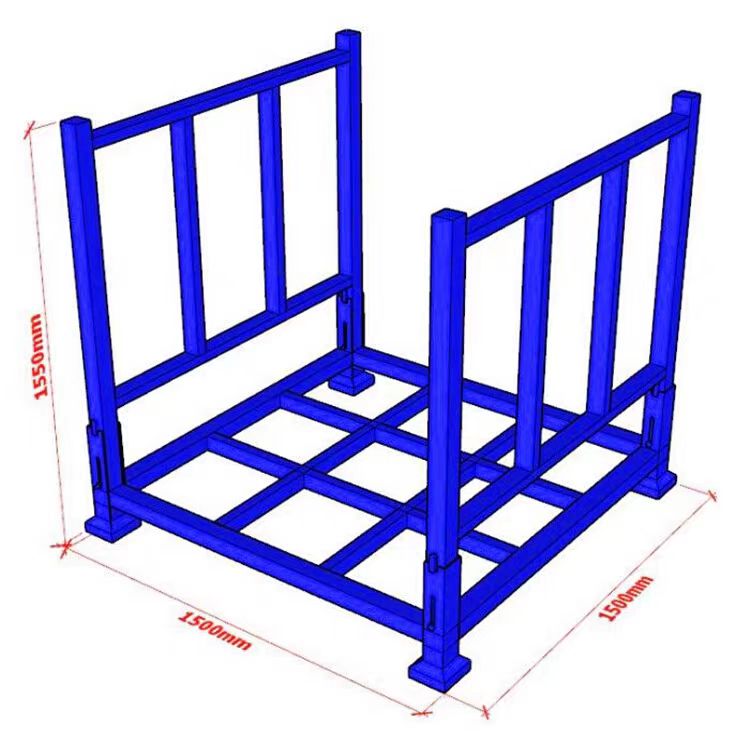
The frame is sized for the engineering area rather than the warehouse aisle. Steel posts and beams carry rated loads per level, footprints follow the space beside the build bench, and casters turn the whole rack into something that can be wheeled to a design review. Custom sizes mean the rack fits the programme, not the other way round, with height set so the top slot stays within reach.
Verification follows the parts. Loaded levels are tested to rating, inserts are checked for compression set after repeated use, curtain closures are cycled to confirm they still seal, and labels are tested for legibility after cleaning. What reaches the customer is storage that keeps a prototype identifiable for as long as the programme needs it.


