


| Quantity: | |
|---|---|
Metal
TOYOE
Floor space is the most expensive thing in a parts store, and most of it is wasted above waist height. A rack that only uses the first two metres of a five metre ceiling stores a fraction of what the same square metre could hold. The cheapest extra storage in any plant is the air directly above the racks already installed, and this design is built to claim it.
Layer planning starts with a tape measure. The tallest part in a family sets the pitch, and layers are spaced to that height plus handling clearance, never to a standard figure from a catalogue. A shelf that carried four tiers of low housings becomes six tiers at the same footprint, and the gain is measured in parts per square metre rather than in metres of rack.
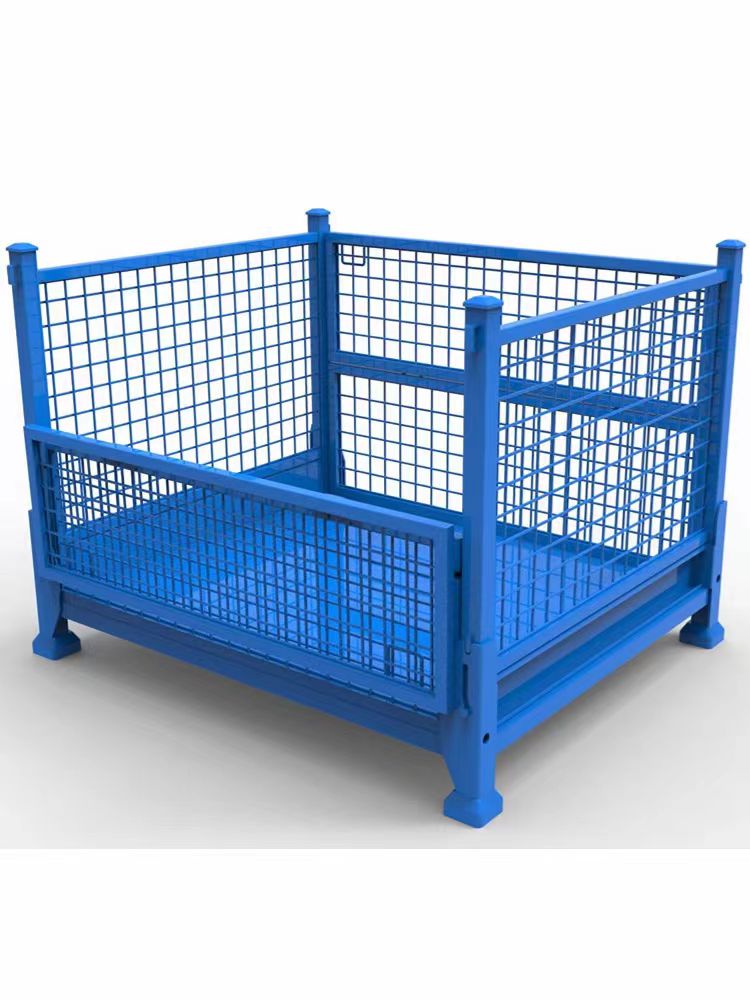
The top tier has to remain real storage. A layer above head height that needs a ladder to load stops being used within a month, so the top shelf is set for a person on a step or for a fork position, and the layers below it stay within easy reach. Height is planned from the operator upward, not from the floor upward, and a step stool belongs in the plan where a ladder does not.
Depth does the same work sideways. Rack depth is matched to the parts rather than to a default, so a shelf holding small components does not waste half its depth on air, and the space released becomes aisle. Narrower racks with honest depth give a cart room to turn, which is a gain operators feel every shift.
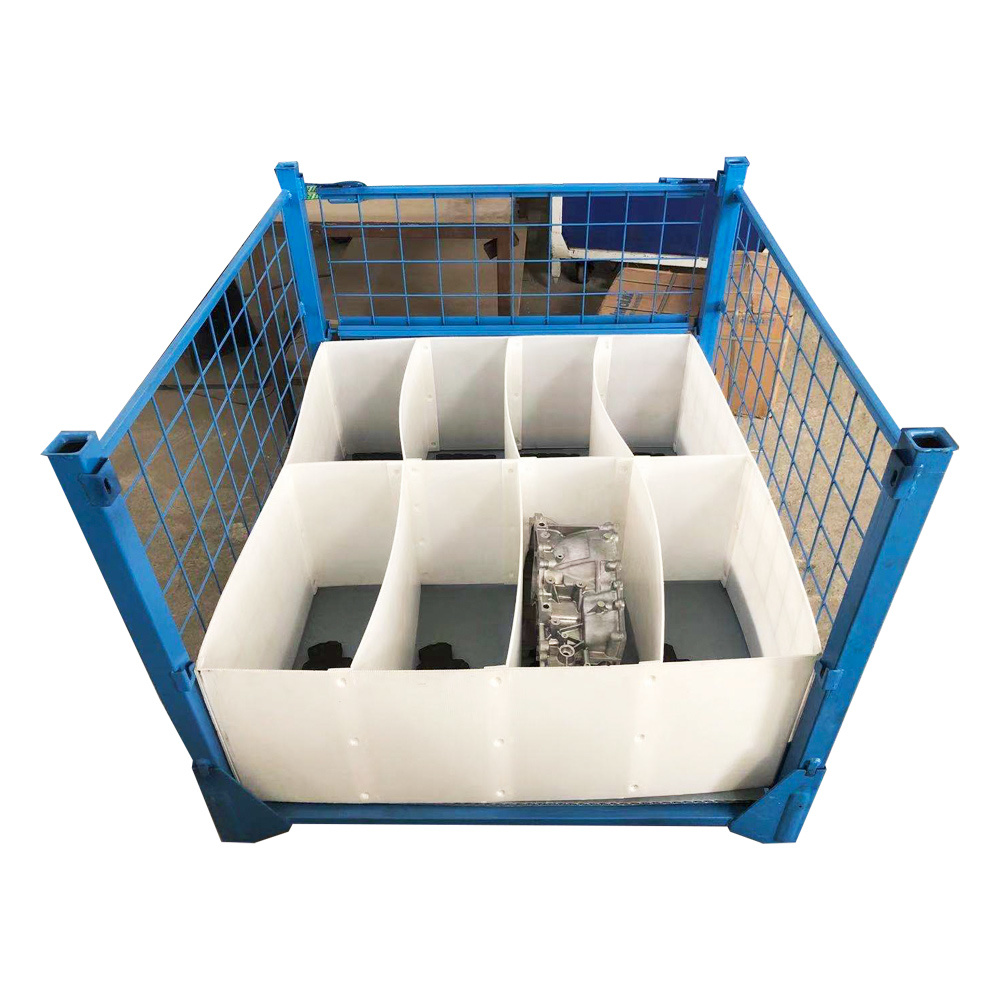
Growth is designed to happen on site. Posts take additional tiers without welding, layers are re-set by hand when the product mix changes, and a section added next year matches the one installed today because the parts are common. Storage capacity becomes something the plant can add in an afternoon instead of a capital project, with no welder and no shutdown.
Liners make tighter planning possible. PP, PU or PE inserts hold each part in place, so a layer does not need extra clearance for parts that might slide, and a padded surface means the shelf above can sit closer without risk to a painted face. The same inserts take the wear that would otherwise mark the parts and the steel.
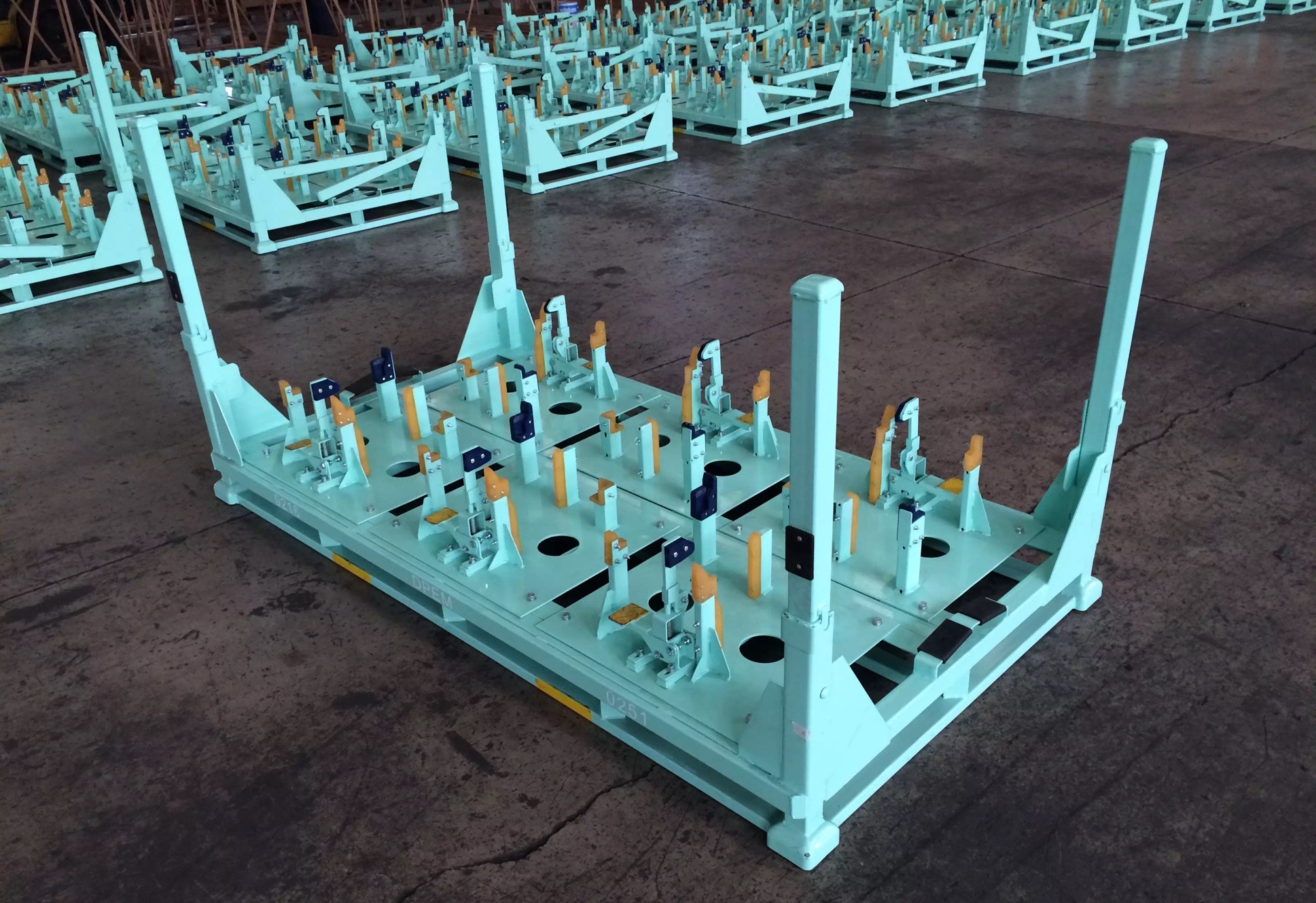
Verification is a measurement, not a promise. Parts per square metre are counted before and after a reconfiguration, every tier is load tested to its rating with deflection checked, and a reach test confirms that the top layer can be served without a ladder. What the customer buys is capacity, and capacity is what gets measured.


