


| Quantity: | |
|---|---|
Medical devices rarely ship alone. An instrument travels as a set: handpiece, sensor head, cables, calibration tools, each piece delicate and none of them interchangeable. When the set travels in loose foam, completeness is a guess. EPP inserts built as numbered cavities turn a collection of parts into a kit that anyone can check in seconds, and every piece rides in a pocket cut for it alone.
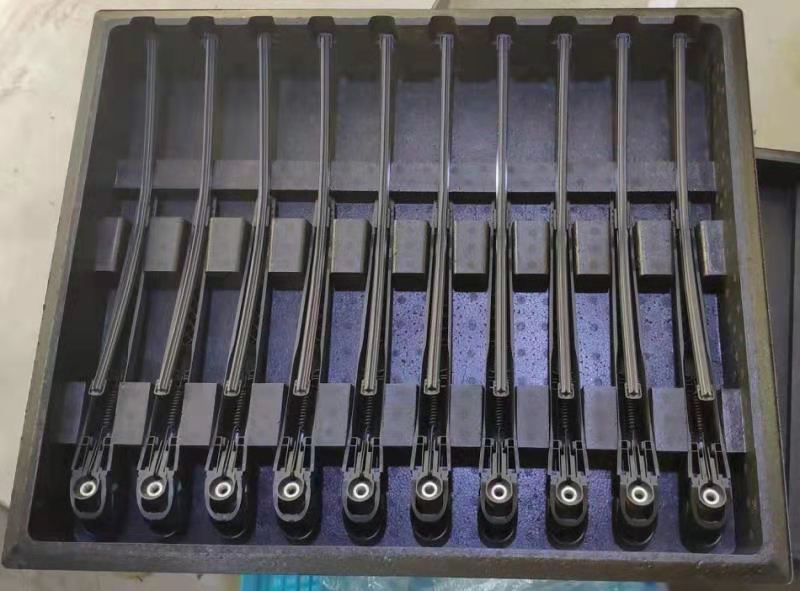
Completeness becomes visual. Each cavity carries its part number or an index, and an empty pocket shows as plainly as a missing tooth, so a picker verifies the set at a glance before the lid closes. Kits stop arriving incomplete, and the costly follow up shipments they trigger simply stop happening. For loaner sets circulating between hospitals, the same check works at every return.
Sterilization compatibility is built into the choice of material. The inserts are tested against ethylene oxide cycles and gamma exposure batch by batch, so a tray passes a sterilization tunnel or a gamma dose without the foam degrading, discoloring, or turning brittle. The closed cell matrix absorbs essentially no moisture, so it neither carries residual gases nor adds humidity to the load it protects.
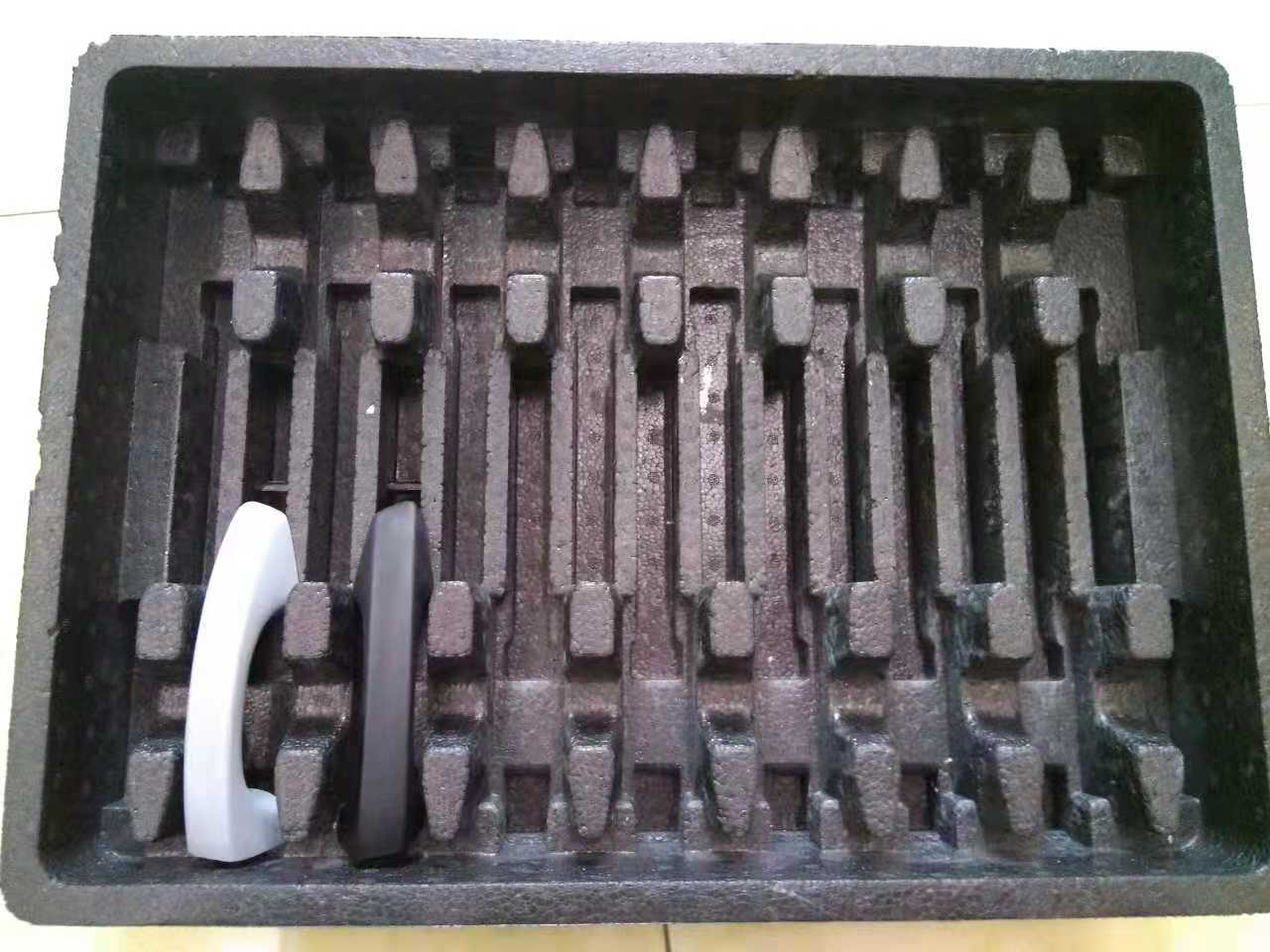
The surfaces behave like a clean room product. Molded beads leave a fused surface with no loose fibers, so nothing transfers onto optical benches or machined finishes, and a washed insert dries fast and re enters service the same day. Between loops the material holds its geometry through cold stores, warm trucks, and the handling of busy central supply rooms, so cavities stay tight for the life of the set.
Delicate members get their own logic. Handpieces sit nose down in deep pockets, probes rest in narrow channels wide enough to protect but tight enough to prevent roll, and heavy pump heads sit on lands that carry load to the tray floor. Where electronic sensors share the set, a dissipative ESD grade keeps static away from the components it guards.
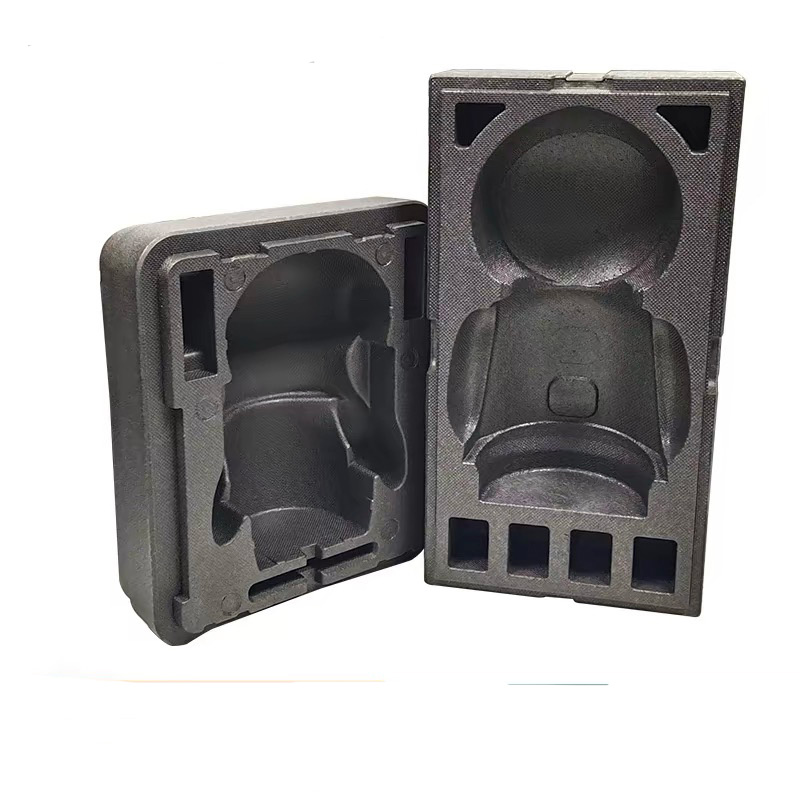
Behind the tray sits paperwork that audits expect. A material data sheet and batch traceability travel with each insert, density and geometry are held under change control, and a repeat order reproduces the validated design rather than a near version of it. Procurement inherits a stable item number instead of a moving target, which matters when a validated insert supports a regulated product.
To build a set insert, send the component drawings with dimensions and weights, the sterilization process the tray must survive, and the check routine your team uses. We will return a cavity layout with numbering, a density plan per member, and samples that let your team time a full kit verification against the old method.


