Custom wooden pallets offer tailored solutions for material handling and logistics needs that standard pallets cannot meet. By designing pallets to precise specifications, you ensure optimal fit, protection, and handling efficiency for unique products or shipping requirements. This approach goes beyond the "one-size-fits-all" limitations often encountered with mass-produced options.
The benefits extend far beyond mere dimensions. Customization enables engineered load capacities, selection of appropriate wood species based on durability or weight considerations, and adherence to sustainability goals through responsibly sourced materials. Applications range from specialized industrial handling of non-standard goods to creative uses in DIY projects and rustic furniture design.
This guide provides a detailed, step-by-step process for planning and building custom wooden pallets effectively and safely.
Planning Your Custom Pallet
Thorough planning is crucial for a successful custom pallet project, involving detailed analysis and decision-making to ensure the final product meets performance, safety, and longevity specifications, preventing costly errors.
Define Requirements and Specifications
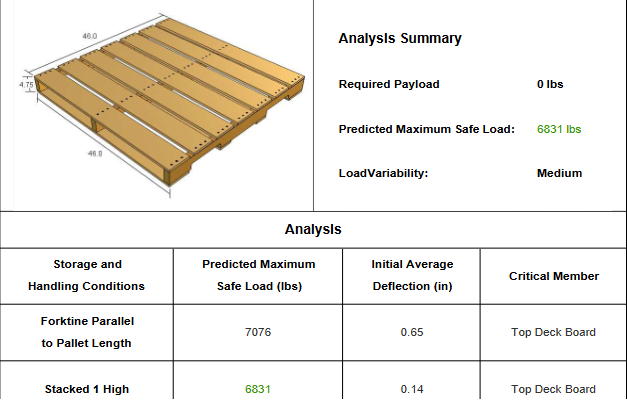
Begin by identifying the specific needs your custom pallet must fulfill. Determine the exact dimensions required to securely accommodate your product or to fit seamlessly within a particular storage or transportation system. Calculate the maximum static and dynamic load capacities necessary to safely support the cargo during handling, storage, and transit. Also consider the material handling equipment—such as forklifts or pallet jacks—that will interact with the pallet, ensuring full compatibility in terms of entry points and clearance.
Select Appropriate Lumber Materials
Choose wood species based on strength, durability, weight, cost, and environmental considerations. Softwoods like Spruce-Pine-Fir (SPF), commonly sourced in Canadian forestry, offer a cost-effective solution for general-purpose applications. Hardwoods such as maple or birch provide superior strength and durability for heavy-duty use. Additionally, account for regulatory requirements—particularly heat treatment (marked as “HT”) in compliance with ISPM 15 standards, which is mandatory for international shipments and enforced by agencies like the Canadian Food Inspection Agency (CFIA).
Determine Optimal Dimensions and Configuration
Based on your product and handling requirements, finalize the pallet’s length, width, and height. Decide between stringer-style or block-style construction, as this affects whether the pallet allows two-way or four-way forklift entry. Consider whether ventilation or solid surface support is needed, and specify the number and spacing of top and bottom deckboards accordingly. Ensure all dimensions align with any automated systems or racking infrastructure involved in your logistics workflow.
Design the Pallet Structure
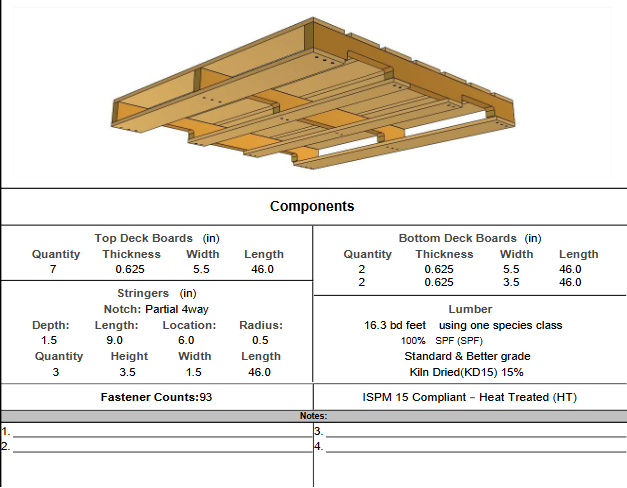
Develop detailed drawings or schematics of the pallet. This visual plan should clearly illustrate all components—including top and bottom deckboards, stringers or blocks—and their precise placement. Specify the thickness and width of each lumber piece. The design must guarantee structural integrity under expected loads, effectively distributing weight across support elements to prevent failure or deformation.
Generate a Comprehensive Cutting List
Translate the design into a practical cutting list that details the exact dimensions and quantities of lumber required. This list streamlines the fabrication process, minimizes material waste, and ensures all necessary components are prepared accurately. Before cutting any wood, cross-check the list against the design drawings to verify measurements for deckboards, stringers/blocks, and any reinforcement elements.
Address Treatment and Finishing Requirements
Determine whether special treatments are needed. Heat treatment (HT) is essential for international shipping to prevent pest transfer and comply with ISPM 15 regulations overseen by authorities like the CFIA. Optional finishes—such as paint or sealants—can enhance durability, enable color-coded identification, or meet hygiene standards in certain industries, though they add cost and complexity to production.
For example

Step-by-Step Construction Process
The construction phase involves precision, adherence to design specifications, and consistent assembly techniques to create a functional custom wood pallet, ensuring strength, durability, and usability.
Wear Appropriate Personal Protective Equipment (PPE)
Always wear safety glasses or goggles to protect your eyes from flying debris, wood chips, and dust. Use durable work gloves when handling lumber and tools to guard against cuts, scrapes, and splinters. When operating power tools such as circular saws or pneumatic nail guns, wear hearing protection—either earplugs or earmuffs—to prevent noise-induced hearing damage. Additionally, use a dust mask or respirator to minimize inhalation of wood dust, especially during cutting, sanding, or planing operations.
Follow Tool Safety Guidelines
Carefully read and adhere to the manufacturer’s instructions for all power tools (e.g., saws, nail guns) and hand tools (e.g., hammers, measuring devices). Ensure that all safety guards on power saws are properly installed and fully functional. Always disconnect power tools before changing blades or bits, clearing jams, or performing maintenance. Keep cutting blades sharp—this ensures cleaner cuts and reduces strain on both the tool and the operator.
Maintain a Safe Workspace
Keep your work area clean, organized, and free of clutter, wood shavings, and tripping hazards. Ensure adequate lighting to maintain clear visibility of your work and surroundings. Work on a stable, level surface—avoid uneven or slippery floors. Store lumber neatly and securely stacked to prevent it from falling or shifting. Provide proper ventilation, especially when working indoors, to control airborne wood dust and maintain air quality.
Practice Safe Material Handling
Use proper lifting techniques to avoid back injuries when moving lumber or assembled pallets: bend at the knees, keep your back straight, and lift with your legs—not your back. Ask for assistance when handling heavy, bulky, or awkward pieces. Be cautious of splinters and sharp edges when carrying wooden components. Stack finished pallets securely to prevent tipping or collapse.
Prevent Fire Hazards
Keep flammable materials—such as paints, solvents, and finishes—away from heat sources, sparks, and open flames. Store oily rags used for finishing in approved, sealed metal containers to prevent spontaneous combustion. Keep a readily accessible Class A fire extinguisher (rated for ordinary combustibles like wood) in your workspace, and ensure you know how to use it. Regularly inspect electrical cords and connections for damage, and replace or repair any frayed or compromised wiring immediately. By consistently applying these safety practices, you create a secure, efficient environment for building custom wooden pallets—protecting both yourself and the quality of your work.
Tips for Success
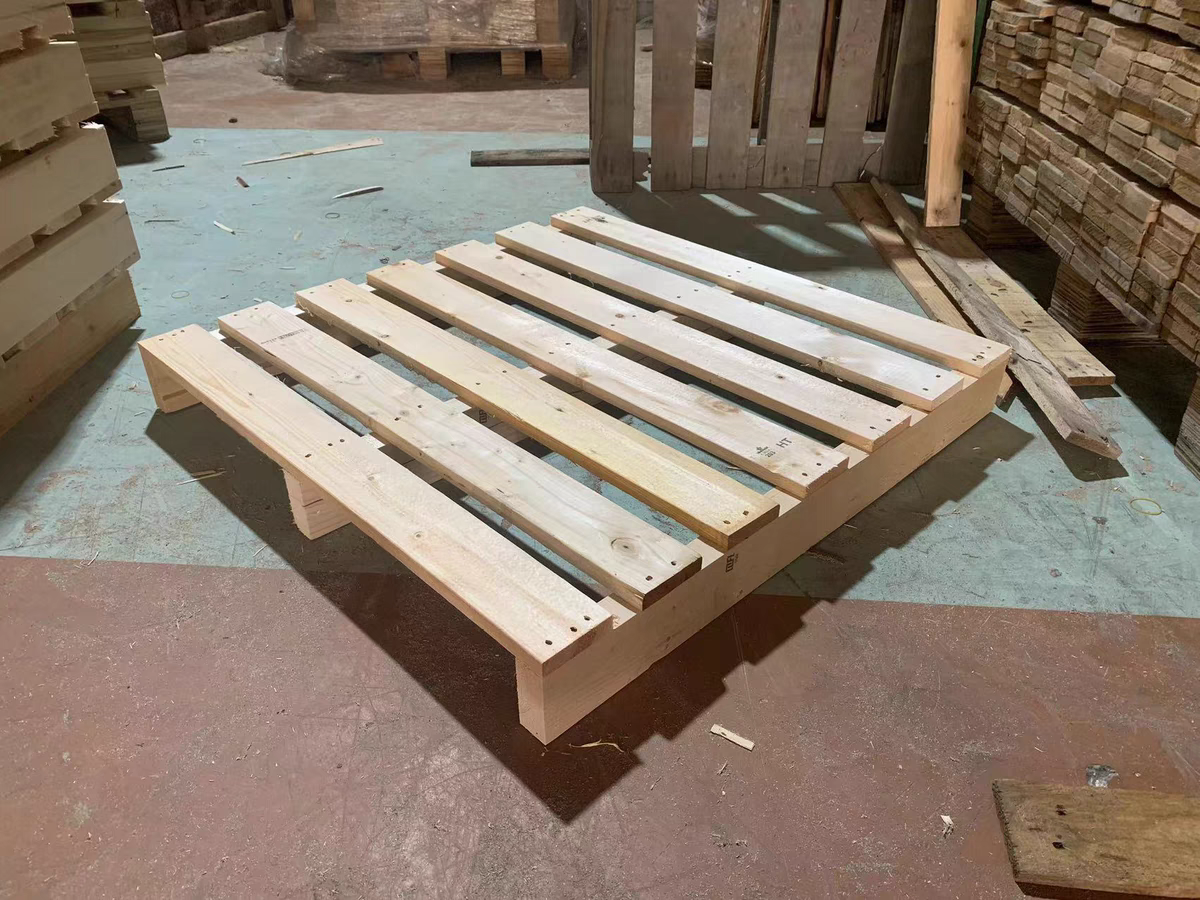
Custom wood pallet creation requires meticulous attention to detail, best practices, and informed choices to ensure durability, functionality, and a professional appearance.
Select High-Quality, Dry Lumber
Choose straight, defect-free lumber suitable for the intended load requirements. Avoid boards with large knots, cracks, or warping, as these compromise structural integrity. Ensure the wood has an appropriate moisture content—typically below 19%—to minimize shrinkage, warping, and potential fastener loosening after assembly. Kiln-dried (KD) or heat-treated (HT) lumber is generally preferred.
Measure Accurately and Consistently
Precision is critical in pallet construction. Before cutting, double-check all measurements using a reliable tape measure. Ensure consistent dimensions across identical components (e.g., deckboards and stringers). During assembly, frequently use a framing square to verify that joints meet at true right angles—essential for pallet stability and compatibility with material handling equipment.
Ensure the Pallet Is Square
A square pallet is easier to handle and stacks more safely. Verify squareness after assembling the base frame and again after attaching the top deckboards. Measure diagonally from corner to corner; both diagonal dimensions should be equal. Adjust components as needed to correct any racking or misalignment before final fastening.
Use Appropriate Fasteners Correctly
Select the proper type and size of nails or screws based on lumber thickness and load requirements. Ring-shank or spiral nails offer superior withdrawal resistance compared to smooth shank nails. Drive fasteners flush with the surface or slightly below—avoid over-driving (which can crush wood fibers) or under-driving (which leaves hazardous protrusions).
Test Load Capacity (When Feasible)
For critical or heavy-duty pallets, consider conducting controlled validation tests on sample units if practical and safe. This involves carefully applying a load slightly exceeding the design capacity to verify structural integrity. Such testing provides confidence in both design and workmanship. Custom Wooden Pallets: Precision Meets Purpose
Building custom wooden pallets is a meticulous process that offers significant advantages in material handling, storage efficiency, and creative application. By clearly defining requirements, responsibly sourcing materials, adhering to precise construction practices, and following safety protocols, pallets can be tailored to meet unique operational needs.
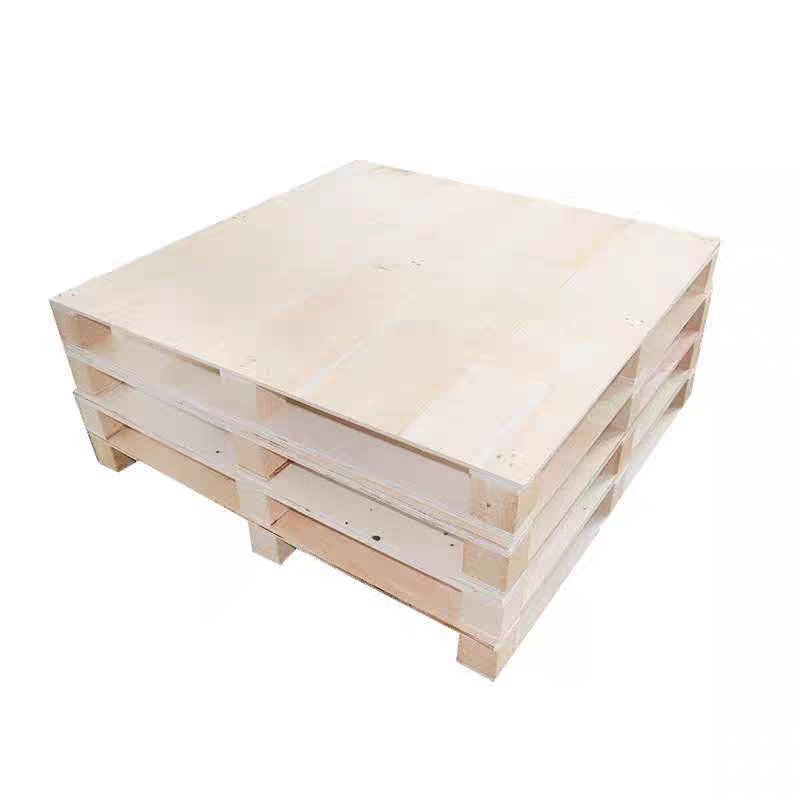
The Canadian Wood Pallet & Container Association (CWPCA) emphasizes the importance of quality and industry standards, ensuring compliance with ISPM 15 requirements for both domestic and international shipping.


