
Views: 0 Author: Site Editor Publish Time: 2026-08-26 Origin: Site
Sourcing warehouse storage demands careful attention as a high-stakes capital expenditure. You face significant operational risks if you miscalculate structural requirements for your facility. Getting these details wrong leads directly to catastrophic safety failures. It also causes massive workflow bottlenecks or forces highly expensive system replacements. Generic load ratings simply fall short for modern enterprise-level warehousing operations. Smart procurement requires exacting engineering parameters. These parameters must map perfectly to your specific inventory type. They must align closely with your material handling equipment and unique building limitations. This article provides a clear, engineering-aligned framework. We help define your exact structural requirements before requesting vendor quotes. You will explore critical dimensions, material choices, and essential safety codes. You will learn exactly how to build a robust specification profile for your next structural project.
Before selecting any steel components, you must evaluate the physical limitations of your warehouse space. Your building strictly dictates what you can safely install and operate.
The warehouse floor acts as the absolute foundational limit for any storage system. You might buy the strongest steel uprights available on the market today. However, a weak concrete slab will easily fail under heavy point loads. Soil bearing pressure and concrete PSI strictly restrict your maximum upright frame capacity. Engineers calculate the downward force exerted directly through the steel base plates. If the concrete remains too thin, heavy loads will eventually crack or puncture the slab. Always verify your floor's true structural capacity through core testing before finalizing frame designs.
Your material handling equipment directly influences your optimal rack design. You must clearly define the relationship between aisle width, maximum lift height, and rack depth. Reach trucks require entirely different aisle dimensions than standard counterbalance forklifts. A standard counterbalance aisle might measure twelve feet wide. Narrow aisle setups often shrink down to nine feet or less. Your maximum lift height also dictates proper top beam placement. You must ensure forklift masts can safely clear the highest pallet position without striking overhead obstructions.
Fire safety regulations non-negotiably shape your entire warehouse layout. National Fire Protection Association (NFPA) standards require specific spatial clearances. You must constantly maintain longitudinal and transverse flue spaces. A transverse flue space represents the vertical gap between pallets sitting side-by-side. A longitudinal flue space runs back-to-back between rack rows. These crucial gaps ensure overhead sprinklers can penetrate fire down to the floor level. Blocking these spaces violates local fire codes and risks catastrophic fire spread. Local fire marshals will halt your operations if they discover blocked flue spaces.
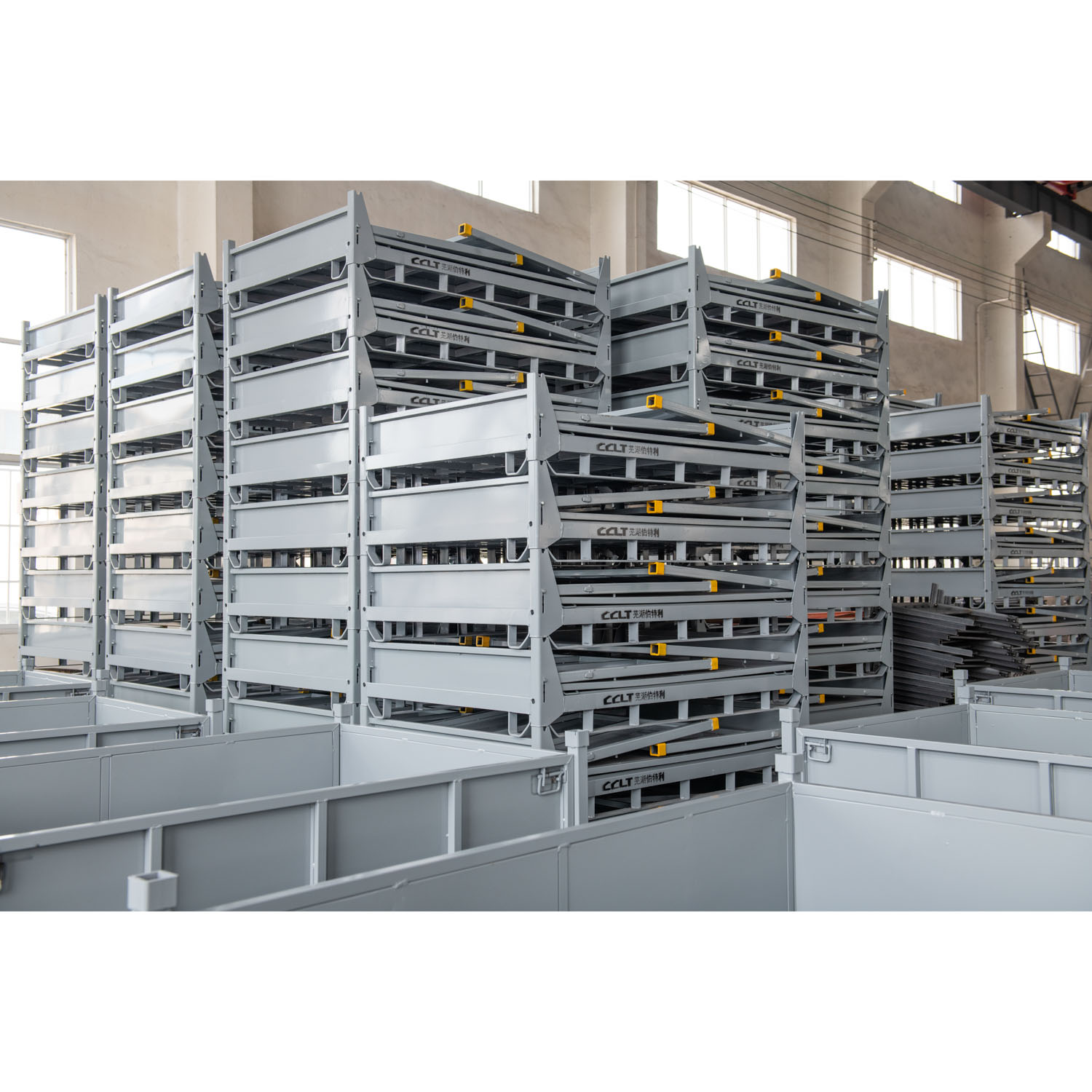
Once you understand facility constraints, you can drill down into actual hardware requirements. Defining exact metal pallet rack specifications prevents costly procurement mistakes during the buying cycle.
Upright frames form the vertical backbone of your structural storage system. You determine optimal frame depth based heavily on your standard pallet sizes. A 42-inch depth represents the industry standard for typical 48-inch long pallets. This geometry allows a safe three-inch overhang on the front and back of the beams. You base total frame height on your maximum ceiling clearance and forklift reach limits.
Steel gauge thickness significantly impacts overall system capacity. Manufacturers typically offer 14-gauge or 12-gauge steel for roll-formed configurations. A lower gauge number means thicker, considerably stronger steel. Upright post size also matters greatly for capacity scaling. A standard 3x3 inch post handles normal warehouse loads perfectly well. Heavy industrial applications often require massive 4x3 inch posts to support much denser inventory.
Beams support the horizontal weight of your stored goods. Standard step-beam profiles feature a specialized indented step along the top inside edge. This step securely holds wire decking or pallet crossbars. Standard beam lengths usually measure 96 inches, 108 inches, or 144 inches. A 96-inch beam typically holds two standard pallets side-by-side.
Implementation Reality: Beam length dramatically affects your structural integrity. Longer beams exponentially reduce total weight capacity. A 144-inch beam holding three pallets flexes significantly more than a shorter alternative. You must match beam length exactly to your load requirements. This precision prevents dangerous downward deflection. RMI standards strictly limit acceptable beam deflection to 1/180th of the span length.
You must differentiate clearly between static loads and dynamic loads. Static load refers strictly to the stationary weight resting on the beams. Dynamic loads factor in the massive impact forces generated when forklifts drop pallets into place. Specialized industrial applications demand fully customized engineering support. For example, integrating an internal automotive rack heavy duty metal setup requires highly specialized engineered load tables. Standard catalog estimates fail completely to account for unique automotive part densities. Always demand engineered tables mapped specifically to your heaviest possible SKU.
Selecting the right steel type dictates how well your system survives daily industrial operations. You must balance upfront capital costs against long-term operational resilience.
Manufacturers produce roll-formed components by cold-rolling flat coil steel into shape at room temperature.
Structural components utilize heavy, hot-rolled steel channels.
Table: Structural Steel vs. Roll-Formed Steel Comparison
| Feature Parameter | Roll-Formed Steel | Structural Steel |
|---|---|---|
| Manufacturing Process | Cold-rolled directly from steel coils | Hot-rolled thick channel steel |
| Connection Style | Rivet and slot (Teardrop) | Heavy-duty bolted hardware |
| Impact Resistance | Moderate (vulnerable to forklift strikes) | Extremely High (resists severe impacts) |
| Best Use Case | Standard retail or general 3PL warehousing | Cold storage, beverage, heavy manufacturing |
Warehouses often grow in separate phases over many years. This phased growth introduces significant structural risks regarding component compatibility and overall workplace safety.
The material handling industry uses several distinct connection designs. Teardrop represents the most common punch style globally. Slotted and proprietary connections also exist in older facilities. You must never mix incompatible brands together. Many warehouse managers falsely assume any teardrop beam safely fits any teardrop upright. This false assumption creates massive legal liability. Mixing brands instantly voids original manufacturer warranties. It also completely invalidates all original engineering safety certifications. If a catastrophic accident occurs, the warehouse owner bears full legal responsibility.
Geographic location heavily dictates your final steel requirements. Local seismic design categories (SDC) enforce strict modifications for any metal pallet rack installation. Facilities located in high-risk seismic zones require substantial structural upgrades. Professional engineers must specify larger base plates for better downward weight distribution. You may also need heavy-duty concrete anchoring systems and specialized seismic backing panels. Earthquakes induce massive lateral shear forces. Standard rack designs will easily collapse under these violent lateral shifts.
Buying used components might initially seem like a smart budget decision. However, this approach carries hidden, severe dangers for your facility.
Partnering with the right vendor is just as crucial as selecting the right steel gauge. You need a reliable partner who deeply understands complex engineering environments.
A highly credible metal pallet rack supplier must provide verifiable technical documentation. They should gladly supply load capacity plaques fully certified by the Rack Manufacturers Institute (RMI). They must also produce detailed AutoCAD facility layouts upon request. These engineering drawings ensure every single aisle and clearance meets local fire codes perfectly before actual installation begins.
High-quality steel forms the absolute foundation of warehouse safety. Ensure your chosen supplier can verify their exact steel mill source. They should provide official Mill Test Reports (MTRs) during the procurement phase. These technical reports confirm the steel's precise chemical composition and minimum yield strength. Material traceability guarantees you actually receive the exact steel grade you originally ordered.
Avoid highly fragmented, multi-vendor procurement processes whenever possible. You should shortlist dedicated suppliers capable of managing the entire project lifecycle. A true turnkey partner handles custom manufacturing, complex freight logistics, and specialized site offloading. They always employ professional, factory-certified installation crews. Crucially, they manage the complicated local permitting and inspection process on your behalf. This unified approach eliminates costly project delays and dangerous miscommunications between separate contractors.
Sourcing structural racking constitutes a critical engineering decision, not just a routine procurement purchase. Exact specifications directly dictate your facility's safety, code compliance, and daily throughput capabilities. Overlooking small details can lead to severe operational consequences down the line.
Take these action-oriented next steps:
A: Calculate the maximum weight of your heaviest single pallet. Next, multiply this figure by the number of pallets per beam level. You must also factor in overall beam length and vertical beam spacing, known as the unsupported span. Always consult the manufacturer load tables to verify safe capacities for your exact configuration.
A: Teardrop utilizes roll-formed steel with a rivet-and-slot design. This allows for very quick assembly and easy vertical adjustments. Structural racking uses much thicker, hot-rolled steel channels. It relies entirely on heavy bolted connections to provide significantly higher impact resistance against industrial forklifts.
A: While many teardrop components technically fit together physically, you should absolutely avoid mixing them. Mixing brands generally voids all manufacturer load ratings and engineering warranties. It essentially transfers all legal liability directly to the warehouse owner in the event of a structural failure.
A: Standard uprights are typically 42 inches deep to support common pallets. Common beam lengths measure 96 inches to hold two standard 40x48 pallets. You might use 144-inch beams for three full pallets. Vertical heights vary strictly based on your specific building limits and forklift reach capabilities.

