
Views: 0 Author: Site Editor Publish Time: 2026-01-05 Origin: Site
Reusable bulk containers are transforming industries globally. These containers provide a sustainable, cost-effective alternative to traditional packaging. Their environmental benefits and long-term cost savings make them a smart choice for businesses aiming for efficiency and responsibility.
In this article, we’ll explore how reusable bulk containers help businesses reduce waste, save costs, and meet sustainability goals. You’ll learn why they are essential for companies looking to enhance both their operations and brand image.
Traditional single-use packaging contributes significantly to waste, often ending up in landfills or oceans. Reusable bulk containers, however, are designed to be used multiple times, drastically cutting down on waste. Their durable construction allows them to withstand numerous cycles, reducing the need for new containers.
By choosing reusable bulk containers, businesses help reduce the consumption of raw materials needed to produce new packaging. This shift to reusability supports broader environmental goals, helping companies meet sustainability targets and enhance their green credentials.
Aspect | Traditional Single-Use Packaging | Reusable Bulk Containers |
Usage Cycle | Single-use | Multiple uses |
Impact on Waste | Contributes to landfills/oceans | Reduces waste |
Raw Material Consumption | High | Low |
Environmental Contribution | Minimal | Supports sustainability |
The environmental benefits of reusable bulk containers extend beyond waste reduction. Their use helps lower carbon emissions linked to packaging production and transportation. Unlike single-use containers, which require new materials and energy for each production cycle, reusable containers can be recycled or reused indefinitely, significantly cutting the carbon footprint.
Furthermore, reusable containers are often lighter and more compact than their single-use counterparts, which improves transportation efficiency. This results in fewer trips, lower fuel consumption, and reduced overall emissions, benefiting both the environment and business bottom lines.
Reusable bulk containers are designed for longevity, and at the end of their useful life, they can be fully recycled. This end-of-life recyclability ensures that they won’t end up in landfills. The concept of a "closed-loop" system—where products are continually reused and recycled—can greatly reduce the strain on natural resources and minimize environmental impact.
Companies using reusable containers demonstrate a commitment to full lifecycle management, contributing to both environmental sustainability and resource conservation.
Although the initial cost of reusable bulk containers is typically higher than single-use alternatives, the long-term savings are substantial. Businesses that choose reusable containers can significantly reduce their packaging costs over time. These savings come from the containers' durability, which allows them to be used for years rather than disposed of after a single use.
Moreover, reusable bulk containers often come with rental and pooling programs that reduce upfront costs and offer businesses flexible usage options. This makes them a financially viable choice, especially for companies with high-volume or repetitive packaging needs.
The design of reusable bulk containers further enhances cost savings. Many of these containers are foldable, allowing for efficient storage when not in use. This design reduces the space required for storage and enables businesses to transport empty containers more effectively. By folding up unused containers, companies can save on storage and shipping costs, which is especially important in industries with large-scale logistics operations.
In addition, because reusable bulk containers are standardized in size and shape, they allow for more efficient packing and transportation, maximizing truck space and reducing the number of trips needed to move goods.
Reusable bulk containers streamline the supply chain by offering consistent, reliable, and durable packaging solutions. Unlike single-use options that can degrade during transit, reusable containers are built to last, reducing the likelihood of product damage. This reliability improves operational efficiency by decreasing delays, minimizing waste, and ensuring that goods are delivered safely and intact.
Businesses can also leverage the ease of use and durability of these containers to optimize their overall supply chain processes, leading to more predictable lead times and reduced costs.
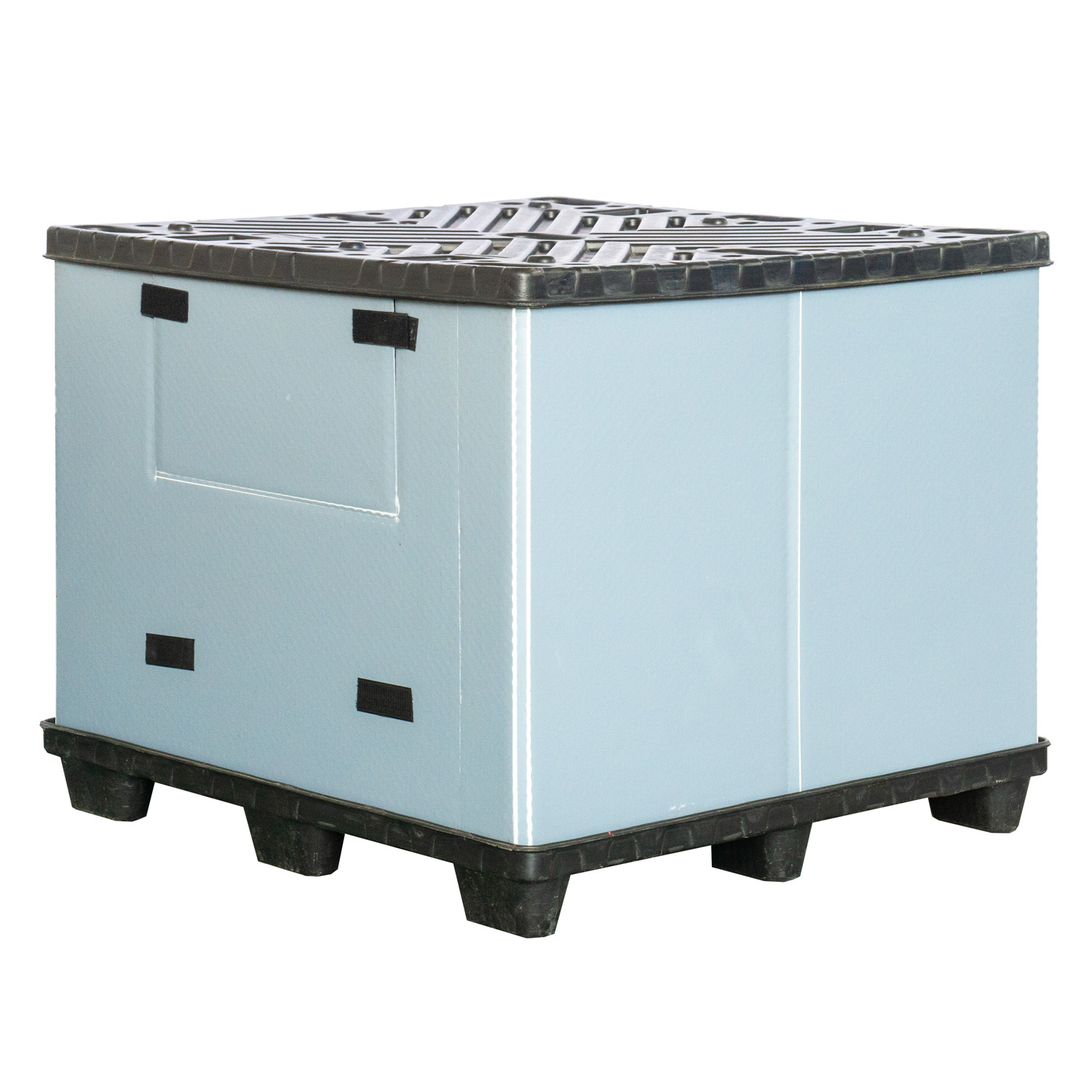
Today's consumers are increasingly concerned about sustainability. They want to purchase from brands that are environmentally responsible. By using reusable bulk containers, businesses can demonstrate their commitment to reducing waste, conserving resources, and supporting sustainability.
This commitment can enhance a company's image, making it more attractive to eco-conscious consumers. In fact, many customers now prefer to buy from brands that use sustainable packaging, recognizing these companies as leaders in environmental responsibility.
Governments and industry regulators worldwide are placing greater emphasis on environmental standards. In many regions, regulations are now encouraging or even requiring the use of reusable packaging to reduce waste and promote sustainability.
By adopting reusable bulk containers, companies can ensure they are compliant with these evolving regulations, avoiding potential fines or penalties. This proactive approach also positions businesses as leaders in sustainability within their respective industries.
Eco-conscious consumers are becoming a major force in the marketplace, and they are more likely to support brands that prioritize environmental sustainability. By implementing reusable packaging solutions, companies can attract this growing demographic, fostering customer loyalty and differentiating themselves from competitors.
Reusable bulk containers are particularly beneficial in the food and beverage industry. They ensure that products remain safe and hygienic during transport, reducing the risk of contamination. Additionally, their durability helps minimize waste, making them a more sustainable packaging solution compared to single-use alternatives.
These containers are also designed to be easy to clean, ensuring that they meet the strict hygiene standards required in food handling.
In the chemical and pharmaceutical industries, hygiene and contamination prevention are crucial. Reusable bulk containers are built to meet these high standards, offering clean, reliable, and durable solutions for transporting sensitive materials. Their design helps avoid contamination, ensuring product integrity throughout the supply chain.
The logistics and warehousing industries benefit greatly from reusable bulk containers. Their stackability and durability allow for more efficient use of space, both in storage and transportation. By reducing the amount of single-use packaging, businesses can streamline their operations and reduce waste, leading to significant cost savings.
Industry | Key Benefits | Features |
Food and Beverage Industry | Safe, hygienic transport, waste reduction | Easy to clean, durable |
Chemical and Pharmaceutical | Hygiene, contamination prevention | Reliable, durable, contamination-free |
Logistics and Warehousing | Efficient space usage, cost savings | Stackable, reduces single-use packaging |
Many modern reusable bulk containers come equipped with barcode technology or IoT sensors, which allow businesses to track the movement of their goods throughout the supply chain. This feature provides valuable insights into inventory management, helps prevent loss, and ensures that products are delivered on time and in optimal condition.
Reusable bulk containers are increasingly designed to integrate with automated systems, improving efficiency in warehouses and distribution centers. Their standardized dimensions allow them to fit seamlessly into automated sorting and handling systems, reducing manual labor and increasing throughput.
When selecting reusable bulk containers, businesses should carefully consider their specific needs. Factors such as the weight and fragility of the product, required storage conditions, and transportation logistics play a key role in choosing the right container.
Businesses should ensure that their choice of packaging aligns with their sustainability goals and complies with relevant industry regulations. Choosing reusable containers that can be recycled or repurposed can help meet these objectives while also contributing to corporate social responsibility.
Consideration | Key Factors to Address | Outcome |
Business Needs and Product Characteristics | Weight, fragility, storage, logistics | Choose containers that suit product needs |
Environmental Goals and Regulatory Compliance | Sustainability goals, industry regulations | Align with environmental and regulatory standards |
Reusable bulk containers provide businesses with numerous benefits, including cost savings, improved supply chain efficiency, and enhanced sustainability. They help minimize waste, reduce carbon emissions, and boost brand image. Companies like Zhangjiagang Fenghui Logistics Equipment Co., Ltd. offer durable and efficient container solutions that meet both operational and environmental goals, making them a smart investment for long-term success.
A: A reusable bulk container is a durable and versatile packaging solution designed for multiple uses. These containers are commonly used in various industries to store and transport goods while minimizing waste and cost.
A: Reusable bulk containers help businesses reduce waste, save costs, and improve sustainability efforts. They lower carbon emissions and enhance supply chain efficiency, making them a smart investment for long-term success.
A: Reusable bulk containers minimize single-use packaging, reduce waste, and lower carbon emissions. Their design also supports recycling, contributing to environmental sustainability and helping businesses meet eco-friendly goals.
A: While reusable bulk containers may have a higher initial cost, they offer significant long-term savings. Their durability and ability to be reused multiple times reduce the need for constant repurchasing and disposal costs.
A: Yes, reusable bulk containers optimize storage and transportation, reducing wasted space and minimizing product damage. Their durability and stackability enhance logistics, leading to more efficient supply chain operations.
A: Integrating reusable bulk containers involves selecting the right size and type for your products, using them across your supply chain, and ensuring proper handling and cleaning to maintain their longevity and effectiveness.

