
Views: 0 Author: Site Editor Publish Time: 2026-10-01 Origin: Site
Bulk material transport presents a massive logistical challenge. Supply chain managers must constantly balance container reuse against strict hygiene standards and contamination controls. The sheer volume of industrial transport makes even minor inefficiencies expensive. Rigid containers demand intense deep-cleaning between loads. This cleaning process quickly becomes a severe operational bottleneck. Facilities spend massive resources scrubbing, drying, and testing bins to ensure product safety.
Enter the pallet box liner. We should not view this simple barrier as just another disposable packaging accessory. It acts as a highly strategic mechanism for supply chain risk mitigation. Liners ensure strict regulatory compliance while actively controlling expenses across high-stakes industries. In this guide, you will discover how material selection impacts fill efficiency and residual waste. We will explore core applications demanding single-use barriers. You will also learn how to match liner specifications perfectly to your existing container fleets.
Managing unlined bulk containers carries heavy hidden expenses. Facilities often underestimate the operational drain of reverse logistics. Empty bins return to the depot requiring commercial-grade washing. You must pay for heated water, specialized chemical detergents, and extensive drying time. Moving empty bins to a dedicated washing facility adds transport costs. Quality control teams then perform rigorous bacterial testing before the next use. These steps consume expensive labor hours and delay container redeployment.
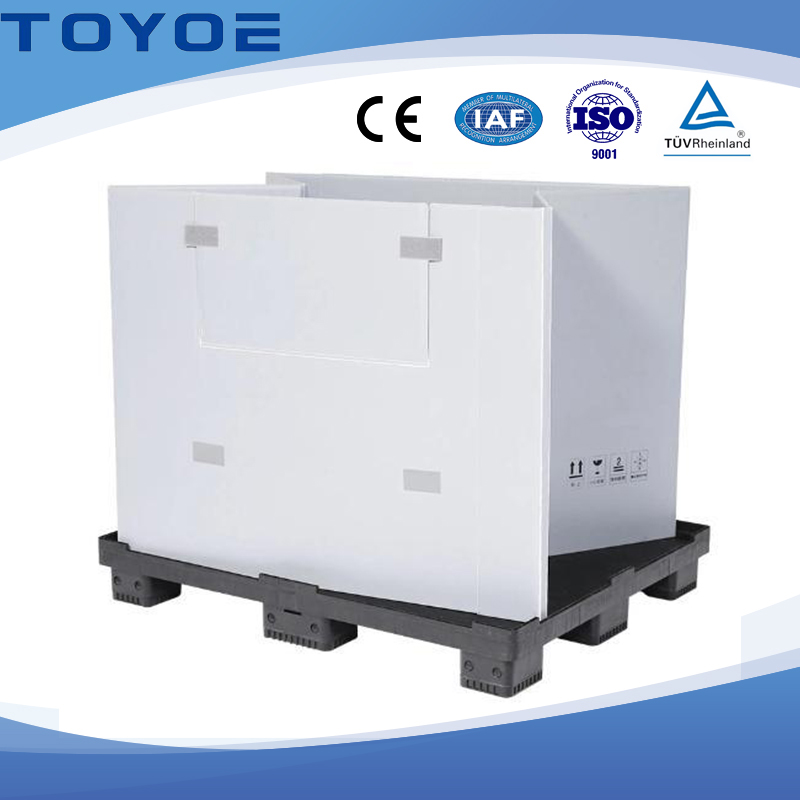
Integrating a lined plastic pallet box changes this dynamic entirely. You eliminate complex sanitation cycles from your facility. Instead, you introduce a predictable, fixed unit cost per trip. The inner barrier handles the hygiene requirements completely. The rigid outer box simply handles the structural load. This financial shift allows companies to forecast transport budgets much more accurately.
Let us examine risk mitigation. Modern supply chains frequently rely on pooled or rented container fleets. You rarely know a rented bin's previous cargo. It might have held agricultural allergens, aggressive solvents, or industrial machining oils. Trace residues often survive even rigorous commercial cleaning protocols. A fresh inner bag eliminates cross-contamination risks instantly. It provides an isolated, sterile environment for your sensitive goods. You never have to worry about the container's history.
Finally, consider overall asset longevity. Rigid plastic containers represent significant capital investments. Harsh industrial chemicals degrade plastic polymers over time. Highly pigmented products cause permanent, unsightly staining. Sharp or abrasive bulk solids scratch internal plastic walls. These micro-abrasions harbor bacteria and weaken the entire structure. A protective barrier shields the container's interior completely. You extend the usable lifecycle of your expensive fleet significantly by preventing this daily wear and tear.
Certain industries face incredibly strict regulatory environments. Operational shortcuts can result in catastrophic product recalls. A reliable pallet box liner becomes absolutely non-negotiable in these sectors.
Direct food contact demands rigorous oversight. Agencies like the FDA and EFSA enforce strict aseptic control requirements globally. You cannot risk bacterial growth during transit. Fruit purees, liquid dairy, and raw meat transport rely heavily on lined containers. The barrier guarantees a sterile payload zone from start to finish. It prevents natural food acids from leaching container plastics into the consumable product. It also stops external spoilage organisms from entering the batch. Liquid foods pose special mechanical challenges. Sloshing forces push heavy liquids into every corner of the container. A sealed barrier ensures absolute containment during these dynamic transit shifts.
Pharmaceutical manufacturing operates under zero-tolerance contamination policies. Cosmetics face similar regulatory scrutiny regarding microbial purity. These sectors transport active pharmaceutical ingredients (APIs), bulk cosmetic creams, and fine medical powders. They require pharmaceutical-grade physical protection. Airborne particulates compromise entire batches easily. A sealed inner barrier protects against facility dust, humidity, and stray particulates. It guarantees the product arrives at the packaging line exactly as it left the compounding room. This traceability supports crucial Good Manufacturing Practice (GMP) audit trails.
Industrial chemicals pose a totally different kind of threat. Many reactive chemical compounds eat through standard container walls rapidly. High-viscosity industrial resins stick aggressively to unprotected surfaces. Unloading an unlined bin full of curing adhesive is nearly impossible. Operators often have to discard the entire bin. The inner bag serves as a vital sacrificial barrier. It absorbs the chemical aggression fully. When you discharge the resin, you simply remove the bag entirely. The underlying rigid container remains spotless and ready for immediate redeployment.
Selecting the right inner packaging requires precise mechanical engineering. A mismatched barrier causes severe transit failures and massive product loss. You must evaluate base materials, structural formats, and discharge methods carefully.
Table 1: Liner Material Comparison and Applications
| Material Type | Best Industry Applications | Key Protective Properties |
|---|---|---|
| Standard PE (Polyethylene) | Dry bulk, basic liquids, non-sensitive goods | Basic dust protection, minor moisture resistance |
| EVOH Co-extrusion | Food pastes, cosmetics, oxygen-sensitive goods | Blocks oxygen, retains aromas, allows metal detection |
| High-Barrier Aluminum Foils | Sensitive chemicals, reactive APIs, UV-sensitive items | Total block of oxygen, UV light, and severe moisture |
Different payloads demand highly specific polymer configurations.
The physical shape of the barrier impacts your operational efficiency directly. We primarily see two structural formats used industrially.
Form-Fit liners are perfectly cube-shaped. Manufacturers weld the seams to precisely match the internal dimensions of your specific box. This tailored design creates zero internal folds or creases. It maximizes your available payload volume. A smooth interior surface minimizes trapped product during discharge operations. You reduce costly residual waste significantly.
Gusseted or pillow designs offer a much more cost-effective upfront price. However, they do not hug the container walls perfectly. They fold and crease heavily upon filling. These deep creases trap valuable liquids or expensive fine powders. They also lower overall fill efficiencies by trapping pockets of air.
Liquid and semi-liquid extraction requires specialized equipment setups. You must evaluate barrier integration regarding bottom-discharge valves. Typical bulk containers feature 2-inch or 3-inch butterfly valves at the base. The barrier must feature a highly compatible, pre-welded plastic flange. Operators pull this precise flange through the container's valve opening. Proper alignment ensures a seamless, leak-proof liquid discharge process without choking the valve mechanism.
Theoretical benefits mean little if the packaging solution fails in practice. You must understand the harsh physical realities of the global supply chain.
Transport vibration destroys inadequate packaging quickly. Trucks, freight trains, and cargo ships generate constant, severe mechanical stress. A poorly sized bag will stretch far beyond its plastic yield point. It will suffer microscopic stress cracks or tear completely open. Many warehouse operators mistakenly assume any large plastic bag works. This dangerous assumption leads to catastrophic liquid leaks. Liquid payloads generate massive hydraulic shock waves during sudden truck stops. The barrier must absorb this intense kinetic energy without rupturing. Specialized flex-crack resistant polymers remain absolutely necessary for long-haul liquid transit.
Human error introduces significant program adoption risks. Forklift tines frequently puncture outer container walls and pierce the delicate inner barrier. Warehouse operators sometimes use excessively sharp tools during unpacking. They accidentally slash the protective plastic. Improper manual fitting also causes frequent problems. If workers fail to smooth the bottom corners before filling, the heavy payload will overstretch the plastic base. Proper operator training heavily mitigates these common handling vulnerabilities.
We must maintain a balanced, objective perspective regarding single-use plastics. Discarding a large plastic bag after one trip seems environmentally taxing initially. However, we must accurately compare this disposal against the alternative methods. Industrial container washing consumes thousands of gallons of clean freshwater daily. Facilities require massive energy inputs to heat that washing water. The cleaning process generates highly toxic chemical wastewater requiring special treatment. Often, safely disposing of a lightweight, highly efficient plastic barrier has a lower overall environmental impact. This complex trade-off requires careful lifecycle analysis for each specific processing facility.
Moving from a rough concept to active deployment requires a highly structured approach. Follow this shortlisting logic to specify your ideal packaging system.
Completing these three steps ensures your financial investment delivers actual, measurable operational value.
The true effectiveness of any industrial pallet box relies entirely upon its inner environment. A robust rigid outer shell means very little if the internal hygiene fails completely. We must stop viewing these plastic barriers as simple, cheap commodities. They act as active, essential guardians of your product integrity.
Evaluating these systems requires looking far past upfront unit prices. You must fully understand their broader, long-term impact on labor hours, strict regulatory compliance, and expensive product loss. A slightly higher initial investment in a custom form-fit barrier pays off rapidly. It virtually eliminates valuable residual waste. It completely removes the massive bottleneck of commercial washing from your busy depot.
Review your current bulk transport strategy today. Request a detailed material specification sheet from your primary packaging supplier. Consult directly with a specialized packaging engineer to match your specific payload precisely with the correct polymer technology. Proactive choices today build a much more resilient supply chain tomorrow.
A: No, you should never reuse them. Manufacturers design these items strictly for single-use applications. Reusing them introduces severe hygiene risks and unpredictable structural vulnerabilities. Attempting to wash them compromises their protective barrier properties. Single-use deployment remains the only way to guarantee absolute purity and prevent cross-contamination between different product batches.
A: The rigid outer box always dictates the ultimate physical weight capacity. However, poor liner sizing can severely reduce your available volumetric capacity. A cheap gusseted bag folds over itself, traps dead air, and restricts the actual payload space. A custom form-fit design maximizes volumetric capacity by hugging the internal container walls perfectly.
A: Operators use several distinct methods to prevent the bag from collapsing inward during rapid filling. You can overlap the top rim of the bag securely over the container's exterior edges. Many designs include integrated corner ties to anchor the material firmly. Liquid applications secure the entire system by locking the bottom flange directly into the rigid discharge valve.
A: Standard polyethylene (PE) versions are highly recyclable through conventional industrial plastic waste streams. Multi-layer structures present more logistical challenges. Barriers combining PE with EVOH or aluminum foil require highly specialized recycling facilities. You should always consult your local industrial waste management partner to determine the correct disposal or recycling pathway for complex multi-layer films.

