
Views: 0 Author: Site Editor Publish Time: 2025-11-05 Origin: Site
You should choose coaming crates that fit your product. The crate must also match your shipping needs. If the box is too big, things can move and break. Weak materials may bend or break with heavy stuff. Bad cushioning can cause your items to get damaged. The right crate keeps your things safe and saves money. Think about size, material, strength, rules, price, and custom options. Look at the table below to compare coaming crates with other choices.
Feature | Coaming Crates | Shipping Containers |
|---|---|---|
Material | Usually made of wood | Mostly made of Corten steel |
Protection | Gives great protection and support | Built to handle tough conditions |
Eco-friendliness | Made from nature and can be reused | Not as eco-friendly because of steel |
Customizability | Easy to customize | Hard to change or customize |
Cost Efficiency | Saves money for big shipments | Costs more at first |
Pick coaming crates that match your product’s size and weight. This helps stop damage when shipping.
Use strong materials like treated wood or ECORRCRATES. These protect better from water and bumps.
Add things like foam inserts and locks to your crates. This keeps fragile or expensive items safer.
Choose crate types that fit how you will ship them. Make sure they can handle air, land, or sea travel.
Follow shipping rules and eco-friendly standards. This helps you avoid delays and supports green practices.
You want your crate to fit your product like a glove. Start by grabbing a tape measure and checking the length, width, and height of your item. Measure each side in inches. If you need to figure out how much space your shipment takes up, multiply the length by the width by the height. Divide that number by 1,728 to get cubic feet. Weigh your item and compare it to the crate’s strength rating. This helps you avoid overloading the crate.
Tip: Always leave a little extra room for bracing, foam inserts, or padding. If your item has sharp edges or odd shapes, make sure the crate can handle those spots. Rectangular crates work best for boxy items, but you might need a custom shape for something unique.
Here’s a quick checklist to help you measure:
Measure the longest side (length).
Measure the shorter side (width).
Measure the side that goes up and down (depth).
Add space for padding or supports.
Check the weight and make sure the crate can handle it.
Think about how delicate your item is. Fragile products need extra protection. If your cargo is valuable, you want to keep it safe from bumps and drops. Damage can slow down your delivery, cause insurance headaches, and hurt your reputation.
High-value and fragile items need strong packaging.
Delicate items should have extra care, like foam or shock-absorbing materials.
Real-time tracking and sensors help protect expensive shipments.
Know your product’s features. Perishable or hazardous items may need special crates.
If you ship something breakable, use crates with extra padding. For expensive cargo, choose crates with locks or security features. Always match the crate’s protection level to your product’s needs. This way, your shipment arrives safe and sound, and you avoid costly mistakes.
When you choose coaming crates, you need to think about how your shipment will travel. Not every shipping crate works for every journey. Some crates do better on a ship, while others are perfect for planes or trucks. If you want your cargo to arrive safely, you must pick the right shipping crate for the job.
If you ship by water, you need crates that are sturdy and waterproof. These crates must handle rough seas and lots of lifting.
For air shipping, you want crates that are lightweight but still strong. Airlines have strict rules about size and weight, so your crate must fit those limits.
Land shipping often means lots of bumps and stops. Your crate should be tough enough to handle shaking and stacking.
Weather and temperature changes can also affect your shipment. Humidity and heat can cause moisture to build up inside the crate. This can damage your goods. When you choose coaming crates, look for ones that protect against moisture and temperature swings. Some crates have special liners to keep out water and help control the temperature.
Tip: If you ship sensitive items, always ask about crates with extra protection against moisture and temperature changes. This small step can save you from big losses.
Here’s a quick checklist to help you choose coaming crates for different shipping conditions:
Check if the crate is waterproof for sea shipping.
Make sure the crate is lightweight for air shipping.
Pick a crate that can handle bumps for land shipping.
Look for crates with liners or seals for temperature and humidity control.
Always match the crate to your product’s needs and the journey it will take.
You also need to think about how you will load and unload your shipping crate. Easy access can save you time and keep your team safe. When you choose coaming crates, look for features that make handling simple and safe.
Start with a risk check. Look for any dangers when loading or unloading. This helps you avoid injuries or accidents.
Use the right tools. Forklifts and pallet jacks make moving crates easier and safer.
Write down clear steps for loading and unloading. This helps everyone know what to do.
Train your team. Show them how to lift safely and use the equipment the right way.
Keep the area clear. Make sure there is enough space to move the crate without bumping into things.
Secure the crate before you move it. This stops it from tipping or sliding.
Tell your team how much weight the crate can hold. Never overload it.
Use gloves, boots, and other safety gear. This keeps everyone protected.
Check your equipment often. Fix any problems right away.
Keep improving your process. Listen to feedback and update your steps as needed.
Note: Most crate failures happen because of poor packing or not following safety steps. When you choose coaming crates, always pack your items well and follow safe handling rules.
If you use your shipping crate more than once, take care of it. Clean it inside and out. Check for rust or damage. Make sure there are no holes where water can get in. Handle the crate gently to avoid drops or bumps. These steps help your crate last longer and keep your cargo safe.
When you choose coaming crates, you make a big difference in how well your shipment travels. The right shipping crate protects your goods, saves you money, and keeps your team safe. Take your time, ask questions, and always match the crate to your shipping needs.
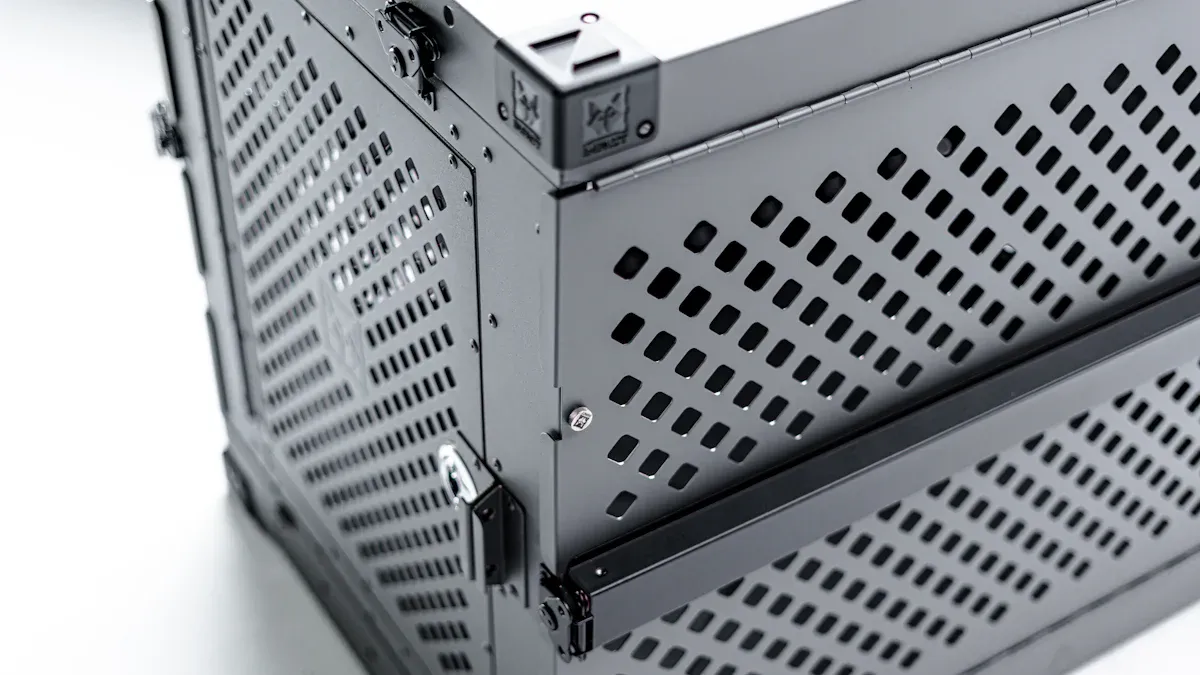
You want your coaming box to last a long time. Good materials help keep your items safe. Some boxes use ECORRCRATES, which are strong and resist water. Wooden crates work well, but the wood type matters. Plywood does not soak up much water, so it is good outside. Marine plywood stops water and fungus. OSB does not always do well with water.
Here’s a quick look at how materials compare:
Material | Water Resistance | Cushioning Properties | Longevity | Structural Integrity |
|---|---|---|---|---|
ECORRCRATES | High | Excellent | High | Strong |
Wooden Crates | Moderate | Good | Moderate | Variable |
Pick a coaming box made from treated materials. ISPM 15 heat treatment kills bugs and germs in wood crates. This keeps your shipment clean and safe. If you ship sensitive things, use airtight plastic wraps and silica gel packets. These keep things dry. Vapor-corrosion inhibitors protect metal parts from water.
Tip: Marine plywood is best for wet places. It keeps your coaming box dry and strong.
A coaming box needs smart design to keep cargo safe. Good build quality lowers the risk of damage. Eco-crates use tough recycled stuff. They can take hits and shocks. Waterproof features protect your items from rain and heat.
Coaming boxes have stacking ridges, locks, and custom sizes. These help you stack boxes and keep them closed. Some new designs have inspection panels and tamper-resistant fasteners. These make checking easy and keep your shipment safe.
Coaming boxes keep your items safe during travel.
Strong materials like plastics, metals, or composites add strength.
Stacking ridges and locks help with safety and storage.
Custom sizes fit your product better.
If you care about the planet, pick coaming boxes made from recyclable stuff. Cardboard crates lower carbon footprints and shipping costs. Right-sizing cartons means fewer trucks and less damage.
Note: How you build and treat your coaming box decides how well it protects your shipment. Always check for strong materials and smart design before you buy.
You want your crate to fit your product well. Customizing crates helps keep your things safe. It also helps you follow shipping rules. You can pick crate features that match your cargo and trip. Some crates have foam inserts for fragile items. Others have grids for shipping many things at once. Some crates come with locks for more security. Removable panels make loading and unloading easier.
Here’s a table with common customization choices:
Customization Option | Description |
|---|---|
Size and Dimensions | Change the crate to fit your product’s shape and size |
Reusability | Make the crate strong so you can use it again |
Pallet Base | Add a pallet base to move the crate more easily |
Enclosure Types | Pick different covers for extra protection |
Removable Panels | Take off panels for better access |
Collapsibility | Fold crates down to save space when not in use |
Custom crates help you save money over time. They lower the chance of damage and cut costs from returns. You can also pay less for shipping if the crate fits well. Meeting shipping rules helps you avoid delays and problems.
Tip: Custom crates are great for heavy machines, electronics, or art. They keep your things safe and make shipping simple.
You must follow rules when you ship things, especially to other countries. Many places want crates to meet ISPM 15 rules. This means wood must be heated or treated to kill bugs. Crates need a stamp to show they passed inspection. Plywood and particle board may not need treatment because of how they are made.
Requirement | Description |
|---|---|
Treatment Methods | Heat wood to 56°C for 30 minutes or treat with methyl bromide |
Compliance Mark | Stamp shows IPPC logo, country code, maker number, and treatment code |
Exemptions | Plywood, particle board, and veneer do not need treatment |
If you skip these rules, your shipment could get stopped. You might pay more or wait longer. Treated wood crates help stop bugs from spreading. Following shipping rules keeps your business safe and your cargo moving.
Sustainability is important too. Many companies want crates with special certifications. These crates use safe materials and help the planet. Checks by outside groups make sure crates meet these standards. Picking green crates helps the earth and shows you care about people.
Note: Always check shipping rules before you buy crates. Choose crates that are safe and good for the environment.
You want your shipment to get there safely. First, check if the crate is strong and built well. Make sure it can handle rain, sun, or snow. See how each crate holds heavy things and deals with chemicals. Compare polycarbonate and metal for price and strength. Always pick a crate that fits your product and shipping plans.
Try crates in real-life situations.
Look at rules and stories from other companies.
Choose materials that match your budget and future needs.
Planning and testing help you stop damage and save money. Use these steps to keep your shipment safe.
Coaming boxes give you more protection and better quality. You get stronger corners and tighter seals. Regular wooden shipping crates may not keep your items as safe. Coaming boxes also last longer and handle rough shipping better.
You should look at the crate construction. Check for strong joints, smooth surfaces, and no cracks. Ask for a sample or photos. Good quality means your items stay safe. Always ask about the materials and how the box handles weight.
Yes, you can reuse coaming boxes if they keep their quality. Clean them after each use. Inspect for damage. If the box stays strong, you save money and help the planet. Many people use coaming boxes again and again.
Pick coaming cases with foam inserts, strong locks, and thick walls. These features boost quality and keep fragile things safe. You want a box that fits your item well. Good quality stops bumps and drops from causing damage.
Quality keeps your shipment safe. If you pick low-quality boxes, your items can break or get lost. High quality means less risk, fewer returns, and happy customers. Always choose coaming boxes with top quality for every shipment.
Tip: Quality checks help you avoid problems. Always test your coaming boxes before shipping.
Feature | Why It Matters for Quality |
|---|---|
Strong corners | Stops bending and breaking |
Tight seals | Keeps water and dust out |
Good materials | Lasts longer |

